66 MINS READ
Solo Female Travel Thailand: Your Complete 2026 Guide
Post by Sophie Chen
Disclosure: This post may contain affiliate links, which means I earn a small commission at no extra cost to you if you book through my links. I only recommend services I've personally used and trust. Read More
I'll never forget stepping off the plane in Bangkok at 11 PM on a humid July night in 2022. My backpack felt impossibly heavy, I had 800 baht ($23 USD) in cash, and I'd booked exactly three nights at a hostel in Khao San Road. I was 24, traveling solo for the first time in Southeast Asia, and absolutely terrified.
Fast forward to today: I've spent seven months traveling through Thailand across four separate trips. I've navigated Bangkok's labyrinthine BTS system, eaten more pad thai than I can count, learned to confidently bargain at markets, made friends with solo travelers from 23 different countries, and fallen so deeply in love with this country that I've extended my trips multiple times.
Solo female travel in Thailand transformed me from a nervous first-timer into a confident solo traveler. And here's the truth: if you're reading this wondering whether you can do it alone, whether it's safe, or whether you'll be lonely—I promise you, Thailand is one of the absolute best countries in the world for solo female travelers.
This guide contains everything I wish I'd known before my first trip: real budget breakdowns from my personal expenses, safety advice learned through experience (including the scams I fell for), the best neighborhoods to stay in each city, cultural mistakes I made so you don't have to, and honest recommendations for where to splurge and where to save.
START HERE: First Time in Thailand Solo?
If you're short on time, here are my 3 essential Thailand tips:
- Stay in Ari neighborhood Bangkok for the first 3 nights (local vibe, easy BTS access, perfect introduction to the city)
- Get insurance BEFORE you leave—I use SafetyWing, and it costs about $7/week. [Get SafetyWing Insurance]
- Download Grab app (Thai Uber) and Maps.me offline maps before arrival—game changers for navigation
Read on for my complete Thailand solo travel guide with real prices, personal experiences, and everything you need to know.
Whether you're planning Bangkok's temples and street food, Chiang Mai's elephants and cooking classes, or Thailand's stunning islands, this guide covers everything you need for an incredible solo adventure.
Why Thailand is Perfect for Solo Female Travelers
After traveling to 15 countries solo, I can confidently say Thailand ranks in my top three for ease, affordability, and community. Here's why Thailand stands out specifically for solo female travel:
1. Incredibly Affordable on Any Budget
I've traveled Thailand on as little as $25/day (street food, hostels, local transport) and as much as $60/day (nice hotels, restaurants, tours). Both experiences were amazing. In Bangkok, I stayed at Lub d Silom for $14/night in September 2023—a modern hostel with a female-only dorm, individual power outlets, and a rooftop bar where I met half my travel friends. A delicious pad thai from a street vendor? 50 baht ($1.40). A smoothie? 40 baht ($1.10). Compare this to Europe, where hostel beds start at $30 and street food barely exists.
2. Massive Solo Female Travel Community
You will never be alone unless you want to be. At Stamps Backpackers in Chiang Mai (where I stayed in March 2024), I walked into the common area and immediately joined a group of eight solo female travelers planning a trip to Doi Suthep temple. We grabbed songthaews together, split the 200 baht ($5.60) cost, and spent the day exploring. By evening, we were at a night market together trying all the weird fruit.
The Thailand solo trip experience is inherently social because hostels here understand solo travelers. Most offer daily activities, pub crawls, cooking classes, and day trips specifically designed for people traveling alone.
3. Excellent Infrastructure and Safety
Bangkok's BTS and MRT systems are cleaner, easier, and cheaper than most Western metros. Signs are in English and Thai. Google Maps works perfectly. The Grab app (like Uber) operates everywhere and costs pennies—I took a 20-minute Grab from my hostel to Chatuchak Market for 85 baht ($2.40) in peak traffic.
Thailand has well-developed tourist infrastructure. Tourist police speak English. Hospitals are modern (I got food poisoning once, and the clinic visit cost 800 baht/$22 without insurance). WiFi is everywhere and fast.
4. Genuine Thai Friendliness
Thai people are genuinely kind and helpful. When I got lost trying to find a specific temple in Chiang Mai's old city, three different locals stopped to help me despite the language barrier. One older woman actually walked me two blocks out of her way to make sure I found it. At restaurants, servers were patient when I butchered Thai phrases and helped me order vegetarian options.
Yes, scams exist near tourist areas (more on that in the safety section), but genuine kindness far outweighs the occasional scammer.
Is Thailand Safe for Solo Female Travelers?
Let me be direct: Is Thailand safe for solo female travelers? In my experience across seven months and four trips—yes, absolutely. I've felt safer walking alone in Bangkok at night than I have in many Western cities.
For detailed safety information, including city-by-city safety ratings, scam warnings, and emergency protocols, read our complete guide: Is Thailand Safe for Solo Female Travelers?
That said, "safe" doesn't mean "risk-free." Here's my honest assessment after extensive solo time in Thailand:
My Personal Safety Experience
Across four trips to Thailand, I've:
- Walked home alone from night markets after 11 PM dozens of times (always well-lit, busy streets)
- Taken solo day trips to temples, beaches, and national parks
- Used public transportation alone at all hours
- Explored Bangkok neighborhoods from Ari to Silom to Sukhumvit alone
- Never experienced physical harassment or felt genuinely unsafe
The most common "dangers" in Thailand are minor scams and tourist traps—annoying but not dangerous.
SAFETY SPOTLIGHT: The #1 Scam I Encountered in Bangkok
The "Grand Palace is closed today" tuk-tuk scam. On my second day in Bangkok, a friendly local outside my hostel told me the Grand Palace was closed for a special ceremony and offered to take me to other beautiful temples for a "special price today only"—just 100 baht. This is a SCAM. They take you to gem shops where they get massive commissions, and you waste your whole day.
What I actually do now: I ignore anyone who approaches me near major tourist sites offering deals or advice. If I need information, I ask hotel staff or go to official tourist information booths. I verify opening hours on official websites before going.
Real safety note: In four Thailand trips, I've never felt physically unsafe. The main "dangers" are minor scams, overpriced tuk-tuks, and occasionally aggressive touts. Basic awareness and trusting your gut keep you totally fine.
For Bangkok-specific safety tips, including neighborhood safety ratings and scam warnings, read our Bangkok Safety Guide." "Chiang Mai is the safest city in Thailand. Learn why and get safety tips in our Chiang Mai guide.
Common Scams and How to Avoid Them
Tuk-tuk scams: Agree on price BEFORE getting in. When a driver quoted me 50 baht to go to Wat Pho, I confirmed twice. At the destination, he claimed 50 baht was "per person per kilometer." I paid what we agreed and walked away. Don't engage in arguments—it's not worth it.
Jet ski scams in Phuket: Rental shops claim you damaged the jet ski and demand thousands in repairs. I avoided this entirely by never renting jet skis (plenty of other water activities were available).
Overpriced taxis at airports: Use the official taxi stand at Suvarnabhumi Airport (Bangkok) or take the Airport Rail Link to downtown for 45 baht ($1.25). Never follow random people claiming to be drivers.
Practical Safety Tips That Actually Work
- Trust your gut always. If something feels off, leave. Thai culture is non-confrontational—you can politely walk away from any situation.
- Stay in well-reviewed hostels/hotels in central areas. Check Google Maps at night—if the walk home looks dark and empty, choose different accommodation.
- Keep valuables secure. I use a small crossbody bag that stays in front of me in crowded markets. My passport stays locked in hostel lockers.
- Download offline maps. Maps.me saved me countless times when I got lost and had no data.
- Share your location. I use WhatsApp location sharing with my sister back home, especially when taking late-night transport.
- Dress modestly at temples. Beyond respect, this reduces unwanted attention. I learned this after being stared at my first day in inappropriate temple clothing.
Emergency Contacts for Thailand
- Tourist Police: 1155 (English-speaking, specifically for tourists)
- General Emergency: 191
- Ambulance: 1669
- U.S. Embassy Bangkok: +66 2-205-4000
I programmed these into my phone immediately and thankfully never needed them, but peace of mind matters.
Budget Breakdown: Thailand Solo Travel Costs
One of the best parts about Thailand budget travel is how far your money goes. Here's my honest breakdown based on actual expenses from multiple trips.
Daily Budget Options: Choose Your Travel Style
My actual 6-month Thailand budget averaged $28.50/day. See the complete breakdown with daily expenses, money-saving tips, and a budget calculator in our Thailand Budget Guide: How to Travel on $25-35/Day.
Budget Backpacker ($25-30/day): Hostels, street food, local transport, free activities, occasional paid tours
Mid-Range Solo Traveler ($40-50/day): Mix of hostels and budget hotels, street food plus restaurants, Grab rides, regular paid activities
Comfortable Budget ($60-80/day): Private hotel rooms, mostly restaurants, air-con transport, all the tours and activities
I typically travel in the $30-40/day range, which gives me a perfect balance of budget consciousness and comfort.
| Budget Level | Daily Cost | Accommodation | Food | Transport | Activities |
|---|---|---|---|---|---|
| Budget Backpacker | $25-30 | Hostel dorm ($8-14) | Street food only ($6-8) | Local transport ($2-4) | Free/occasional ($2-5) |
| Mid-Range Traveler | $40-50 | Hostel/budget hotel ($14-22) | Street food + restaurants ($10-15) | BTS + Grab ($5-8) | Regular tours ($10-15) |
| Comfortable | $60-80 | Private hotel room ($25-40) | Mostly restaurants ($18-25) | Air-con transport ($8-12) | All activities ($15-20) |
MY ACTUAL 7-DAY THAILAND BUDGET (March 2024)
BANGKOK (3 days)
- Hostel: Lub d Bangkok Silom: $42 ($14/night)
- Food (street food + 1 restaurant meal daily): $30 ($10/day)
- Transport (BTS passes, Grab rides): $9
- Activities (Grand Palace $15, cooking class $10): $25
CHIANG MAI (4 days)
- Hostel: Stamps Backpackers: $40 ($10/night)
- Food (even cheaper than Bangkok!): $32 ($8/day)
- Transport (songthaews, Grab to temples): $12
- Activities (Elephant Nature Park $80, temple visits $7): $87
ADDITIONAL COSTS
- Travel Insurance (SafetyWing for 1 week): $7
TOTAL FOR 7 DAYS: $284 = $40.57/day
[Book Lub d Bangkok on Hostelworld] | [Book Elephant Nature Park via GetYourGuide]
Detailed Cost Breakdown by Category
Accommodation:
- Hostel dorm bed: 300-500 baht ($8-14/night) in Bangkok, 250-400 baht ($7-11/night) in Chiang Mai
- Budget private room: 500-800 baht ($14-22/night)
- Mid-range hotel: 800-1,500 baht ($22-42/night)
- During peak season (December-January), add 30-50% to these prices
Food:
- Street food meal: 40-80 baht ($1.10-2.25) - pad thai, fried rice, noodle soup
- Food court meal: 60-100 baht ($1.70-2.80) - more variety, air-conditioned
- Casual restaurant: 150-300 baht ($4.20-8.40) per meal
- Western food/coffee: 100-200 baht ($2.80-5.60)—only splurge occasionally
- 7-Eleven snacks/water: 20-50 baht ($0.55-1.40)
My typical food budget: $8-10/day eating mostly street food with one nicer meal every few days.
Transportation:
- BTS/MRT single journey Bangkok: 16-52 baht ($0.45-1.45) depending on distance
- Grab a ride across Bangkok: 60-150 baht ($1.70-4.20)
- Songthaew Chiang Mai: 30-40 baht ($0.85-1.10)
- Bangkok to Chiang Mai overnight bus: 600-900 baht ($17-25)
- Domestic flight: 800-2,500 baht ($22-70) if booked in advance
Activities & Tours:
- Temple entrance fees: 50-500 baht ($1.40-14) - Grand Palace is 500 baht
- Cooking class: 800-1,200 baht ($22-34)
- Day tours: 1,000-2,500 baht ($28-70)
- Massage (1 hour): 200-350 baht ($5.60-10)—do this multiple times per week!
- Muay Thai class: 400-600 baht ($11-17)
Money-Saving Tips from Experience
- Eat where locals eat. If the restaurant has English menus and photos, it's tourist-priced. I follow the crowds of Thai people.
- Stay longer, pay less. In Chiang Mai, I negotiated a monthly hostel rate of 6,000 baht ($168) vs. 10,000 baht ($280) if I paid daily.
- Travel during shoulder season (May-June, September-October). Accommodation drops 40%; fewer tourists, still great weather.
- Book overnight transport. Saves a night of accommodation. The overnight bus from Bangkok to Chiang Mai cost 700 baht ($19.50) and saved me a $12 hostel night.
- Temples are mostly free. Only major ones charge entrance. In Chiang Mai, I visited 15+ temples and paid entrance at only three.
Best Cities and Destinations for Solo Female Travelers
After extensive time in Thailand, these are my top recommendations for cities and destinations perfect for Bangkok and Chiang Mai solo female travel experiences.
Bangkok: The Perfect Starting Point
Why I love it for solo female travelers: Bangkok hits the sweet spot of big city energy with excellent solo traveler infrastructure. The BTS/MRT system makes getting around foolproof, there are hostels specifically catering to solo travelers in every neighborhood, and the sheer number of other solo travelers means you're never alone unless you want to be.
Best neighborhoods for solo female travelers:
Ari: My favorite! The local vibe, incredible street food, vintage shops, cafes, and easy BTS access make Ari a favorite among travelers. I stayed here on my third trip and felt like a Bangkok resident rather than a tourist. Safe to walk at night, younger crowd, less touristy than Khao San.
Silom: Central location, excellent night market, tons of restaurants, near Lumpini Park. Great for first-timers. This is where I stayed at Lub d and met most of my travel friends.
Sukhumvit (Thong Lo/Ekkamai areas): More upscale, great nightlife, expat-friendly, excellent restaurants. Better for 30+ solo travelers or longer stays.
Khao San Road: Love it or hate it. Super touristy and party-heavy, but incredibly social. Perfect for the 21-25 age range or if you want to party every night. I stayed here my first trip ($12/night), and it was excellent for meeting people but exhausting after three nights.
Don't miss in Bangkok:
- Grand Palace and Wat Phra Kaew (go early, 8:30 AM when it opens—avoid crowds and heat)
- Wat Pho (reclining Buddha—only 200 baht/$5.60 entrance)
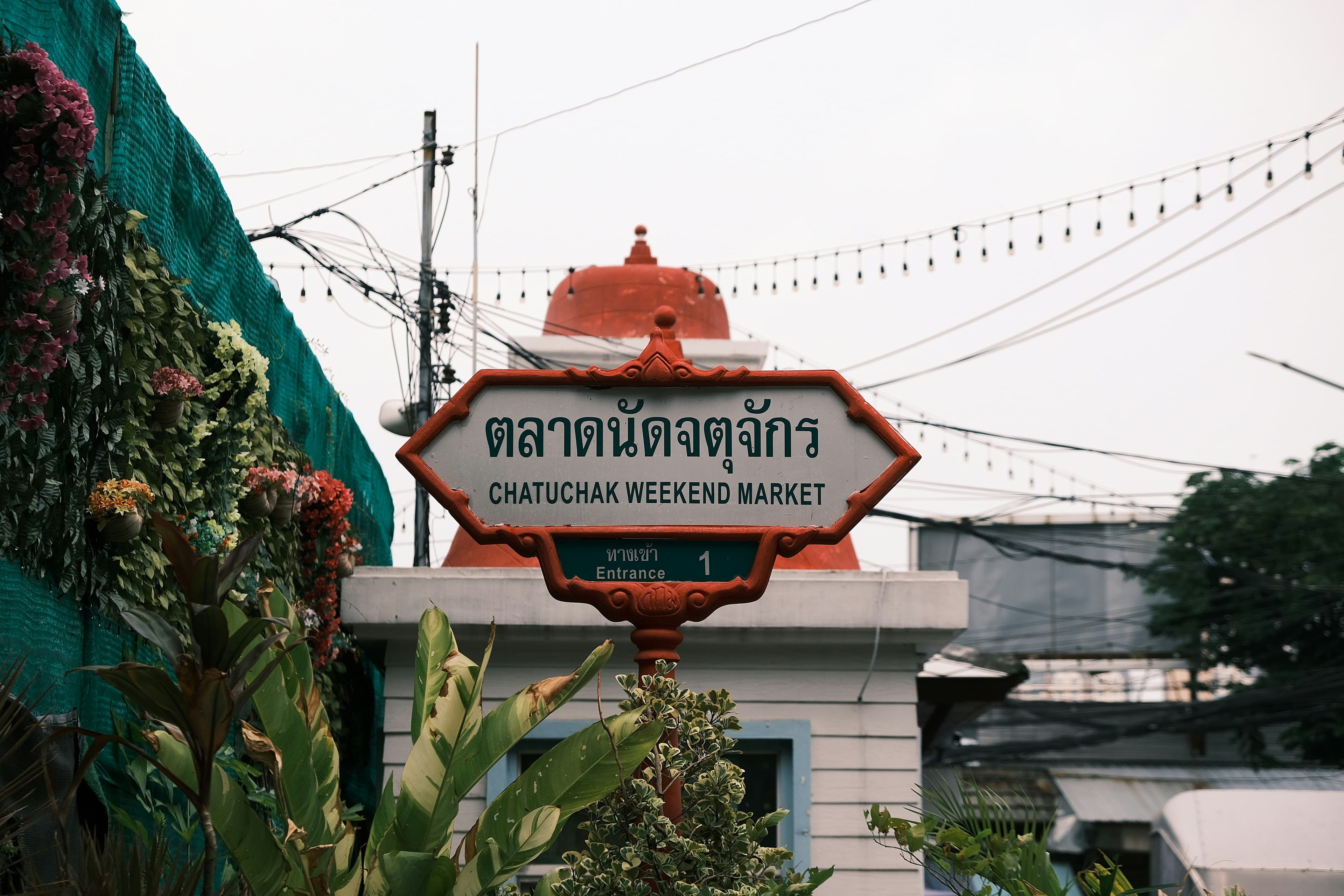
- Chatuchak Weekend Market (get lost for hours, bring cash, negotiate prices)
- Cooking class (I did one at Silom Thai Cooking School for 1,000 baht/$28—learned to make five dishes I still cook at home.)
- Rooftop bar at sunset (splurge one evening—I went to Sky Bar and spent 400 baht/$11 on one drink but the view was incredible)
Pros for Solo Travelers:
- Excellent public transport
- Massive hostel scene
- English widely spoken in tourist areas
- Endless food options
- Safe to explore alone
Cons:
- Overwhelming at first
- Traffic is intense
- Can feel impersonal
- Heat and pollution in dry season
- Tourist scams common
Recommended stay: 3-5 days first time, 5-7 days if including day trips
Chiang Mai: Digital Nomad Heaven & Solo Traveler Paradise
Why I love it: Chiang Mai feels like a small city with big city amenities. I've spent more time here than anywhere else in Thailand (about 3 months total across multiple trips). It's incredibly easy to make friends, the cost of living is even lower than in Bangkok, nature is accessible, and the digital nomad community means excellent WiFi and coworking spaces everywhere.
Chiang Mai is an ideal destination for solo female travelers, particularly those in their late 20s-30s who are engaged in remote work or taking extended breaks. I made some of my best Thailand friends here, including two other solo female travelers I'm still in touch with two years later.
Best areas to stay:
Old City: Where I always stay. Surrounded by ancient walls and moats, walkable to temples, tons of hostels and restaurants. Stamps Backpackers (where I stayed) is here—$10/night, social atmosphere, organized group activities daily.
Nimman: Trendier, more cafes and boutiques, younger crowd, slightly more expensive. Great if you're working remotely.
Don't miss in Chiang Mai:
- Elephant Nature Park (see my "Worth the Splurge" section—truly life-changing)
- Doi Suthep temple (take a songthaew up for 40 baht/$1.10; go for sunset)
- Sunday Walking Street Market (every Sunday 5-11 PM, incredible energy)
- Thai massage (get one every other day for $6—your body will thank you)
- Cooking class at organic farm (I did Mama Noi's—800 baht/$22, picked vegetables from the garden)
Pros for Solo Travelers:
- Super social and easy to meet people
- Even cheaper than Bangkok
- Walkable and bike-friendly
- Nature access (mountains, waterfalls)
- Long-term stay friendly
Cons:
- Burning season Feb-April (poor air quality)
- Can feel touristy in Old City
- Less nightlife than Bangkok
- Cooler in winter (bring layers)
Recommended stay: Minimum 5 days, but I recommend 7-14 days or even a month. Many solo travelers extend here.
Islands: Which Ones for Solo Female Travelers?
Thailand's islands are stunning, but choosing the right one matters for solo travelers. Here's my honest take:
Ko Tao: My top pick for solo female island travel. Small island, excellent for scuba diving (got my Open Water here for $350), super social hostel scene, safe, easy to navigate on foot. I stayed at Koh Tao Backpackers for $11/night and met incredible people. Perfect for mid-20s travelers.
Ko Pha Ngan: Famous for the Full Moon Party (which I attended—wild but fun if that's your scene). The northern parts of the island are quieter and beautiful. The northern parts of the island exude a more hippie/yoga vibe. Solo travelers congregate at certain hostels (Slumber Party Backpackers is social).
Ko Samui: More developed, less backpacker-focused, and excellent if you want a more comfortable island experience. I stayed here for four days and, while beautiful, felt less connected to other travelers. Better for 30+ or if you want relaxation over socializing.
Phuket: Most developed Thai island. Patong Beach is party central but feels overly touristy. I spent two days here, and while convenient (international airport), it's not where Thailand magic happens. If you go, stay in the Kata or Karon areas instead of Patong.
Railay Beach (Krabi): Not technically an island but accessible only by boat. Stunning limestone cliffs, rock climbing, small area. I loved it here, but it's pricier and couples-oriented. Better as a 2-3 day add-on rather than the main island destination.
My island recommendations for first-timers: Ko Tao for diving/social scene, Ko Pha Ngan if you're there during the Full Moon (but stay in the north), and skip Phuket unless you need the airport convenience.
Pai: The Hippie Mountain Town
Pai is a tiny mountain town 3 hours north of Chiang Mai (135 kilometers but 762 curves—yes, I counted on my motion sickness medication). It's backpacker heaven: reggae bars, organic cafes, waterfalls, rice paddies, and an incredibly laid-back vibe.
Why solo female travelers love Pai: Ultra social atmosphere, everyone talks to everyone, lots of long-term travelers, motorcycle culture (rent one for 150 baht/$4/day), beautiful nature, and the cheapest Thailand prices I've seen.
I initially planned three days and stayed eight. The energy is magnetic. BUT—Pai isn't for everyone. If you want structure, activities, and sightseeing, stick with Chiang Mai. Pai is for slowing down, making friends, and embracing uncertainty.
Recommended stay: 3-7 days. Any longer and you might never leave.
Where to Stay in Thailand (Solo Female Accommodation Guide)
Accommodation can make or break your solo travel experience. After staying in 20+ hostels and hotels across Thailand, here's my comprehensive guide.
I stayed in hostels across Bangkok, Chiang Mai, and the islands. See my honest reviews and booking strategies in the Best Hostels in Thailand guide.
MY TOP PICK FOR BANGKOK: Lub d Bangkok Silom
I've stayed at Lub d Bangkok Silom three times now, and I'll keep going back. Here's why it's perfect for Bangkok solo female travelers:
- Female-only dorms with individual power outlets and reading lights (many hostels just have one outlet per room)
- Rooftop bar where I met most of my Thailand friends—hostel organizes social events every evening
- Perfect location near Silom BTS station (two stops from Siam, main shopping area)
- Super clean with daily housekeeping, modern facilities, good WiFi
- Security lockers in every room (bring your own lock)
- 24-hour staff who speak excellent English and genuinely help with recommendations
I paid $14/night in September 2023 (shoulder season) and $23/night during December peak season. Both times it was worth every baht.
Book Lub d Bangkok on Hostelworld
Best Hostels in Thailand for Solo Female Travelers
I've stayed in 15+ Thailand hostels and tested them all. See my honest reviews, booking tips, and top picks in the Best Hostels in Thailand guide.
Bangkok:
- Lub d Bangkok Silom ($14-23/night)—My top pick, explained above
- NapPark Hostel @ Khao San ($11-15/night)—If you want a Khao San location with quality. Female dorms, rooftop area, social but quieter than party hostels
- Bodega Phra Arthit ($13-18/night)—Near Khao San but in a quieter neighborhood, excellent breakfast, boutique feel
Bangkok is perfect for first-timers with excellent transport, amazing street food, and iconic temples. Get the complete neighborhood guide, safety tips, and 3-7 day itineraries in our Bangkok Solo Female Travel Guide.
Chiang Mai:
- Stamps Backpackers ($10-12/night)—Where I always stay in Chiang Mai. Old City location, daily group activities (temple visits, cooking together), female dorms, incredibly social. Made lifelong friends here.
- Hug Hostel ($9-13/night) - More quiet, cozy vibe. Perfect if you're working remotely but still want community.
- Deejai Backpackers ($11-14/night) - Pool, bar, young crowd (22-28), party atmosphere but not crazy
Chiang Mai captured my heart with its slow pace and community feel. Discover where to stay, the best activities, and why it's perfect for digital nomads in our Chiang Mai Solo Female Travel Guide.
Islands (Ko Tao):
- Koh Tao Backpackers ($11-15/night) - Social, dive school attached, beach location, organized activities daily
Choosing the right Thai island is crucial - each has a completely different vibe. Compare Koh Tao (diving), Koh Phangan (Full Moon Party), Railay (rock climbing), and more in our Best Thai Islands for Solo Female Travelers guide.
Budget Hotels for Solo Travelers ($15-30/night)
Sometimes you want your own room. Here are my budget hotel recommendations:
Bangkok:
- The Tint at Ratchathewi ($22-28/night) - Small rooms but modern, excellent location near BTS, good WiFi, safe area
- Oneday Hostel ($18-25/night for private) - More upscale hostel with private rooms, stylish, in the Sukhumvit area
Chiang Mai:
- BED Chiangmai Gate ($20-26/night) - Boutique budget hotel, excellent breakfast, near Old City walls
- Villa Duangkamol ($15-20/night) - Guesthouse vibe, quiet, pool, slightly outside Old City
Long-Term Accommodation in Chiang Mai
Staying a month? Negotiate directly with hostels or look for apartments:
- Monthly hostel rates: I paid 6,000 baht ($168/month) at Stamps Backpackers for a monthly bed
- Studio apartments in Nimman: 8,000-12,000 baht ($224-336/month) for basic studios with kitchenette
- Facebook groups "Chiang Mai Digital Nomads" and "Chiang Mai Expats and Friends" post rental listings
Accommodation Safety Tips
- Read reviews specifically from solo female travelers on Hostelworld—they'll mention safety concerns
- Check the walk home on Google Maps at night using Street View—is it well-lit and busy?
- Always use hostel lockers for valuables. Bring a small padlock from home ($8) or buy one at 7-Eleven (80 baht/$2.25)
- Female dorms are worth it even if slightly more expensive—better sleep, less noise, no weird interactions
- Ground floor rooms near exits feel safer to some solo travelers. I always request upper floors away from street noise
- Book the first 2-3 nights only, then extend or move. Don't commit to a week somewhere sight unseen
Transportation Guide for Solo Female Travelers
For detailed Bangkok transport tips, including how to use the BTS, scam warnings, and Grab strategies, see our Bangkok travel guide.
Getting around Thailand solo is remarkably easy once you know the systems. Here's everything I've learned:
Bangkok Public Transportation (Your Best Friend)
BTS Skytrain & MRT Subway:
- How to use: Buy single-journey tickets from machines (English option), or get a Rabbit Card (rechargeable, 100 baht deposit + credit). I always get a Rabbit Card for stays longer than two days—it saves so much time.
- Cost: 16-52 baht ($0.45-1.45) per journey depending on distance. My average daily transport in Bangkok: 100-150 baht ($2.80-4.20)
- Operating hours: 6 AM-midnight. This is important—plan your evenings accordingly or budget for Grab rides home
- Coverage: BTS covers Silom, Sukhumvit, Ari, and shopping areas. MRT covers the old city, Chinatown, and train stations. Between them, you can reach most places tourists need
Pro tip: Download the "Explore Bangkok" app for route planning. It works offline and shows you exact interchange instructions.
Grab: Your Solo Travel Safety Net
Grab (Southeast Asia's Uber) is essential for solo female travelers in Thailand. Download it before you arrive.
Why I love Grab:
- Price is set upfront—no bargaining or scams
- Driver details and license plate shown before they arrive
- GPS tracking—you can share your trip with friends
- Cashless payment or cash—your choice
- English interface
Real costs from my experience:
- Hostel in Silom to Grand Palace: 85 baht ($2.40)
- Suvarnabhumi Airport to Ari neighborhood: 320 baht ($9) in traffic
- Across Chiang Mai Old City: 60-90 baht ($1.70-2.50)
I use Grab late at night, when carrying luggage, when going to addresses without BTS access, or when I'm exhausted and just want door-to-door service.
Tuk-Tuks and Taxis: Handle With Awareness
Regular taxis: Insist the driver uses the meter ("meter, please"). If they refuse, find another taxi. Meter starts at 35 baht and increases slowly. From my experience, meter rides are always cheaper than negotiated prices.
Tuk-tuks: Fun for the experience but often overpriced. For a 10-minute ride, locals pay 60-80 baht. Tourists get quoted 200-300 baht. I negotiate to 100 baht max or just take Grab. Tuk-tuks are better for short trips in traffic, where their maneuverability helps.
Airport transportation:
- Suvarnabhumi Airport (Bangkok): Take the Airport Rail Link to the city center—45 baht ($1.25), 30 minutes. Or use the official taxi stand on Level 1 (50 baht airport fee + meter + tolls = ~350-450 baht/$10-13 to central Bangkok). Grab costs about the same but is more convenient with luggage.
- Don Mueang Airport (budget airlines): Further from the city. Train + bus combo is cheap but complex. I just take Grab (250-350 baht/$7-10 to the center) after a long flight.
Long-Distance Transportation
Overnight buses: My go-to for routes like Bangkok to Chiang Mai (9-11 hours, 600-900 baht/$17-25). Book VIP or first-class buses for better seats. I use the 12Go Asia website to book in advance—it shows all options and user reviews. The overnight bus saves a night's accommodation, and you wake up in a new city.
Trains: Slower but more comfortable for overnight travel. The Bangkok to Chiang Mai sleeper train (second-class sleeper) costs 800-1,000 baht ($22-28) and takes 11-13 hours. I did this route once and loved it—a nostalgic experience, meeting interesting travelers. Book through the official railway website or at train stations (slight markup from third-party sites).
Domestic flights: Surprisingly cheap if booked in advance. Bangkok to Chiang Mai on AirAsia: 800-2,500 baht ($22-70) depending on season and booking time. I always fly the Bangkok-Phuket or Bangkok-Ko Samui routes because buses take 12–14 hours. Check AirAsia, Nok Air, and Thai Lion Air.
Ferries to islands: Book through 12Go Asia or at ferry piers. Bangkok to Ko Tao typically requires a bus and ferry combo (takes all day). I took the overnight bus to Chumphon, then the ferry—total 1,100 baht ($31). Plan these carefully, as ferry schedules depend on weather.
[Book Transportation on 12Go Asia]
Motorbike Rental: Proceed with Extreme Caution
Let me be direct: Thailand has high motorcycle accident rates, many tourists get seriously injured, and insurance often doesn't cover motorcycle accidents.
My honest experience: I rented a scooter in Pai (flat roads, minimal traffic) and loved the freedom. Would I rent one in Chiang Mai or Bangkok? Absolutely not. The traffic is aggressive, roads are chaotic, and one accident could end your trip.
If you decide to rent:
- Get proper motorcycle insurance—not just the basic rental shop coverage
- Always wear a helmet (mandatory, 500 baht fine if caught without)
- Have valid International Driving Permit with motorcycle endorsement
- Start in low-traffic areas (Pai, Ko Tao, quiet parts of Chiang Mai)
- Never rent in Bangkok—it's genuinely dangerous
Cheaper and safer alternatives: Rent a bicycle in Chiang Mai Old City (50 baht/$1.40 per day) or use songthaews (red trucks that work as shared taxis—30-40 baht per ride).
Thai Food Guide for Solo Travelers
Thai food is one of the absolute highlights of traveling through Thailand. Here's everything I learned about eating solo on a budget.
Bangkok has the best street food in Thailand. Learn where to eat, what to try, and food safety tips in our Bangkok guide.
Street Food: Your Daily Budget Lifesaver
Street food in Thailand is safe, delicious, and incredibly cheap. Look for busy stalls with high turnover—food is fresh and locals are eating there.
My favorite street food dishes:
- Pad Thai (ผัดไทย) - 40-60 baht ($1.10-1.70): The dish consists of stir-fried rice noodles accompanied by egg, tofu, shrimp, peanuts, and lime. Order "mai pet" (not spicy) if you can't handle heat
- Khao Pad (ข้าวผัด)—40-50 baht ($1.10-1.40): Fried rice with vegetables and your choice of protein. Super filling
- Som Tam (ส้มตำ) - 30-40 baht ($0.85-1.10): Spicy papaya salad. Ask for "mai sai poo" (no crab) if you're vegetarian. This is SPICY even when you say mild
- Pad See Ew (ผัดซีอิ๊ว) - 50-60 baht ($1.40-1.70): Wide rice noodles with soy sauce, Chinese broccoli, egg
- Tom Yum Soup (ต้มยำ) - 60-80 baht ($1.70-2.25): Hot and sour soup with lemongrass, lime, chili
- Mango Sticky Rice (ข้าวเหนียวมะม่วง) - 60-80 baht ($1.70-2.25): Sweet sticky rice with fresh mango and coconut cream—heaven in a plastic container
How to Order When You Don't Speak Thai
This was my biggest anxiety before coming to Thailand. Here's what actually works:
- Point at what others are eating. Seriously. I do this constantly. Point, smile, say "same same" (Thais understand this), and hold up fingers for quantity
- Use Google Translate's camera feature to translate menu boards. Works surprisingly well
- Download a Thai food app with pictures. I use "Thai Food Guide," which shows pictures and Thai script
- Learn these key phrases:
- "Mai pet" (ไม่เผ็ด) = not spicy
- "Kin jay" (กินเจ) = vegetarian/vegan
- "Mai sai nam pla" (ไม่ใส่น้ำปลา) = no fish sauce
- "Aroy mak" (อร่อยมาก) = delicious! (say this enthusiastically—vendors love it.)
When it comes to spice levels, Thai "mild" corresponds to Western "medium." "Thai "medium" is Western "extremely spicy." I learned this the hard way with a som tam that made me cry in a market. Now I always say "mai pet" (not spicy) and add chili myself if needed.
Food Courts: Air-Conditioned Budget Heaven
Food courts in Bangkok malls (MBK Center, Terminal 21, Central World) are perfect for solo travelers. Here's how they work:
- Buy a prepaid card at the counter (load 100-200 baht)
- Browse all the stalls and choose what looks good
- Show your card, they deduct the cost
- Get refund for remaining balance when done
Meals cost 60-100 baht ($1.70-2.80), you eat in air-conditioning, bathrooms are clean, and you can see all the food before ordering. I eat at food courts 2-3 times per week when I need a break from street stalls.
Restaurant Recommendations for Solo Diners
Sometimes you want to sit down at a nice restaurant. Thai restaurants are extremely solo-diner friendly—no one thinks it's weird to eat alone.
Bangkok:
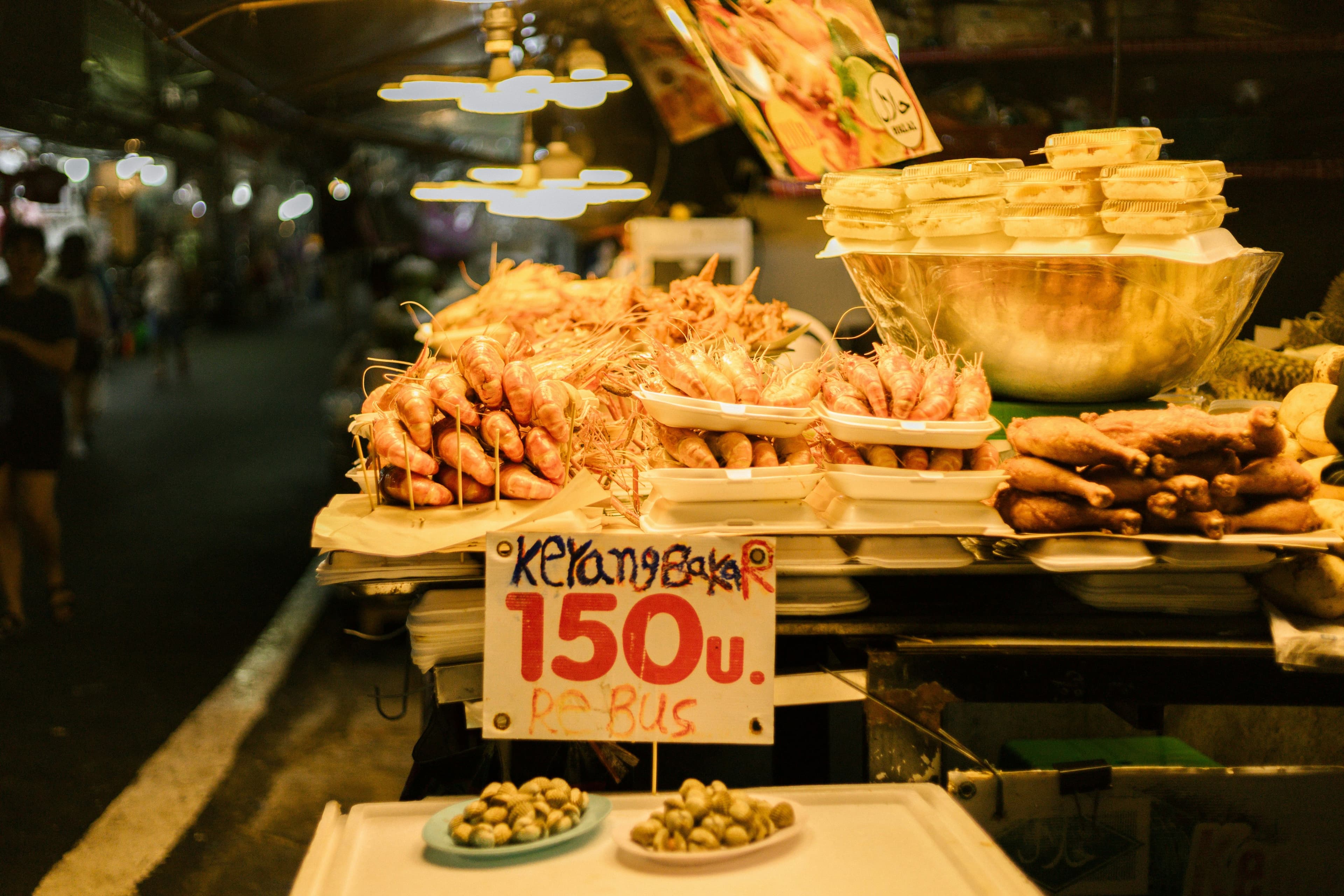
- Jay Fai offers Michelin-starred street food (yes, really). I waited 90 minutes for a crab omelet (350 baht/$10). Worth it once for the experience
- Thip Samai—Famous pad thai, open late, always packed. 90 baht ($2.50) for excellent pad thai
- Krua Apsorn—Where locals go for authentic Thai food near Democracy Monument. 150-200 baht ($4.20-5.60) per dish
Chiang Mai:
- Huen Phen—Two restaurants (one day, one night) with authentic Northern Thai food. Khao soi is 70 baht ($2)
- Tong Tem Toh—Packed with locals every night. Incredible variety, nothing over 100 baht
Dietary Restrictions in Thailand
Vegetarian/Vegan: Thailand is relatively easy for vegetarians. Look for "Jay" (เจ) signs—these are vegan restaurants. Say "kin jay" (I eat vegetarian). Challenge: many dishes contain fish sauce or shrimp paste. Say "mai sai nam pla" (no fish sauce) if strictly vegetarian.
Food allergies: Google Translate allergies into Thai and show vendors on your phone. Thai people are generally accommodating.
Food Safety Tips
- Eat where it's busy. High turnover = fresh ingredients
- Watch the cooking process. If food sits pre-cooked for hours, skip it
- Avoid ice in street drinks? Controversial take— I've drunk ice everywhere for seven months with zero issues. Ice in Thailand comes from factories and is safe. The "no ice" rule is outdated
- Fruit from vendors: Totally safe. They peel it fresh in front of you
- I still got food poisoning once in four trips. It happens. I ate something at a quiet tourist restaurant (mistake), felt awful for 24 hours, took Imodium, and recovered. It's part of travel. Don't let fear stop you from eating amazing food
7-Eleven: Your Emergency Food Source
7-Eleven stores are EVERYWHERE in Thailand (I once counted six on a single Bangkok block). They're clean, air-conditioned, and perfect for:
- Bottled water (10-15 baht/$0.28-0.42)
- Snacks, fruit, sandwiches
- Instant noodles (you can use their hot water)
- Late-night food when everything else is closed
- Using the bathroom (most have clean toilets)
- Withdrawing cash (ATMs inside)
Cultural Etiquette and What to Know
Understanding Thai cultural norms made my experience so much richer and prevented embarrassing situations. Here's what matters:
Temple Etiquette (This is Critical)
Temples are sacred spaces in Thailand. Dress and behavior rules are strict:
Dress code requirements:
- Shoulders covered (no tank tops, no off-shoulder shirts)
- Knees covered (no shorts, no short skirts)
- No see-through clothing
- Remove shoes before entering buildings
DON'T MAKE MY MISTAKE: Temple Clothing Disaster
I visited temples in Bangkok wearing shorts and a tank top my first day because I didn't research dress codes. I was turned away from three temples and had to buy an overpriced sarong from a vendor outside Wat Pho for 700 baht ($20) instead of 100 baht ($3) at a regular market.
The embarrassment of being turned away while other tourists walked in properly dressed was awful. One temple guard literally laughed at me.
Lesson learned: Pack lightweight pants (I love my yoga pants—breathable, quick-drying, and small-folding) and a scarf BEFORE you arrive. You'll need them for ALL major temples. Save yourself money, embarrassment, and frustration.
My current temple outfit: Lightweight linen pants, a fitted t-shirt, and a scarf in my bag for covering shoulders if needed. Comfortable, respectful, and looks good in photos.
[Temple-Appropriate Clothing on Amazon]
Inside temples:
- Sit with feet tucked under you or to the side—never point feet toward Buddha statues (feet are considered lowest, dirtiest part of the body).
- Don't touch Buddha images
- Don't point—use an open palm to gesture
- Speak quietly
- Women cannot touch monks or hand items directly to them (place item down for monk to pick up)
- Photography is usually allowed but no selfies with Buddha statues (disrespectful)
The Wai Greeting (และไหว้)
The wai is the traditional Thai greeting—palms together at the chest in a prayer position, with a slight bow. Complicated etiquette rules exist about when and how to wai, but here's what I actually do:
- Wai back if someone waves to you (match their level and bow depth)
- Don't waive at service staff, taxi drivers, or vendors (they're working—a smile and "thank you" is appropriate)
- Do wai monks, elders, at temples
- When unsure, smile! Thai culture values smiles over perfect etiquette
Honestly, as a foreigner, Thais don't expect you to know all the wai rules. I've messed it up countless times, and everyone just smiles. Effort matters more than perfection.
The Royal Family
This is extremely important: Thailand has lèse-majesté laws making it illegal to insult or criticize the royal family. Penalties are serious—years in prison.
What this means for you:
- Never make jokes or comments about Thai royalty, even in private
- Stand respectfully during the royal anthem (played before movies in cinemas and daily at 8 AM and 6 PM in public places)
- Don't step on Thai currency (has King's image) or treat it disrespectfully
- Avoid political discussions about Thai monarchy
I watch what Thais do and follow their lead. When the royal anthem plays before a movie, everyone stands—so I stand.
Body Language and Physical Contact
- The head is the most sacred body part. Never touch someone's head (including children)
- Feet: The Most unclean body part. Never point feet at people, Buddha images, or monks. Don't step over people sitting on the floor.
- Public affection: Hand-holding is okay; kissing/hugging is frowned upon (though Bangkok is more lenient)
- Pointing: Use open palm, not pointing finger
- Touching monks: Women cannot touch monks at all. If giving offerings, place them down for monk to pick up
| English | Thai (Phonetic) | Thai Script | When to Use |
|---|---|---|---|
| Hello/Goodbye | Sawadee ka (female) | สวัสดีค่ะ | Greeting anyone |
| Thank you | Khop khun ka | ขอบคุณค่ะ | After any service |
| How much? | Thao rai? | เท่าไหร่ | Markets, bargaining |
| Not spicy | Mai pet | ไม่เผ็ด | Ordering food |
| Delicious! | Aroy mak! | อร่อยมาก | Compliment to vendors |
| No fish sauce | Mai sai nam pla | ไม่ใส่น้ำปลา | Vegetarian orders |
| I eat vegetarian | Kin jay | กินเจ | Restaurants |
| Too expensive | Paeng pai | แพงไป | Polite bargaining |
| Bathroom? | Hong nam yoo tee nai? | ห้องน้ำอยู่ที่ไหน | Finding restrooms |
| Help! | Chuay duay! | ช่วยด้วย | Emergency only |
Removing Shoes
You'll remove your shoes constantly in Thailand:
- All temples
- Many shops and small businesses
- Massage parlors
- Some restaurants
- People's homes
Look for shoe racks outside or notice if other people are barefoot. When in doubt, ask "shoes okay?" or watch what locals do. I wear slip-on shoes to make this easier and carry socks for temple floors that get burning hot.
Bargaining Etiquette
Markets expect bargaining; regular stores don't. Here's what I learned:
Where to bargain: Markets (Chatuchak, night markets, street vendors), tuk-tuks, some guesthouses for long-term stays
Where NOT to bargain: Regular stores, malls, restaurants, 7-Elevens, hotels
How I bargain:
- Ask the price, act slightly surprised, counter at 40-50% of asking price
- Stay friendly and smile—never aggressive
- Be willing to walk away (they often call you back with a better price)
- If you agree on a price, commit to buying—changing your mind is rude
- Remember you're bargaining over dollars—don't be miserly over 20 baht ($0.55) if it's fair
At Chatuchak Market, I bargained a shirt from 400 baht down to 250 baht ($7) by being friendly, speaking a few Thai words, and starting to walk away. The vendor and I both smiled the whole time—it's part of the fun.
Smiling Culture
Thailand is called "Land of Smiles" for a reason. Smiling defuses tension, shows respect, and keeps interactions positive. I smile constantly here—at vendors, other travelers, people who help with directions, tuk-tuk drivers, and monks. It's returned 99% of the time and makes daily life so pleasant.
Best Time to Visit Thailand
Thailand has three main seasons, and timing significantly impacts your experience and budget.
Month-by-Month Weather Breakdown
Cool/Dry Season (November-February): Peak Season
- Weather: Perfect—low humidity, temperatures 75-85°F (24-29°C), minimal rain
- Pros: Best weather for sightseeing, comfortable, festivals (Loy Krathong in November, Christmas/New Year celebrations)
- Cons: Most expensive (accommodation up 40-60%), most crowded, book everything in advance
- My experience: Visited in December 2023. Weather was gorgeous, but Bangkok hostels cost $23/night vs. $14 in September. Every major site was packed. Worth it for first-timers
Hot Season (March-May): Shoulder/Low Season
- Weather: Extremely hot—95-105°F (35-40°C), very dry except when April-May rain starts
- Pros: Cheaper accommodation, fewer tourists, Songkran Festival (April 13-15)—massive water fight celebrating Thai New Year
- Cons: Oppressive heat; burning season in North (Feb-April) causes poor air quality, making it uncomfortable for extensive outdoor activities
- My experience: I Was in Chiang Mai in April 2024. The heat was intense—I stayed indoors midday and explored early mornings and evenings. Air quality was problematic (AQI over 150 some days). Bangkok was more tolerable. Budget-friendly, though!
Rainy/Monsoon Season (June-October): Low Season
- Weather: Hot and humid with afternoon/evening rain showers, temperatures 80-90°F (27-32°C)
- Pros: Cheapest prices (accommodation 30-50% less), fewer tourists, countryside is lush and green, rain is usually short bursts
- Cons: Some islands/beaches affected by rough seas, occasional flooding, some island resorts close, higher humidity
- My experience: Spent July-August 2022 traveling Thailand. Rain was predictable—usually 2-3 PM for 1-2 hours. I planned indoor activities (temples, museums, malls) during rain and explored other times. Got caught in downpours a few times, but it was actually refreshing. Excellent time for budget travelers
| Season | Months | Weather | Prices | Crowds | Best For |
|---|---|---|---|---|---|
| Cool/Dry (Peak) | Nov-Feb | 75-85°F, Perfect | Highest (+40-60%) | Very crowded | First-timers, festivals |
| Hot (Shoulder) | Mar-May | 95-105°F, Dry | Medium | Moderate | Songkran, budget travel |
| Rainy (Low) | Jun-Oct | 80-90°F, Afternoon showers | Lowest (-30-50%) | Few tourists | Budget travelers, lush scenery |
My Honest Recommendation by Travel Style
First-time solo female travelers: November-January (peak season). Yes, it's expensive, but perfect weather and maximum safety infrastructure matters more for your first solo trip
Budget-focused travelers: June-September (monsoon season) or May. Rain isn't bad enough to ruin trips, prices drop significantly, fewer crowds mean better hostel experiences
Digital nomads/long-term travelers: Avoid only March-April in Northern Thailand (burning season air quality is genuinely bad). Otherwise any time works
Beach-focused trips: November-March for all islands; avoid May-October for Andaman Coast (Phuket, Krabi); avoid September-December for Gulf Coast (Ko Samui, Ko Pha Ngan, Ko Tao)
Major Festivals Worth Timing Your Trip Around
Songkran (April 13-15): Thai New Year water festival. Entire country has massive water fights—bring waterproof bags for electronics, and embrace the chaos. Chiang Mai is THE place for Songkran. I experienced it in 2024 and it was wild—soaked for three days straight, laughing constantly. Book accommodation months in advance.
Loy Krathong (November, full moon): A Lantern festival where people release floating baskets on water and sky lanterns into the air. Magical, especially in Chiang Mai. In 2023 I watched thousands of lanterns light up the sky—genuinely one of the most beautiful experiences of my life. Book Chiang Mai accommodation 2-3 months ahead.
Full Moon Party (monthly, Ko Pha Ngan): Legendary beach party—20,000+ people, fire shows, and beach dancing until sunrise. Go if you're 21-30 and want to party. I went once, had fun, and never needed to go again. Book accommodation a week in advance.
What to Pack for Solo Female Travel in Thailand
Don't overpack! Learn from my mistakes and pack light with our Complete Thailand Packing List.
After four trips with varying success in packing, here's what actually matters:
Essential Clothing
Temple-appropriate clothing (MANDATORY):
- 2-3 lightweight pants/long skirts (I live in my linen pants and yoga pants)
- Large scarf or shawl (covers shoulders, used as blanket on cold buses, beach cover-up)
- T-shirts that cover shoulders (no tanks for temples)
Daily wear:
- Breathable, quick-dry fabrics only—humidity is real
- Tank tops and shorts for hostels/casual (just not temples)
- One "nice" outfit for rooftop bars or fancier restaurants
- Swimsuit (obviously)
- Flip-flops/sandals (you'll remove shoes constantly—make it easy)
- One pair comfortable walking shoes
What NOT to bring: Jeans (too hot), heavy jackets (unnecessary even in "cool" season in North), more than one week's clothes (you'll do laundry—it costs 40 baht/$1.10 per kilo)
I perfected my Thailand packing list over 3 trips, going from an overstuffed 65L backpack to a streamlined 40L carry-on. Get the complete packing list with product recommendations and temple outfit tips in our What to Pack for Thailand guide.
Monsoon Season Gear
- Lightweight rain jacket or poncho
- Waterproof phone case
- Dry bag for electronics
Honestly, I often just accept getting wet—it's warm and dries quickly. Umbrellas work too but are annoying to carry.
Thailand-Specific Essentials
- Small backpack/daypack: For daily exploration—temples, markets, day trips
- Crossbody bag: For nights out—keeps valuables secure in crowded areas
- Power adapter: Thailand uses Type A, B, and C sockets (same as the US). I bring universal adapter for future travel
- Padlock: For hostel lockers—bring 1-2 small combination locks from home
- Microfiber towel: Hostels provide towels but travel towel useful for beaches and spontaneous swimming
- Reusable water bottle: Tap water isn't drinkable, but there are filtered water stations everywhere. I use a bottle with built-in filter
- Headlamp or small flashlight: For overnight buses, late-night hostel arrivals, finding things in dark dorm rooms
Toiletries and Health
Bring from home:
- Prescription medications with original packaging
- Birth control (if applicable)—may be hard to find specific brands
- Favorite feminine products (pads/tampons available but your brand might not be)
- Sunscreen (expensive in Thailand—SPF 50+, reef-safe if going to islands)
Buy in Thailand (cheaper):
- Shampoo, conditioner, body wash (buy at 7-Eleven or Boots)
- Bug spray (Thailand versions work better for Thai bugs)
- Basic medications (pharmacies everywhere, over-the-counter rules more relaxed)
- Aloe vera gel (for inevitable sunburn)
Electronics
- Phone with good camera (you'll take thousands of photos)
- Power bank (essential—you'll use Google Maps constantly)
- Multiple charging cables (I always lose one)
- Headphones/earbuds (for overnight buses, flights, hostel common areas)
- Optional: E-reader or tablet for beaches and long journeys
Medications and First Aid
Basic first aid kit:
- Imodium (for inevitable digestive issues—trust me, bring this)
- Antihistamine for allergies
- Pain relievers (ibuprofen, paracetamol)
- Band-aids and antibiotic ointment
- Motion sickness medication (those 762 curves to Pai are real)
- Electrolyte packets (for food poisoning recovery or hot day dehydration)
Thai pharmacies are excellent and cheap—I got antibiotics for food poisoning for 120 baht ($3.35). But bring basics for the first few days.
Important Documents
- Passport (minimum 6 months validity)
- Passport photos (2-3 extra for visa extensions if staying 30+ days)
- Travel insurance details printed and saved on phone
- Copies of passport stored separately
- Digital backup of all documents in cloud storage
- Credit/debit cards (notify bank of travel dates)
What I Wish I'd Brought But Didn't
- Better sunglasses (lost mine week one; Thai replacements were poor quality)
- Book of Thai phrases (Google Translate needs data/WiFi; physical book always accessible)
- Small carabiner clips (for attaching things to a backpack and hanging wet clothes)
- Ziplock bags in various sizes (protecting electronics from rain, organizing small items)

Sample 7-Day Thailand Itinerary for Solo Female Travelers
This is the itinerary I recommend to every first-time solo female traveler asking for advice. It balances city exploration, cultural experiences, and social opportunities while staying budget-friendly.
Day 1: Arrive Bangkok—Ari Neighborhood Introduction
Morning/Afternoon: Arrive Suvarnabhumi Airport → Take Airport Rail Link to city (45 baht) → Check into hostel in Ari neighborhood (Lub d Ari or similar, ~$15/night)
Evening: Explore the Ari area on foot—browse vintage shops, stop at hipster cafes, and get dinner at street food stalls. Join the hostel's welcome drink/dinner if offered. Early night to combat jet lag.
Budget: Accommodation $15 | Food $8 | Transport $3 | Total: $26
Day 2: Bangkok Temple Tour & Grand Palace
Morning: Wake early, dress appropriately (covered shoulders/knees!), and take BTS to Saphan Taksin → River taxi to Grand Palace (arrive at 8:30 AM opening to beat crowds). Spend 2-3 hours. Entrance is 500 baht ($14).
Afternoon: Walk to nearby Wat Pho (reclining Buddha)—200 baht ($5.60). Quick lunch at street stalls near temples. Take Grab to the Asiatique riverfront market or return to the hostel to rest during the hottest hours.
Evening: Rooftop bar for sunset (budget 400 baht/$11 for one drink—worth it), or join a hostel-organized pub crawl to meet other travelers.
Budget: Accommodation $15 | Food $12 | Transport $5 | Activities $20 | Optional rooftop $11 | Total: $52-63
Day 3: Bangkok - Chatuchak Market & Thai Cooking Class
Morning: Sleep in slightly (late nights catching up with new hostel friends). Late morning, take BTS to Chatuchak Weekend Market (if visiting Sat-Sun) or explore Ari neighborhood markets more deeply. Browse, bargain, eat street food, and buy small souvenirs.
Afternoon: Thai cooking class (2-3 PM start, 3-4 hours, ~1,000 baht/$28). I recommend Silom Thai Cooking School—learn 5-6 dishes, market tour included, eat everything you make, and get a recipe booklet. Super social—you'll make friends here.
Evening: Group dinner with cooking class friends or relax at the hostel common area, planning next destinations with other travelers.
Budget: Accommodation $15 | Food $10 | Transport $4 | Cooking class $28 | Total: $57
Day 4: Travel to Chiang Mai + Old City Exploration
Morning: Check out the hostel. Take BTS to Mo Chit Station → Walk to nearby Mo Chit Bus Terminal → Book overnight bus to Chiang Mai (departs 6-7 PM, arrives 6-7 AM next day, ~700 baht/$19.50). Store luggage at the bus terminal and spend the day exploring more of Bangkok or relaxing.
Afternoon: Last Bangkok activities—maybe a Lumpini Park walk, massage (200 baht/$5.60 for an hour), or shopping at MBK Center.
Evening: Board overnight bus to Chiang Mai. Bus has reclining seats, AC, a bathroom, and blankets. Bring earplugs and an eye mask. Sleeping during the journey saves the cost of a hotel night!
Budget: Food $8 | Transport $20 | Optional massage $6 | Total: $28-34
Day 5: Chiang Mai - Temples & Old City
Morning: Arrive at Chiang Mai bus station (~7 AM). Take a grab or songthaew to the hostel in the Old City (Stamps Backpackers or a similar option, costing around $10 per night). Drop bags, a shower, strong coffee, and a light breakfast.
Late Morning/Afternoon: Rent a bicycle (50 baht/$1.40) and explore Old City temples—Wat Phra Singh, Wat Chedi Luang, and Wat Pan Tao (most are free; a few charge 40-50 baht). Stop at cafes between temples. Explore Sunday Walking Street if it's Sunday.
Evening: Dinner at Night Bazaar or local restaurants. Join the hostel's organized group dinner/pub crawl if available. Meet other travelers in the common area planning the next day's Elephant Nature Park trip.
Budget: Accommodation $10 | Food $8 | Transport $6 | Bike rental $1.40 | Temple fees $4 | Total: $29.40
⭐ WORTH THE SPLURGE: Elephant Nature Park Day (Day 6)
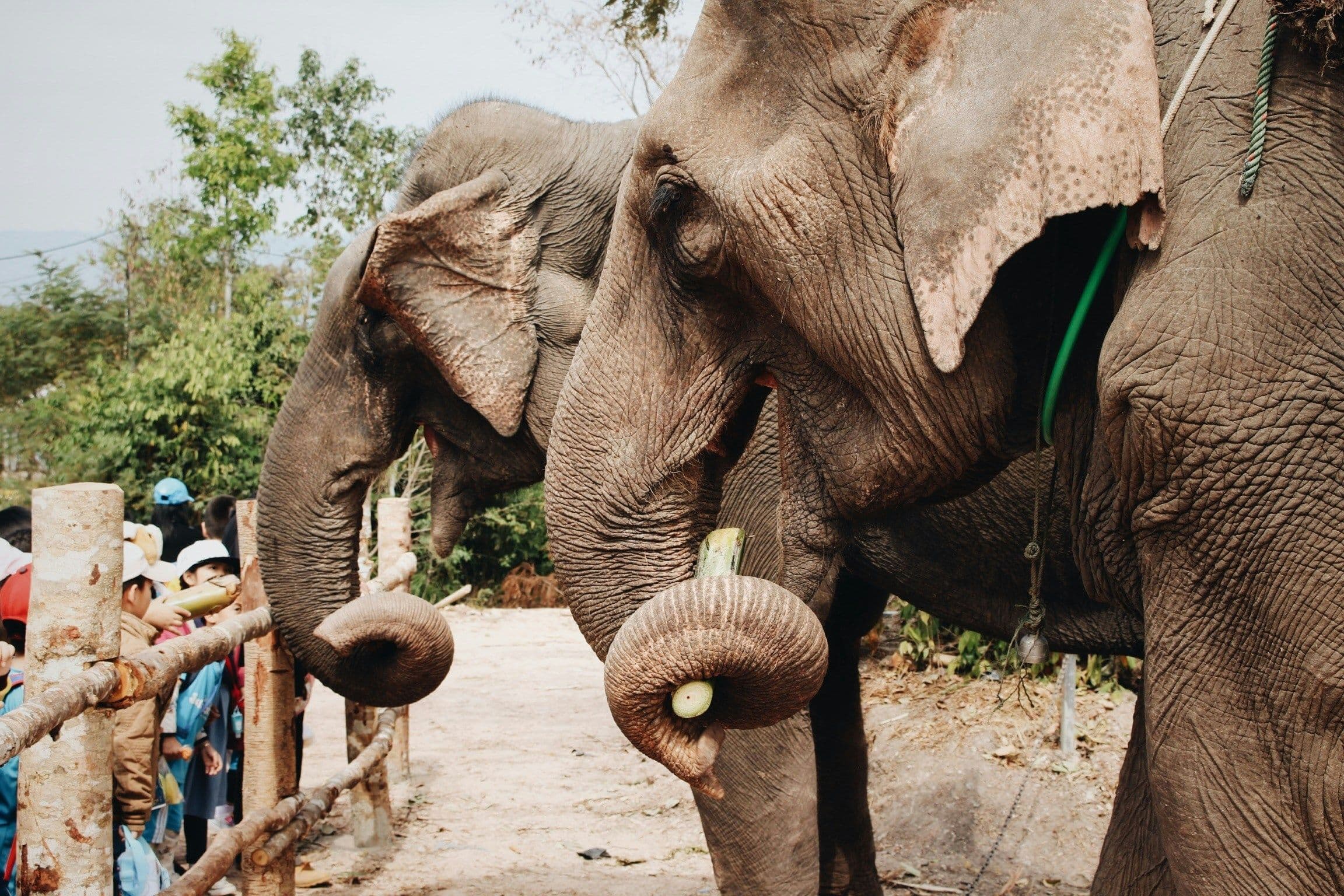
I'm all about budget travel ($25/day usually), but Elephant Nature Park in Chiang Mai is the ONE thing worth splurging on in Thailand. I paid $80 for a full day versus $30 for sketchy elephant riding tours that are cruel to animals.
Why it's worth it:
- Ethical elephant sanctuary (no riding, no tricks, no abuse)
- Full day includes hotel pickup/drop-off, lunch, a guide, and all activities
- Learn individual elephant stories (many are rescues from logging or tourism)
- Feed elephants, walk with them, watch them bathe in the river.
- Best experience of my 2+ years in Southeast Asia
I still get emotional thinking about watching a baby elephant play in the water while her protective mother stood nearby. Make sure to book at least one week in advance, as this experience often sells out.
[Book Elephant Nature Park via GetYourGuide]
Day 6: Elephant Nature Park Full Day
All Day: Pickup from hostel ~8 AM → Drive to sanctuary (1 hour) → Full day with elephants (feeding, walking, bathing, learning stories) → Vegetarian lunch included → Return to Chiang Mai at ~6 PM. Bring: a camera, sunscreen, clothes that can get wet/dirty, and closed-toe shoes.
Evening: You'll be exhausted but happy. Simple dinner near the hostel, process photos, and share stories with other travelers. Early night.
Budget: Accommodation $10 | Food $8 | Elephant Park $80 | Total: $98 (splurge day but worth every baht)
Day 7: Doi Suthep Temple + Departure or Extend
Morning: Share songthaew to Doi Suthep temple with hostel friends (40 baht/$1.10 pp, leaves when full). Temple is on a mountain overlooking Chiang Mai. Climb 309 steps, explore the temple (50 baht entrance), and enjoy stunning city views.
Afternoon: Return to the city. Last-minute souvenir shopping at markets, a final Thai massage (you deserve it), or relaxing at the hostel rooftop.
Evening options:
- Fly back to Bangkok: Chiang Mai to Bangkok flight (~1,500 baht/$42 if booked ahead, 1 hour). Stay one final night in Bangkok near airport before international departure
- Extend in Chiang Mai: Most solo travelers extend here. It's that good
- Continue to Pai: If you have more time, 3-4 days in Pai is perfect next step
Budget: Accommodation $10 | Food $8 | Transport $5 | Temple $1.40 | Massage $6 | Optional flight $42 | Total: $30.40-72.40
Total 7-Day Budget: $284-380 depending on choices (averages $40-54/day including splurge on Elephant Park)
Common Mistakes to Avoid (Learn from My Failures)
Here are the mistakes I made so you don't have to:
1. Not Buying Travel Insurance Before Departure
My mistake: I Thought "I'm young and healthy; I'll be fine" on my first trip. I contracted severe food poisoning in Chiang Mai, which necessitated a clinic visit and medication. Paid out of pocket (800 baht/$22 for visit + medicine—not terrible but would've been covered).
Bigger risk: What if I'd had a motorbike accident requiring hospitalization? Hospital bills in Thailand can reach thousands of dollars.
What I do now: Buy SafetyWing insurance before every trip. The cost is approximately $45 per month, and it covers medical emergencies, some theft, and evacuation. Peace of mind is worth it.
[Get SafetyWing Travel Insurance]
2. Temple Dress Code Disaster (Already Covered Above)
Seriously, pack temple-appropriate clothes. It bears repeating.
3. Overpacking
My mistake: I Brought 15kg backpack on my first trip, including six pairs of shoes, jeans, and a heavy jacket. Was miserable lugging it on buses.
Reality check: You'll wear the same five items on rotation. Laundry is cheap and fast (40 baht/$1.10 per kilo, 24-hour turnaround). Now I travel with a 9 kg backpack, maximum.
4. Not Downloading Offline Maps
My mistake: Relied entirely on WiFi for navigation. Got lost in Bangkok at night with a dead phone battery and no data. Scary and stressful.
What I do now: Download Maps.me offline maps for every city before arrival. Download Google Maps offline areas. Keep the power bank charged always.
5. Exchanging Money at Airport
My mistake: I Exchanged $200 at Suvarnabhumi Airport because it was convenient. I received a poor exchange rate, which resulted in a loss of approximately $15 compared to the city rates.
Better option: Bring $50-100 cash to exchange at the airport for the first day only (taxis, food, emergencies). Use city exchange booths or ATMs for better rates. SuperRich is the best Bangkok exchange (multiple locations, including BTS stations).
6. Booking Accommodation Too Far in Advance
My mistake: I Booked the entire two-week itinerary before arriving. Ended up hating one hostel but was stuck paying for three nights.
Better approach: Book the first 2-3 nights only. Once you arrive and meet travelers, you'll get better recommendations for your next destinations. Flexibility is your friend (except for the December-January peak season—book those ahead).
7. Skipping Sunrise/Early Mornings at Temples
My mistake: I Visited the Grand Palace at 2 PM on my first trip. Absolutely mobbed with tourists, blazing hot (38°C/100°F), couldn't enjoy it, felt rushed.
Lesson learned: Wake early for major sights. 8:30 AM Grand Palace opening is magical—relatively empty, cooler, better photos, and you can actually appreciate the beauty. Same for all major temples.
8. Not Learning Basic Thai Phrases
My mistake: I Relied entirely on English and pointing for the first trip. I failed to establish deeper connections with the locals and came across as a typical entitled tourist.
What changed: Learning just five Thai phrases—hello (sawadee ka), thank you (khop khun ka), delicious (aroy mak), no spicy (mai pet), and how much (thao rai)—transformed interactions. Locals appreciated the effort, smiled more, were more accommodating, and gave better prices.
9. Carrying Valuables to Beach/Pool
My mistake: I Brought a phone, cash, and credit cards to the beach in Ko Tao. After I went swimming, I returned to find that someone had gone through my bag. Lost 2,000 baht ($56) cash.
Better approach: Leave valuables locked at accommodation. Bring only essentials to the beach in a waterproof bag you can swim with, or have someone in the group watch the bags while others swim.
10. Not Bargaining (or Bargaining Too Aggressively)
My mistakes: First trip I paid the full asking price for everything at markets (overpaid significantly). Second trip I over-bargained aggressively after reading internet advice—made vendors uncomfortable and felt bad.
Balance I found: Start at 50-60% of the asking price, negotiate friendly with smiles, be willing to walk away, but don't fight over 20 baht ($0.55). Remember you're bargaining over single dollars—the vendor needs the money more than you do.
Frequently Asked Questions About Solo Female Travel in Thailand
Ready to Book Your Solo Thailand Adventure?
Key Takeaways from This Guide:
- Thailand is incredibly safe and affordable for solo female travelers—one of the best countries in the world for your first solo trip
- Budget $25-40/day for comfortable backpacker experience, or $50-80/day for more comfort
- Start in Bangkok or Chiang Mai—both are perfect for first-timers with excellent hostel scenes and easy navigation
- Pack temple-appropriate clothing (covered shoulders and knees) to avoid my embarrassing mistakes
- Get travel insurance before you leave— SafetyWing costs ~$7/week and covers medical emergencies
- You won't be lonely—Thailand's backpacker community means instant friends at every hostel
I was terrified before my first solo trip to Thailand. Now, four trips and seven months later, Thailand feels like a second home. It gave me confidence, incredible friendships, and stories I'll tell forever.
Your turn. Stop researching and start booking. That first step—buying your flight—is the scariest part. Everything else falls into place once you arrive. Thailand will welcome you with open arms, incredible food, and adventures you can't even imagine yet.