38 MINS READ
The Complete Guide to Solo Female Travel in Southeast Asia (2026)
Post by Sophie Chen
Disclosure: This post may contain affiliate links, which means I earn a small commission at no extra cost to you if you book through my links. I only recommend services I've personally used and trust. Read More
I'll never forget sitting in my cramped studio apartment in Seattle, staring at a one-way ticket to Bangkok I'd just purchased with shaking hands. It was 2am, I'd never traveled solo internationally before, and every Google search about "is Southeast Asia safe for solo female travelers?" gave me conflicting answers. I was 27, recently single, and desperate for an adventure that would prove to myself I could do hard things.
Fast forward 18 months, and I've spent over 8 months traveling solo through Thailand, Vietnam, Cambodia, Laos, Malaysia, and Indonesia on a daily budget of $30-50. I've made mistakes (so many mistakes), had incredible adventures, and learned that Southeast Asia is not only possible for solo female travelers—it's transformative. Whether you're planning your first Southeast Asian trip or looking for an honest Southeast Asian travel guide, I'm sharing everything I wish I'd known before I left, including the stuff other bloggers don't talk about.
Is Southeast Asia Actually Safe for Solo Female Travelers?
Let me be bluntly honest: Yes, Southeast Asia is generally safe for solo female travelers, but "safe" doesn't mean "nothing bad can happen." In 8 months of solo travel, I never experienced assault or serious theft, but I did deal with uncomfortable situations, aggressive touts, and one attempted bag snatching in Ho Chi Minh City (I held onto my bag; he ran away).
Here's what I learned about safety that the Instagram-perfect travel bloggers won't tell you:
The real safety picture from my experience:
I felt safer walking alone at night in Chiang Mai, Hoi An, and Luang Prabang than I ever did in downtown Seattle. The bigger cities—Bangkok, Ho Chi Minh City, and Manila—require the same street smarts you'd use in any major city anywhere in the world. The actual risks aren't usually violent crime; they're petty theft, scams, and dealing with men who don't respect boundaries.
Situations I encountered that felt unsafe:
- A tuk-tuk driver in Bangkok who drove me to a gem store instead of my requested destination and got angry when I refused to go inside
- Persistent men following me for several blocks in Kuta, Bali (I ducked into a 7-Eleven and waited them out)
- A guesthouse owner in Siem Reap who made uncomfortable comments about me being alone
- Aggressive taxi drivers who quoted 5x the normal price when they saw I was a solo woman with luggage
What actually kept me safe:
- Trusting my gut ruthlessly. If something felt off, I left. When a motorbike taxi driver in Hanoi offered to take me to "better temples" than the ones I requested, I said no and got out. It cost me $2 and saved me from potential trouble.
- Staying in well-reviewed hostels and guesthouses. I always book my accommodation through Booking because they have free cancellation, verified reviews from other solo female travelers, and the lowest prices I've found in Southeast Asia. Reading reviews from other women saved me countless times.
- Dressing more conservatively than I wanted to. In temples, yes, but also just generally. Covering my shoulders and wearing loose pants instead of shorts reduced unwanted attention by at least 70%.
- Not drinking heavily or getting drunk alone. I had plenty of fun nights out, but I always stayed aware of my surroundings and kept control.
💡 REALITY CHECK: Southeast Asia isn't dangerous, but it does require awareness. If you can navigate a city alone in your home country, you can handle Southeast Asia. The difference is everything is unfamiliar at first, which makes it feel scarier than it actually is.
How Much Does Budget Travel Southeast Asia Really Cost? (Real Numbers From My Actual Spending)
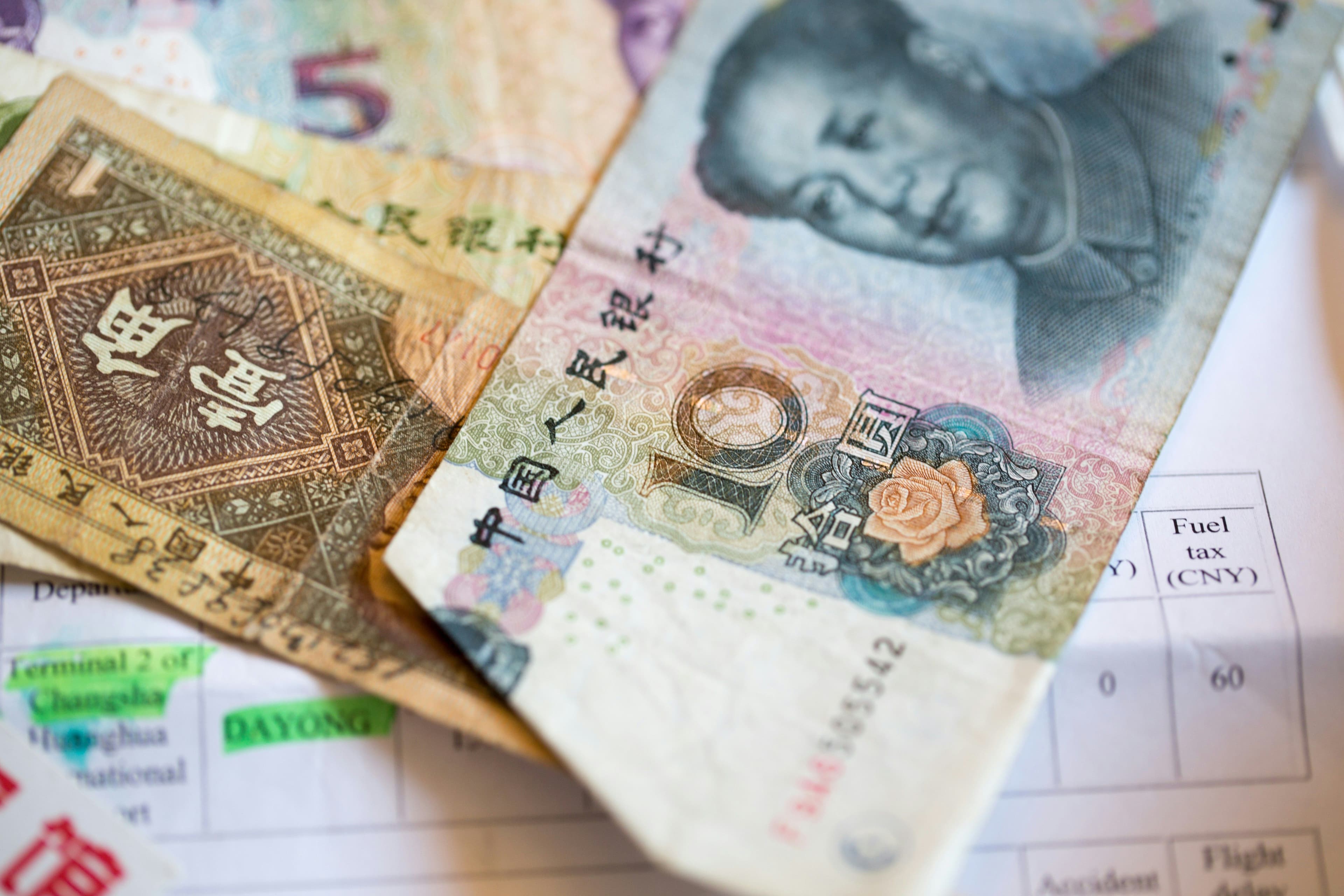
Before I left, I read dozens of budget travel guides that claimed "you can travel Southeast Asia on $20/day!" Technically true, but misleading. Here's what budget travel southeast asia actually costs when you want to do more than survive in your hostel room eating instant noodles.
My real daily spending average (tracked for 8 months): $37/day
This included accommodation, food, transportation, activities, and those random expenses nobody tells you about (laundry, phone credit, and the occasional Western comfort food when I was homesick).
| Country | Daily Budget | Accommodation | Food | Activities | Best For |
|---|---|---|---|---|---|
| Thailand | $35-45 | $8-25 | $8-12 | $5-15 | First-timers, food lovers |
| Vietnam | $25-35 | $6-20 | $6-10 | $5-10 | Budget travelers, foodies |
| Cambodia | $30-40 | $8-22 | $8-12 | $10-20 | Temple lovers, history buffs |
| Laos | $30-40 | $8-15 | $8-12 | $10-15 | Slow travelers, nature lovers |
| Indonesia (Bali) | $35-50 | $10-30 | $10-15 | $10-20 | Digital nomads, yoga retreats |
| Malaysia | $35-45 | $10-28 | $10-15 | $8-15 | Foodies, city lovers |
Budget Breakdown by Country (from my actual expenses):
Thailand: $35-45/day
- Accommodation: $8-15 (hostel dorm) / $18-25 (private room)
- Food: $8-12 (mix of street food at $2-3/meal and occasional restaurants at $5-8)
- Activities: $5-15/day
- Transportation: $5-10/day
- Real example: In Chiang Mai for 3 weeks, I spent $38/day staying in a private room, taking cooking classes, and eating very well
Vietnam: $25-35/day
- Accommodation: $6-12 (hostel dorm) / $15-20 (private room)
- Food: $6-10 (street food is criminally cheap here—I ate banh mi for $1.50 and pho for $2)
- Activities: $5-10/day
- Transportation: $3-8/day
- Real example: During my month in Vietnam, I averaged $28/day, including a 3-day Ha Long Bay cruise ($120)
Cambodia: $30-40/day
- Accommodation: $8-12 (hostel) / $15-22 (private room)
- Food: $8-12 (slightly more expensive than Vietnam, more Western options)
- Activities: $10-20/day (Angkor Wat pass is $37 for one day, $62 for three days)
- Transportation: $5-10/day
- Real example: Siem Reap was pricey at $42/day for 4 days (Angkor Wat pass + nicer accommodation to recover)
Laos: $30-40/day
- Accommodation: $8-15 (fewer ultra-budget options)
- Food: $8-12
- Activities: $10-15/day
- Transportation: $5-12/day
- Real example: Luang Prabang was my most expensive at $45/day—worth every penny
Indonesia (Bali): $35-50/day
- Accommodation: $10-18 (hostel) / $20-30 (private room with pool!)
- Food: $10-15 (tourist prices + occasional splurges)
- Activities: $10-20/day
- Transportation: $8-15/day (scooter rental + petrol)
- Real example: Canggu averaged $48/day, Ubud was $38/day
Malaysia: $35-45/day
- Accommodation: $10-15 (hostel) / $18-28 (private room)
- Food: $10-15 (Malay food is incredible and affordable)
- Activities: $8-15/day
- Transportation: $5-12/day
- Real example: Penang food scene destroyed my budget—$50/day for 5 days because I couldn't stop eating
Hidden Costs Nobody Mentions:
- Visa fees: Vietnam visa: $25, Cambodia visa on arrival: $30
- Travel insurance: $45/month (I use SafetyWing—never traveling without it after my friend's dengue fever hospital bill)
- Laundry: $2-4 per load (adds up when you're rewearing clothes constantly)
- Sunscreen and toiletries: Imported brands are expensive—budget $20-30/month
- SIM cards and data: $5-15/month per country
- Western comfort food tax: When you're homesick and pay $8 for mediocre pizza
- Extra activities: That spontaneous rock climbing trip, the cooking class, the boat tour everyone's doing
💡 MY BUDGETING STRATEGY: I tracked every expense in the Trail Wallet app (free) for the first 2 months, which showed me I was spending $15/day on random snacks and coffee. Once I knew my patterns, I could adjust. I also always kept a $500 emergency buffer in my account—needed it twice for last-minute flights.
Best Countries for First-Time Southeast Asia Solo Female Travelers
After traveling through six countries, here's my honest ranking for where to start if this is your first time in Southeast Asia:
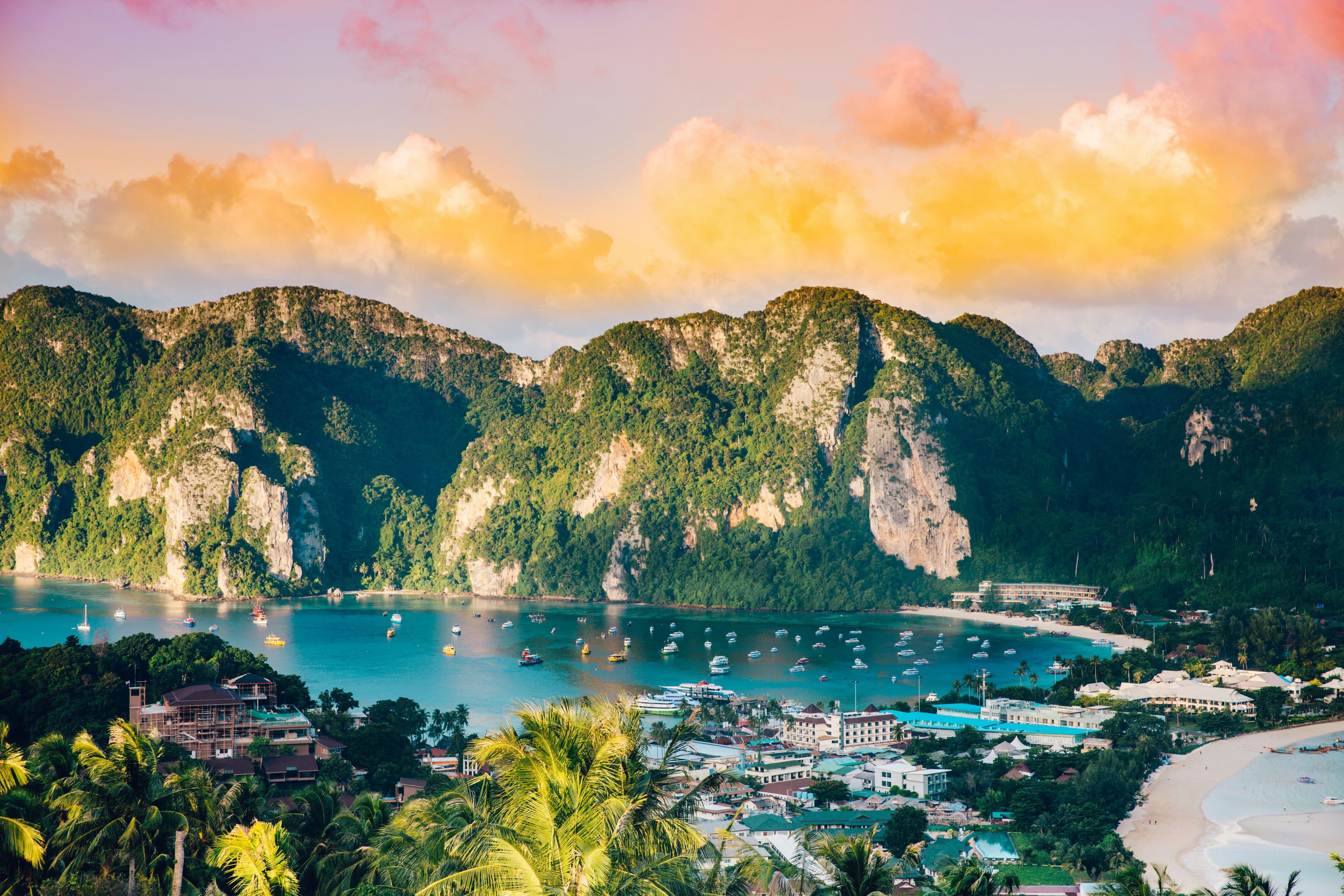
1. Thailand: The Perfect Gateway ⭐⭐⭐⭐⭐
Why I recommend starting here:
Thailand is Southeast Asia on easy mode, and I mean that as the highest compliment. When I landed in Bangkok at 2am on my first night in Asia, I was terrified. But within 48 hours, I'd figured out the SkyTrain, found wonderful $2 pad thai, met three other solo travelers at my hostel, and started to think, "I can actually do this."
What makes it perfect for first-timers:
- Tourist infrastructure is incredible—English is widely spoken in tourist areas
- Well-established backpacker trail makes meeting people effortless
- Transportation is easy to figure out (compared to Vietnam's chaos)
- Safety felt high everywhere except crowded tourist areas (watch your bags)
- Food is familiar enough to not be scary and exotic enough to be exciting
My suggested Thailand route for solo female travelers (2-4 weeks):
- Bangkok (3-4 days): Grand Palace, Chatuchak Market, rooftop bars, street food tours
- Chiang Mai (5-7 days): Temples, night markets, cooking classes, elephant sanctuary
- Pai (3-4 days): Hippie mountain town, waterfalls, scooter adventures (if you're brave)
- Islands—choose your vibe: Koh Tao (diving/party), Koh Lanta (chill), Koh Phangan (Full Moon Party), Railay Beach (rock climbing)
Real talk: Chiang Mai changed my life. I planned to stay 4 days and stayed 3 weeks. The digital nomad community there is unreal for meeting long-term travelers, and I felt safer there than in my hometown.
2. Vietnam: Incredible Once You Get Past the Chaos ⭐⭐⭐⭐
Why it's my personal favorite:
Vietnam broke my heart in the best way. The food, the landscapes, the absurdly low prices—but it's also more challenging than Thailand. The traffic in Hanoi and Ho Chi Minh City is genuinely terrifying (crossing the street is an extreme sport), English is less common, and the aggressive selling in tourist areas can be exhausting.
**When I visited Hoi An in March 2024, I stayed at the Tribee Bana hostel ($9/night with breakfast), and it's still the best hostel experience I've had in Asia. The vibe was perfect—social but not party-focused, mostly solo travelers in their late 20s and 30s, and the owner, Thu, became like a mom to all of us. She taught me how to spot fresh banh mi and saved me from overpaying for a tailor about six times.
Suggested Vietnam route (2-4 weeks):
- Hanoi (3 days): Old Quarter chaos, coffee culture, street food
- Ha Long Bay (2-3 days): Overnight cruise (splurge-worthy)
- Ninh Binh (2 days): "Ha Long Bay on land"—rent a scooter
- Hue (1-2 days): Imperial city, tombs
- Hoi An (4-5 days): Tailors, lanterns, beaches, FOOD
- Da Nang (1-2 days): Beach break
- Nha Trang (skip unless you love Russian tourists and party hostels)
- Da Lat (2-3 days): Mountain town, coffee plantations
- Ho Chi Minh City (2-3 days): War history, insane traffic, rooftop bars
Safety note: Vietnam is safe, but the traffic genuinely requires caution. I saw more accidents there than anywhere else. Always wear a helmet on scooters (if you rent one), and don't trust that vehicles will stop for you.
3. Cambodia: Temples, History, and Complicated Feelings ⭐⭐⭐⭐
Cambodia is heartbreaking and beautiful in equal measure. Visiting the Killing Fields and S-21 Prison in Phnom Penh was one of the hardest days of my trip, but also one of the most important. Angkor Wat at sunrise literally made me cry (and I'm not a crier).
Suggested Cambodia route (1-2 weeks):
- Siem Reap (3-5 days): Angkor Wat temples, Pub Street (touristy but fun)
- Battambang (2 days): Bamboo train, countryside, fewer tourists
- Phnom Penh (2-3 days): Sobering history, riverside, markets
- Islands (if you have time): Koh Rong for beaches
Budget tip: I hired a tuk-tuk driver in Siem Reap for 3 full days of temple tours for $45 total ($15/day). His name was Sokha, and he took me to temples at the perfect times to avoid crowds and brought me to his family's restaurant for $3 lunch. These arrangements are easy to make through your hostel.
4. Laos: The Slow Travel Antidote ⭐⭐⭐⭐
If Thailand is Southeast Asia on easy mode, Laos is Southeast Asia on slow mode—and I mean that lovingly. Luang Prabang is the most peaceful place I've been, and after 2 months of go-go-go travel, those 5 days of watching sunsets over the Mekong with a Beerlao in hand probably saved my mental health.
Best for: Travelers who need a break from the intensity, nature lovers, people who want to slow down
Suggested Laos route (1-2 weeks):
- Luang Prabang (4-5 days): Temples, waterfalls, night markets, monk alms giving
- Vang Vieng (2-3 days): Used to be a party town, now more chill—tubing, kayaking, hot air balloons
- Vientiane (1-2 days): Low-key capital
5. Indonesia (Bali/Gilis): Beautiful but Challenging ⭐⭐⭐
I have complicated feelings about Bali. Ubud is magical, the Gili Islands are paradise, and the food is incredible. But Bali also felt the most expensive (tourist prices are 3-5x local prices), the most scam-heavy, and the most environmentally destroyed by overtourism.
Best for: Yoga retreats, digital nomads, beach lovers, slightly higher budgets
Suggested Indonesia route (2-3 weeks):
- Ubud (5-7 days): Rice terraces, temples, yoga, healthy food
- Gili Islands (4-5 days): Choose your vibe—Gili T (party), Gili Air (middle), Gili Meno (quiet)
- Canggu (3-5 days): Digital nomad hub, surfing, cafes
- Nusa Penida (2 days): Day trip for dramatic cliffs
Real talk: I got quoted 300,000 IDR ($20) for a taxi that should cost 50,000 IDR ($3.50) in Bali approximately 47 times. Always use the Grab app for transportation.
6. Malaysia: Underrated and Incredible ⭐⭐⭐⭐
Malaysia doesn't get enough love. It's more developed than most of Southeast Asia, which makes it easy, but it's also less "exotic," so many backpackers skip it. Their loss—the food in Penang alone is worth the flight.
Suggested Malaysia route (1-2 weeks):
- Kuala Lumpur (2-3 days): Modern city, food courts, Petronas Towers
- Penang (4-5 days): THE FOOD. Seriously. Best food in Southeast Asia.
- Cameron Highlands (2-3 days): Tea plantations, hiking, cooler weather
- Perhentian Islands (3-4 days): Incredible diving/snorkeling
The Southeast Asia Itinerary I Wish I'd Followed (And the One I Actually Did)
The Route I Actually Took (3 months, somewhat chaotic):
Bangkok → Chiang Mai → Pai → Bangkok → Siem Reap → Phnom Penh → Ho Chi Minh City → Da Lat → Hoi An → Hanoi → Ha Long Bay → back to Hanoi → flight to Bali → Ubud → Gili Islands → Canggu → Bangkok again → islands → Penang → flew home
What I'd Do Differently (2-3 month southeast asia itinerary I'd recommend):
The "Greatest Hits" Route (3 weeks):
- Bangkok (3 days)
- Chiang Mai (4 days)
- Luang Prabang, Laos (3 days)
- Siem Reap, Cambodia (3 days)
- Hoi An, Vietnam (3 days)
- Hanoi (2 days)
- Ha Long Bay (2 days)
The "Slower Pace" Route (2 months):
- Thailand (3 weeks): Bangkok, Chiang Mai, Pai, islands
- Vietnam (3 weeks): Hanoi, Ha Long Bay, Hoi An, Ho Chi Minh City
- Cambodia (1 week): Siem Reap, Phnom Penh
- Laos (1 week): Luang Prabang, Vang Vieng
The "I Have 3+ Months" Route:
- Add Indonesia (3 weeks), Malaysia (2 weeks), Myanmar if it's safe to visit
- Spend 2+ weeks in your favorite places
- Build in buffer time for spontaneous detours
💡 MY TOP PLANNING TIP: Don't over-plan. I booked my first week of accommodation and a rough idea of direction, then figured out the rest as I went. Some of my best experiences came from recommendations from travelers I met along the way. The one thing I do recommend booking ahead is Ha Long Bay cruises and accommodation during peak season (November-February).
Where to Stay: My Accommodation Strategy That Saved Me Hundreds
After trying everything from $4 questionable guesthouses to $30 boutique hotels, here's my strategy:
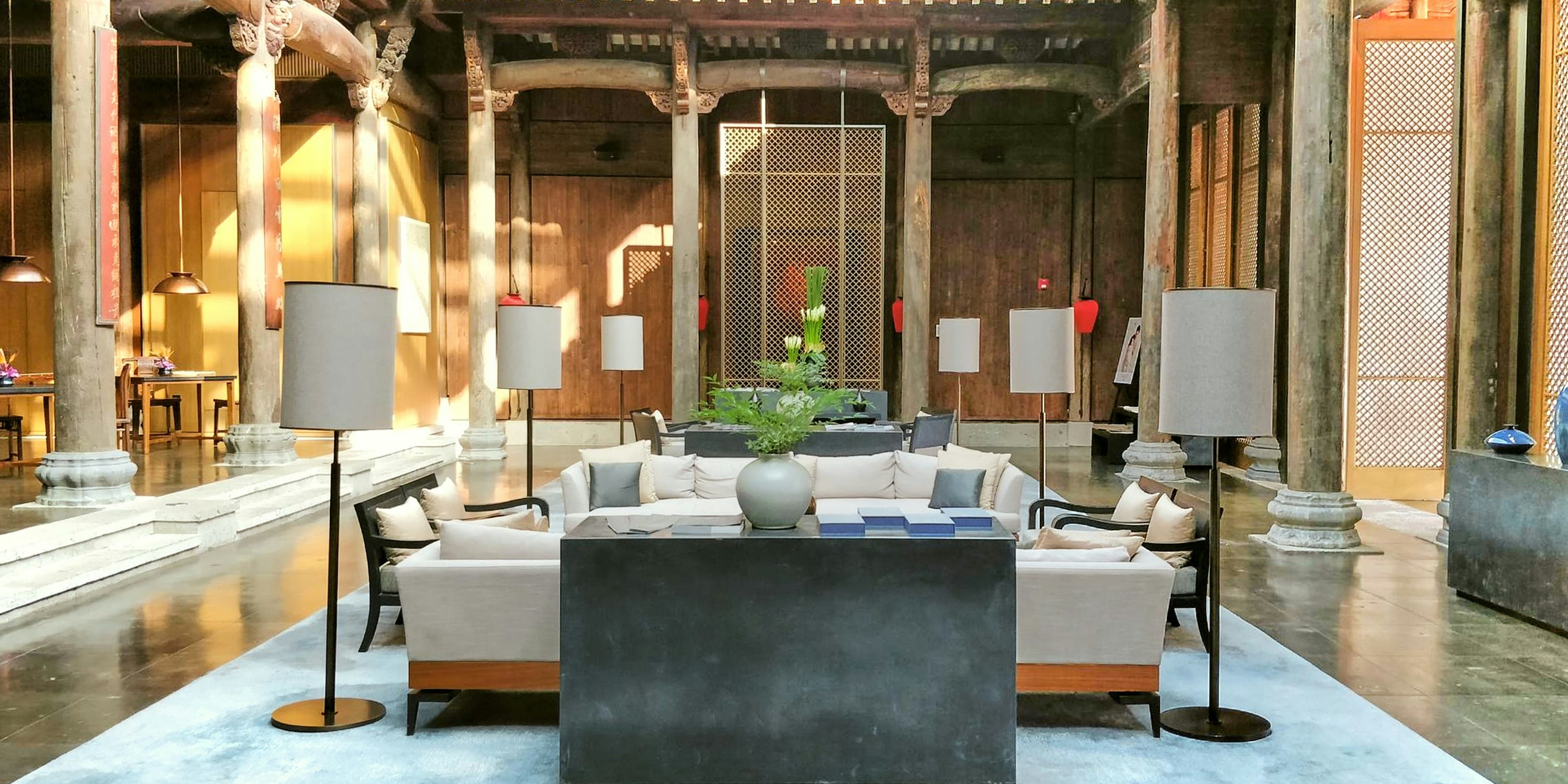
For meeting people (when I was lonely):
- Hostel dorms in social hostels
- Look for hostels with common areas, organized activities, and rooftop bars
- Best social hostels I stayed at:
- Bodega Party Hostel, Bangkok (if you want to party)
- Tribee Bana, Hoi An (perfect vibe)
- Mad Monkey, Siem Reap (social but not crazy)
- Lub d, Chiang Mai (pods instead of bunks—game changer)
For rest and reset (when I needed peace):
- Private rooms in guesthouses ($12-20/night)
- Search "homestay" on Booking for family-run places
- Check if they have common areas—private room with solo traveler community is the sweet spot
For work (digital nomad mode):
- Places with good WiFi, desk, and quiet
- Read recent reviews specifically about WiFi speed
- Hostels in Chiang Mai and Canggu cater to digital nomads
How I actually booked everything:
I used Booking for 90% of my bookings because:
- Free cancellation on most properties (crucial for spontaneous itinerary changes)
- Verified reviews from other travelers
- Genius loyalty program gave me discounts after booking 5 stays
- Customer service saved me twice when guesthouses tried to overcharge me
Booking: I always book my accommodation through the Booking platform because after comparing prices across Hostelworld, Agoda, and others for months, the Booking platform consistently had the same or better prices with more flexible cancellation policies.
💡 SAFETY TIP: I never booked the absolute cheapest option. Spending an extra $2-3/night for a place with good reviews from solo female travelers was always worth it. Look for reviews that mention "felt safe," "good location," and "helpful staff."
| Accommodation Type | Price Range | Best For | Pros | Cons |
|---|---|---|---|---|
| Hostel Dorm (6-12 beds) | $6-12/night | Meeting people, extreme budget | Cheapest option, social atmosphere, organized activities | Less privacy, can be noisy, shared bathrooms |
| Hostel Private Room | $15-25/night | Solo travelers wanting some privacy | Privacy + hostel social scene, often ensuite bathroom | More expensive than dorms, limited availability |
| Budget Guesthouse | $12-20/night | Rest & recovery days | Quiet, family-run, local experience, private room | Less social, varying quality, sometimes isolated location |
| Mid-Range Hotel | $25-40/night | Treating yourself, work days | Comfort, reliable WiFi, pool, professional service | Expensive for long-term, less authentic, isolated from travelers |
| Homestay | $10-18/night | Cultural immersion | Authentic experience, home-cooked meals, local insights | Variable comfort, language barriers, house rules |
My screening process:
- Filter by "solo traveler" or "business traveler" (weird but female business travelers leave realistic safety reviews)
- Read the 3 most recent negative reviews—are they dealbreakers?
- Verify the location on Google Maps—is it on a main road, near restaurants, and not isolated?
- Message the host with a question—their response time/helpfulness tells you a lot
Solo Female Travel Safety Tips That Actually Matter (Beyond "Trust Your Gut")
Everyone says, "trust your gut," which is great advice but not super actionable when you're in a completely unfamiliar place and everything feels weird. Here's what actually helped me stay safe:
Scam Prevention (The Ones I Encountered):
The Gem/Tailor Scam (Bangkok, mostly): Friendly local says, "The temple is closed today" (it's not) and offers to take you to a gem store or tailor shop. They get commission, and you get overcharged. I fell for this once on day 2. Solution: Check official temple hours on your phone, and politely decline all tuk-tuk driver "suggestions."
The Motorbike Rental Damage Scam (Everywhere): You rent a scooter, return it, and they claim new damage and demand payment. Solution: Take photos/videos of EVERY scratch before riding away. I learned this the hard way in Pai—it cost me $50.
The Taxi Meter "Broken" (Bangkok, Hanoi): The Taxi driver claims the meter is broken and quotes a flat rate (always 5x the actual cost). Solution: Use the Grab app (Southeast Asian Uber). If stuck, insist on a meter or walk away.
The Beach Transport Scam (Islands): Boat operators cancel "scheduled" boats and force you onto "private" boats at 4x the price. Happened to me in Koh Lanta. Solution: Book through your accommodation, not random beach guys.
The Overfriendly Local (Multiple Cities): A Friendly local offers to show you around, then demands payment or takes you to their family's shop. Solution: If it seems too good to be true, it is. Politely decline.
Real Safety Advice:
Share your location. I used Google Maps location sharing with my mom and best friend the entire time. They could see where I was 24/7. When I went on a sketchy overnight bus to Laos, knowing someone was tracking me made me feel safer.
Trust women, especially other solo female travelers. The solo female travel network in Southeast Asia is strong. I can't count how many times a woman at my hostel warned me about a sketchy tuk-tuk driver or walked with me at night because neither of us wanted to walk alone.
Have offline maps. Download Maps.me or Google Maps offline for every city. Getting lost is when you're most vulnerable to scams and unsafe situations.
Carry a doorstop alarm. $8 on Amazon. I used it in every guesthouse. It provides a noise alert if someone tries to open your door and physically blocks it.
Learn basic phrases. Just "no" and "stop" in the local language changes the dynamic. Thai: "Mai chai" (no), Vietnamese: "Không" (no), Khmer: "Te" (no).
The drunk friend problem. I watched multiple women get separated from friends in bars in Khao San Road and Pub Street. If you go out, agree on a meeting spot if you get separated, share locations, and watch each other's drinks. I'm not trying to scare you, but I saw drinks getting spiked. It happens.
💡 REALITY CHECK: I felt unsafe maybe 5% of my time in Southeast Asia. The other 95% ranged from totally comfortable to slightly on edge in crowded markets. Compare that to walking alone in any major US city at night.
How to Meet People Without Staying in Chaotic Party Hostels
This was my biggest fear before leaving: "What if I'm lonely the entire time?" I'm an introvert who needs alone time, but I also didn't want to eat dinner alone every night for three months.
What worked for meeting people:
Stay in social hostels (not party hostels). There's a difference. Social hostels offer organized activities such as cooking classes, pub crawls, day trips, and game nights, without being excessively loud at 3am. Party hostels are fun for a night, exhausting for a week.
How to tell the difference in reviews:
- Social hostel reviews mention "meeting great people," "fun but not too crazy," and "could actually sleep."
- Party hostel reviews say, "best party of my life," "SO LOUD," "never slept"
Join hostel activities even when you don't feel like it. Every single one of my travel friends came from forcing myself to join a hostel cooking class or group dinner when I wanted to hide in my bed and read. The first 5 minutes are awkward. Then someone makes a joke about how awkward it is. Then you're friends.
Take day tours. I met some of my favorite travel buddies in a cooking class in Chiang Mai and on a street food tour in Hanoi. Small group tours naturally create conversations.
Sit at the common area, not your room. Seems obvious, but those days where I worked on my laptop in the common area vs. my room made the difference between eating alone and getting invited to dinner.
Talk to people at breakfast. "Where are you headed today?" is the universal backpacker opener. It works.
Apps for meeting people: I know it sounds weird, but I met great friends through Bumble BFF in Chiang Mai and Canggu. There's also Couchsurfing hangout events (you don't have to stay with anyone; they organize meetups).
Facebook groups: "Girls Love Travel" and country-specific solo travel groups helped me meet up with people in several cities.
When I needed alone time, I took private rooms in guesthouses for 3-5 days between social periods. This rhythm—social hostel for a week, private room for a few days, repeat—saved my sanity.
💡 HONEST MOMENT: There were lonely nights. Especially the first two weeks before I found my rhythm. One night in Bangkok, I cried eating pad thai alone in my hostel bed. But those moments became rarer as I learned how to put myself out there. And sometimes eating dinner alone while people-watching in a Vietnamese market was exactly what I needed.
What to Pack for 3+ Months in Southeast Asia (What I Actually Used vs. What I Schlepped Around)
I packed a 40L backpack and a 20L daypack. Here's what I used constantly vs. what I should have left at home:
ACTUALLY USED EVERY DAY:
Clothing:
- 3 loose tank tops (cotton, not athletic—less sweat)
- 2 t-shirts
- 1 long-sleeve shirt (sun protection, temples, planes)
- 1 pair light hiking pants (pants you can also swim in are magical)
- 1 pair athletic shorts
- 1 sarong (beach cover-up, temple cover, towel, blanket—most versatile item I brought)
- 1 light cardigan (for aggressive AC)
- 1 swimsuit
- 7 pairs underwear (quick-dry)
- 3 bras (1 sports bra, 2 regular)
- 1 pair flip-flops
- 1 pair walking sandals (Teva-style)
- 1 pair sneakers (I brought running shoes, wore them twice, mailed them home)
Electronics:
- Phone + charger
- Power bank (10,000 mAh—saved me constantly)
- Universal adapter
- Kindle (downloaded the entire Bangkok library before leaving)
- Headphones (noise-cancelling for buses—worth the weight)
- Laptop (if you work remotely)
Toiletries (TRAVEL SIZE):
- Sunscreen (bring from home; it's expensive there)
- Bug spray with DEET
- Basic makeup (I stopped wearing makeup after week 2—too hot)
- Razor
- Birth control
- Medications and copies of prescriptions
- Tampons (tampons are hard to find; everyone uses pads)
Safety/Practical:
- Doorstop alarm
- TSA-approved luggage locks
- Dry bag (for boat trips)
- Microfiber travel towel
- First aid kit (bandaids, Imodium, antihistamines)
- Water bottle with filter (I used LifeStraw)
COMPLETELY USELESS (Left at home or mailed home):
- Fancy dresses (wore once, carried for 3 months)
- More than 1 pair of shoes beyond sandals
- Hair dryer (never used; accommodations always had one if needed)
- Full-size anything
- Travel pillow (took up too much space)
- More than 1 week's worth of clothes (you'll do laundry anyway)
WHAT I BOUGHT THERE:
- Cheap sundresses from markets ($5-8 each; bought 3, wore constantly)
- Lightweight pants ($7)
- Extra sarong
- Laundry detergent travel packets
- Mosquito net (needed in some basic guesthouses)
💡 PRO TIP: Don't stress about packing perfectly. You can buy almost anything there for cheaper than at home. I mailed home 5 kg of stuff after one month and wished I'd packed even lighter. If you're not sure you'll use it, leave it.
What I wish I'd brought more of:
- Sunscreen (high SPF is expensive there)
- Tampons (seriously, they're hard to find)
- Favorite snacks from home for homesick days
- A nicer outfit for going out (I regretted the no-dress situation a few times)
Managing Loneliness, Homesickness, and the Emotional Rollercoaster
Nobody tells you that solo travel isn't Instagram-perfect 24/7. Some days you'll feel like a badass independent woman conquering the world. Other days you'll cry because you miss your mom and the Starbucks barista who knows your order.
My loneliest moments:
Week 2 in Bangkok: Everyone at my hostel seemed to already have their friend groups. I spent an entire day alone, got lost trying to find a temple, and ended up eating McDonald's in my hostel bed wondering what I was doing with my life.
What helped: I went to the hostel common area the next morning, asked a girl reading alone, "Want to purchase coffee?" and we ended up traveling together for 2 weeks. She later told me she'd also spent the previous day crying alone. Turns out everyone feels lonely sometimes.
Month 2 in Vietnam: I missed my best friend's birthday, my nephew's first birthday, and my mom's surgery (minor, but still). FaceTiming in a Vietnamese internet cafe while everyone at home was together for Thanksgiving broke my heart slightly.
What helped: I wrote them all long letters (actual handwritten letters), mailed them, and scheduled regular FaceTime dates at set times so I had something to look forward to. Time zones are brutal—accept it upfront.
Random Wednesday in Cambodia: Just felt done. Tired of packing my bag, tired of new places, tired of saying goodbye to people, tired of not understanding the language, tired of rice.
What helped: I booked myself into a slightly nicer guesthouse with a pool for 3 days, didn't leave the property, read books, ordered delivery, and gave myself permission to not explore. Best $60 I spent.
Strategies that genuinely helped:
Give yourself "off" days. You don't have to maximize every minute. Some days I just sat in cafes reading or watching Netflix. That's okay.
Maintain routines. I went for a walk every morning and found a coffee shop to journal in. Having predictable rituals in unpredictable places grounded me.
Don't compare your experience to others' highlight reels. Instagram made it look like everyone else was having magical experiences 24/7. They weren't. I met a girl who admitted she'd posted a photo with the caption "living my best life!" right after crying in her hostel bathroom. We're all faking it sometimes.
Stay connected at home, but not too connected. I limited myself to one video call home per week. More than that made me more homesick. But I texted random updates and photos daily—kept me connected without dwelling.
Have comfort items. I brought my favorite tea bags from home. Stupid and heavy, but sipping that familiar tea on hard days helped more than I expected.
Build in buffer time. I scheduled empty days every 2-3 weeks where I had no plans, could stay somewhere I liked longer, or could just decompress.
Talk about it. Other travelers get it. Saying "I'm having a hard day" to your hostel roommate usually results in "same, want to get pho?" followed by a real conversation where you both admit solo travel is hard sometimes.
💡 HONEST TRUTH: I almost quit and flew home three times. Once in week 2 (Bangkok loneliness), once in month 2 (Vietnam homesickness), and once in month 4 (just exhausted). I'm so glad I didn't. The hard moments made the incredible moments more meaningful. But if you need to go home, that's okay too. Finishing a trip early doesn't mean you failed.
Essential Apps and Tools I Used Every Single Day
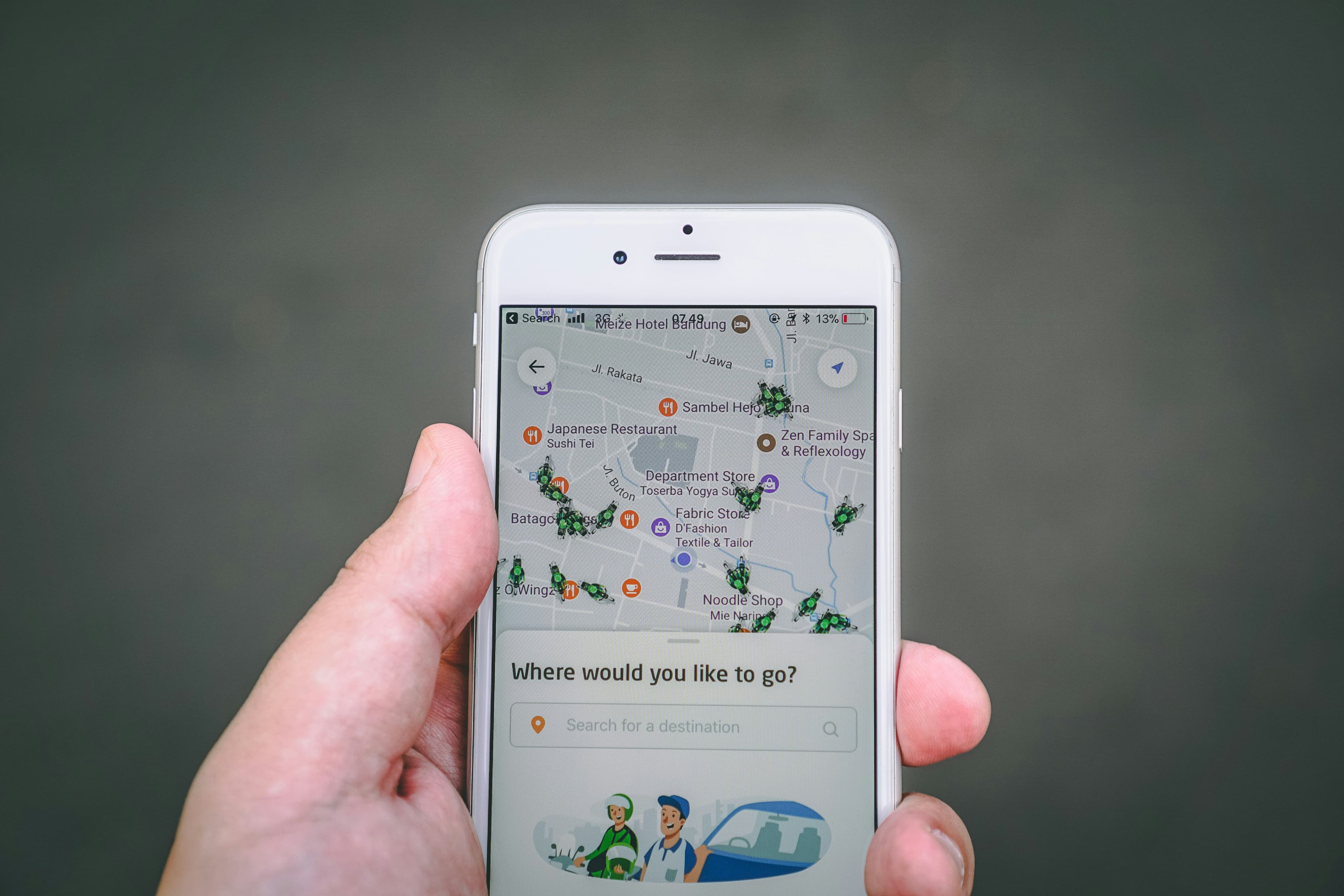
For navigation:
- Maps.me: Offline maps that actually work (saved me countless times with no data)
- Google Maps: Download offline maps for each city
- Grab: Southeast Asian Uber—used daily for honest-price transportation
For accommodation:
- Booking: My main booking platform—earned discounts through Genius program
- Hostelworld: Good for reading hostel reviews, but I usually booked through Booking platform^ for better cancellation
For money:
- Wise (formerly TransferWise): Debit card with the best exchange rates and no foreign transaction fees. Saved me probably $200 over 8 months compared to using my US bank card
- Trail Wallet: Free expense tracking app—helped me actually stick to my budget
- XE Currency: Quick currency conversions when negotiating prices
For communication:
- WhatsApp: Everyone uses this for everything
- Google Translate: Download offline translation packs—critical when there's no WiFi
- HelloTalk: Language exchange app—helped me learn basic Thai
For safety:
- Google Maps location sharing: Shared with mom and best friend entire trip
- Smart Traveler App (US State Dept): Security updates for each country
For booking activities:
- Klook or GetYourGuide: Competitive prices for tours and activities, often cheaper than booking direct
- 12Go Asia: Booking buses, trains, and ferries between countries
For staying healthy:
- Headspace: Meditation app—helped manage travel anxiety
- MyFitnessPal: Realized I was barely eating enough protein—tracking helped
For work (if digital nomad):
- Speedtest: Test WiFi before committing to accommodation
- Toggl Track: Time tracking for freelance work
💡 MY MOST-USED APP: Honestly, Google Maps. I had offline maps of every city downloaded and used them a minimum of 20 times daily. Cannot overstate how important offline maps are for safety and confidence.
For travel insurance: I use SafetyWing (Nomad Insurance) at $45/month. It's specifically designed for long-term travelers, covers you in your home country for short visits (unlike most travel insurance), and I can pay month-to-month. Never traveling without insurance again after my friend's $3,000 hospital bill for dengue fever in Thailand. SafetyWing link—I've made three claims (food poisoning, lost luggage, and canceled flight), and they paid out every time within 2 weeks.
Common Mistakes First-Time Travelers Make (That I Definitely Made)
Moving too fast. I tried to do Bangkok-Chiang Mai-Pai-Siem Reap-Phnom Penh-Ho Chi Minh City in 3 weeks. I was exhausted, couldn't remember which temple was which, and spent more money on transportation than if I'd slowed down. Stay a minimum of 3–4 days at each place.
Not building in rest days. I planned every day to maximize experiences and ended up burned out in week 3. Now I build in 1 "nothing" day for every 5 "exploring" days.
Overpacking. Already covered this, but seriously—you'll realize on day 3 you're carrying around 5 kg of stuff you'll never use.
Not getting travel insurance. False economy. Get it. I pay $45/month through SafetyWing, and the peace of mind alone is worth it.
Bringing too much cash. ATMs are everywhere in cities. I stressed about carrying $2,000 cash and ended up using ATMs as needed (though I did keep $200 emergency cash hidden in my bag).
Skipping travel insurance for "just a short trip." My friend skipped insurance for a 2-week trip. Got food poisoning. $3,000 hospital bill. Get. Insurance.
Not learning basic phrases. "Hello," "thank you," and "how much?" in the local language go SO far. People's faces light up when you try.
Saying yes to everything because of FOMO. You don't have to do every activity, see every temple, or attend every party. Missing out on one thing means being present for something else.
Not trusting other travelers' warnings. When three different people at your hostel say "that tuk-tuk driver is sketchy," listen to them.
Judging your experience against others'. Your friend did Southeast Asia on $20/day eating only street food? Cool. You need $40/day and occasional Western food? Also cool. Travel your own trip.
💡 THE MISTAKE I'M MOST GLAD I MADE: Moving too fast. It taught me to slow down, which made the second half of my trip infinitely better. Some mistakes are part of the learning curve.
Frequently Asked Questions
Final Thoughts: You Can Absolutely Do This
Sitting in that Seattle apartment 18 months ago, I could not have imagined the person I'd become by traveling solo through Southeast Asia. I learned I'm braver than I thought, more adaptable than I knew, and capable of navigating situations I would have considered impossible before I left.
The three biggest lessons from 8 months on the road:
1. Discomfort is temporary; regret lasts forever. Every time I was scared to do something (talk to strangers, try weird food, get on a 12-hour bus) and did it anyway, I was glad I did. Every time I opted for safety, I pondered, "What if?"
2. You don't find yourself traveling; you just get really comfortable being alone with yourself. The person you are at home is the person you are abroad, just in different contexts. Solo travel doesn't magically fix your problems, but it does teach you that you can handle uncertainty.
3. The magic happens outside your comfort zone, but your comfort zone is allowed to expand slowly. I didn't start my trip conquering fears and being fearless. I started scared, made small choices to push myself gently, and gradually my confidence grew. You don't have to be brave on day 1. You just have to show up.
If you're reading this and thinking, "I could never do that": That's exactly what I thought. But here's the thing—Southeast Asia is genuinely the easiest place in the world to start solo travel. The infrastructure exists to catch you, the community welcomes you, and the learning curve is gentle.
Your turn: Book the ticket. Feel the fear. Go anyway.