46 MINS READ
Is Southeast Asia Safe for Solo Female Travelers?
Post by Sophie Chen
Disclosure: This post may contain affiliate links, which means I earn a small commission at no extra cost to you if you book through my links. I only recommend services I've personally used and trust. Read More
Honest safety assessment, real risks, and practical strategies that actually work
I stood on the curb outside Bangkok's Suvarnabhumi Airport at 11 PM, my first night in Southeast Asia, trying to decide if I should get in a taxi. My mom's voice echoed in my head: "It's too dangerous for a woman alone. What if something happens to you?"
I'd almost canceled this trip three times. Every friend, family member, and even some strangers had told me I was being reckless. "You're going alone? As a woman? To Asia?" The concern was genuine, but so was the fear—theirs and mine.
That was two years ago.
Since then, I've traveled solo through eight Southeast Asian countries, stayed in 40+ hostels, taken hundreds of taxis and buses, walked through countless streets at midnight, and met thousands of strangers. And here's what I learned:
Southeast Asia is safer than most people think—and statistically safer than many Western cities I've lived in.
But let me be completely honest: risks exist. I've been followed. I've dealt with harassment. I've had belongings stolen. I've felt genuinely unsafe and had to change plans. These things happen.
Here's what this guide will give you: This guide will provide you with an honest assessment of actual risks, free from sensationalized fear or dismissive statements such as "you'll be fine." It will also provide specific strategies that have kept me safe for over two years, effective emergency protocols, and the confidence to travel while remaining smart.
The question isn't "Is it safe?" —nowhere is 100% safe. The question is, "What are the real risks, and how do I manage them intelligently?"
Let's get into it.
START HERE: Essential Safety Checklist
Before you travel:
- ☐ Get travel insurance (SafetyWing covers medical + theft: $42/month)
- ☐ Copy passport (email yourself + print copy)
- ☐ Share itinerary with trusted person back home
- ☐ Download offline maps (Maps.me)
- ☐ Save emergency contacts offline
- ☐ Buy portable door lock (Addalock on Amazon: $15)
Is Southeast Asia Safe for Solo Female Travelers? (The Honest Truth)
Let me give you the answer everyone wants but rarely gets: Yes, Southeast Asia is generally safe for solo female travelers—and statistically safer than many Western countries.
But that's not the whole story.
The Statistical Reality
Violent crime rates in Southeast Asia are significantly lower than in most Western countries:
Official violent crime statistics per 100,000 people (2023-2024)
VIOLENT CRIME RATES (per 100,000 people):
United States: 5.0 ████████████████
United Kingdom: 1.2 ████
Australia: 0.9 ███
Thailand: 2.7 ████████
Vietnam: 1.5 ████
Malaysia: 2.0 ██████
Singapore: 0.2 █
Indonesia: 1.8 █████
Cambodia: 3.1 █████████
Chart Title: "Violent Crime Reality: Southeast Asia vs Western Countries"
Title: "Official crime statistics—many SEA countries are statistically safer"
Key Points Annotated:
- Singapore: "One of world's safest countries"
- Vietnam: "Safer than U.S. and comparable to UK"
- Thailand: "Half the violent crime of United States"
Source Note: "Data from: UN Office on Drugs and Crime, national police statistics 2023-2024"
Context Box: "These statistics show REPORTED violent crime. Tourist-specific violent crime is even lower. You're safer in Bangkok tourist areas than crime statistics suggest."
It is important to note that statistics do not provide a complete picture. Tourist areas in any country (including SEA) are generally safer than national averages. But this data counters the narrative that SEA is 'dangerous.'"
Tourist-targeted violent crime is even rarer. In my 2+ years and conversations with hundreds of solo female travelers, I've met exactly zero women who experienced physical assault. I've met dozens who experienced it in their home countries.
What Actually Happens
You will probably encounter:
- Pickpocketing attempts (if careless in crowds)
- Tourist scams (taxi overcharging, fake tours)
- Catcalling or unwanted attention (especially tourist party areas)
- Being charged tourist prices (annoying, not dangerous)
- Traffic chaos (your biggest actual danger)
You probably won't encounter:
- Physical assault
- Kidnapping
- Serious violent crime
- Anything life-threatening
The reality: Most "dangers" in Southeast Asia are uncomfortable or annoying, not life-threatening. The worst thing that happened to me in 2+ years was having my phone pickpocketed in a crowded market (replaced for $200, covered by insurance).
Context That Matters
I've felt safer walking alone at midnight in Bangkok, Hanoi, and Kuala Lumpur than I have in many U.S. cities. The constant presence of people, strong community bonds, and low violent crime rates create an objectively safer environment for women.
However: This doesn't mean you can be careless. Safety requires awareness, preparation, and smart decision-making.
Real Talk: What You Need to Accept
Perfect safety doesn't exist anywhere. Not in Southeast Asia, not in your hometown, not anywhere. The question is: Are the risks manageable with reasonable precautions?
For Southeast Asia, my answer after 2+ years: Absolutely yes.
The risks are:
- Lower than most Western cities for violent crime
- Higher for petty theft (if you're careless)
- Manageable with awareness and strategy
- Far less scary than the stories your family has heard
Millions of women travel Southeast Asia solo every year. The vast majority have zero safety incidents. You're in a safer environment for the scary stories because they're rare enough to be newsworthy.
Safety By Country: Where's Safest (and Where to Be Extra Careful)
| Country | Overall Safety | Violent Crime | Petty Theft | Harassment Risk | Infrastructure | Best For | Avoid |
|---|---|---|---|---|---|---|---|
| Singapore | 9.5/10 ⭐⭐⭐⭐⭐ | Very Low | Very Low | Very Low | Excellent | Nervous first-timers | Nothing (all safe) |
| Thailand | 8.5/10 ⭐⭐⭐⭐ | Very Low | Medium | Low-Medium | Excellent | First-time solo travelers | Late-night Khao San alone, empty beaches at night |
| Malaysia | 8.5/10 ⭐⭐⭐⭐ | Low | Low-Medium | Low | Very Good | Cultural diversity seekers | Some conservative areas (dress modestly) |
| Laos | 8/10 ⭐⭐⭐⭐ | Very Low | Low | Very Low | Basic | Off-beaten-path travelers | Some border regions |
| Vietnam | 8/10 ⭐⭐⭐⭐ | Very Low | Medium | Low | Good | Budget travelers, foodies | Traffic (biggest danger) |
| Bali | 7.5/10 ⭐⭐⭐ | Low | Medium | Medium | Good | Digital nomads, yoga | Beach clubs at night, scooter riding |
| Cambodia | 7/10 ⭐⭐⭐ | Low-Medium | Medium | Medium | Basic | Angkor Wat visitors | Walking alone late at night |
| Philippines | 7/10 ⭐⭐⭐ | Low-Medium | Medium | Low-Medium | Variable | Beach/island lovers | Mindanao region |
Not all Southeast Asian countries are equally safe. Here's my honest assessment after extensive time in each:
Thailand: Safest Overall (8.5/10)
Why it's safest:
- Extremely low violent crime against tourists
- Excellent tourist police infrastructure
- Huge solo female traveler community (safety in numbers)
- English widely spoken in tourist areas
- Well-lit, developed tourist zones
Main safety concerns:
- Petty theft in crowded markets
- Taxi scams (easily avoided with Grab)
- Tourist scams near major sights
- Drink spiking at the Full Moon Party is rare, but it does occur.
- Scooter accidents (especially in islands)
Areas to be extra careful:
- Late-night Khao San Road alone (drunk crowds)
- Empty beaches at night
- Pattaya (seedier tourist area)
My experience: I've spent 8 months in Thailand across four trips. Never felt seriously unsafe. The biggest "danger" I faced was aggressive tuk-tuk drivers trying to overcharge me.
Best for: First-time solo female travelers, nervous travelers, building confidence
Vietnam: Very Safe (8/10)
Why it's very safe:
- Extremely low violent crime
- Locals very protective of solo women
- Strong community presence (always people around)
- Affordable, safe accommodation everywhere
Main safety concerns:
- Motorbike bag snatching (drive-by theft)
- Aggressive street vendors (annoying, not dangerous)
- Tourist scams (taxi meters, tour operators)
- Traffic is genuinely dangerous (crossing streets!)
Cultural note: Vietnamese culture is very protective of women. I had multiple instances of local women checking on me when men approached me.
My experience: 3 months in Vietnam, felt extremely safe. The only "incident" was a pickpocket attempt that I caught and prevented. Traffic scared me more than people.
Best for: Travelers seeking authentic culture, foodies, budget travelers
Singapore: Extremely Safe (9.5/10)
Why it's safest:
- One of the world's safest cities.
- Extremely low crime of all types
- Modern infrastructure
- Excellent police presence
Main safety concerns:
- Honestly, very few
- Expensive weeks (budget concern, not safety)
- Strict laws (research before you go)
My experience: 2 weeks I was able to walk alone at 2 AM without any concerns. It's the safest place I've ever visited.
This destination is best suited for nervous first-timers and travelers seeking Western comfort combined with an Asian experience.
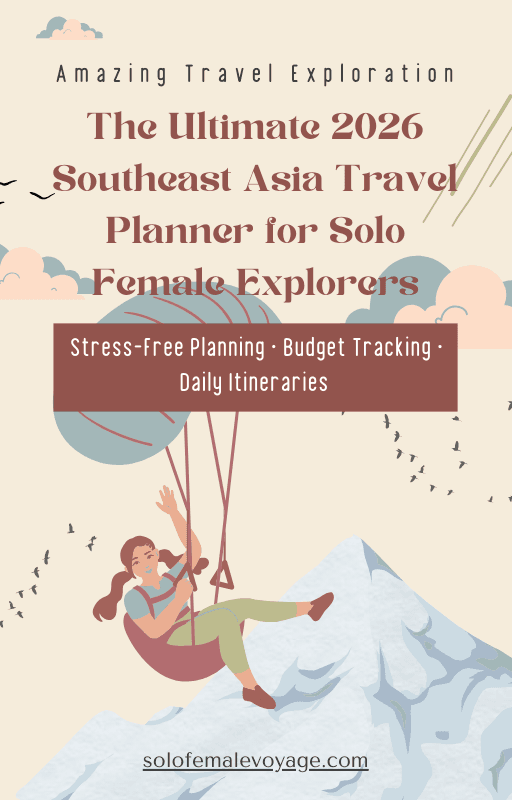
Plan Your 2026 Southeast Asia Adventures with Confidence ✈️
Get my FREE 52-page Travel Planner Bundle — the exact system I use to organize stress-free solo trips across Southeast Asia. Track budgets, create daily itineraries, manage accommodations, and journal your memories all in one beautiful PDF.
- ✓Full 2026 calendar + monthly trip planning pages
- ✓Budget trackers & expense sheets (perfect for SEA pricing)
- ✓Daily itinerary planners, packing lists & safety checklists
- ✓Travel journal pages to capture every incredible moment
🔒 Your email is safe with me. No spam, just travel tips + occasional freebies. Unsubscribe anytime.
Malaysia: Very Safe (8.5/10)
Why it's very safe:
- Modern, developed country
- Low violent crime
- Good infrastructure
- English widely spoken
Main safety concerns:
- Petty theft in Kuala Lumpur
- Some conservative areas require modest dress
- Occasional bag snatching on motorbikes
Cultural consideration: Malaysia is Muslim-majority. Dress more modestly, especially outside Kuala Lumpur.
My experience: 1 month in Malaysia. Felt very safe everywhere. Kuala Lumpur felt like any modern city—normal urban awareness was needed.
Best for: Travelers wanting cultural diversity, modern amenities, great food
Bali, Indonesia: Moderately Safe with Cautions (7.5/10)
Why caution is needed:
- Tourist areas are very safe, but...
- Drink spiking happens in party areas (Seminyak, Canggu clubs)
- Sexual harassment is more common on beaches.
- Scooter accidents are THE biggest danger.
- Some sketchy areas after dark.
Main safety concerns:
- Scooter accidents (seriously—this is #1 danger)
- Drink tampering at beach clubs
- Aggressive beach vendors and massage offers
- Theft from unlocked accommodations
- Tourist scams (fake tours, overcharging)
My experience: 5 weeks in Bali. Had my drink watched closely by a bartender who noticed someone trying to spike it. Witnessed multiple scooter accidents. Felt safe in Ubud, more cautious in Seminyak at night.
Safety tips specific to Bali:
- NEVER drink and ride a scooter (rent a car with a driver).
- Never accept drinks from strangers at beach clubs
- Stay in well-reviewed accommodations with good locks
- Avoid isolated beaches at night
- Get proper scooter insurance if you must ride
Best for: Experienced travelers, yoga/wellness seekers, digital nomads (in Canggu/Ubud)
Cambodia: Moderately Safe (7/10)
Why extra awareness is needed:
- Less developed tourism infrastructure
- Higher petty crime rates than Thailand/Vietnam
- Some areas have limited police presence
- Drink spiking in Siem Reap bars (rare but real)
Main safety concerns:
- Bag snatching (especially in Phnom Penh)
- Drink tampering in tourist bars
- Aggressive tuk-tuk drivers
- Scare areas include the Siem Reap tourist area (Pub Street) and Angkor Wat during the daytime. Reason: Siem Reap tourist area (Pub Street), daytime Angkor Wat
Less safe: Late-night Phnom Penh streets, empty areas after dark
My experience: 1 month in Cambodia. Felt safe in tourist areas during More cautious at night than in Thailand/Vietnam. Used Grab exclusively after 9 PM.
Best for: Travelers interested in Angkor Wat, history buffs, and those comfortable with less infrastructure for the day.
Laos: Very Safe (8/10)
Why it's safe:
- Very low crime rates
- Extremely friendly locals
- Less touristy = fewer scams
- Laid-back culture
Main safety concerns:
- Poor medical facilities (medical safety, not crime)
- Adventure activity safety (tubing and zip-lining companies vary)
- Limited English (communication challenges)
- Some border areas to avoid
My experience: 3 weeks in Laos. Felt incredibly safe. Locals were protective and helpful. Biggest "danger" was sketchy tubing operators in Vang Vieng.
Best for: Travelers seeking authentic, off-the-beaten-path experiences
Philippines: Variable Safety (7/10 in tourist areas)
Why it's variable:
- Tourist areas (Palawan, Cebu, Boracay) are quite safe
- Some regions have government travel warnings (Mindanao—avoid)
- Island-by-island safety varies significantly
- English widely spoken (big safety plus)
Main safety concerns:
- Check government advisories before booking
- Some islands are safer than others.
- Petty theft in Manila
- Ferry safety (choose reputable companies)
Safe areas: Palawan, Cebu, Siargao, Boracay
Avoid: Mindanao (government warnings), some southern islands
My experience: 1 month in the Philippines (Palawan, Cebu, and Siargao). Felt safe in tourist areas. Locals are incredibly friendly and helpful.
Best for: Beach lovers, divers, English speakers
The Real Safety Risks (What Actually Happens)
Let me break down actual risks with honest likelihood and severity ratings:
| Risk Type | Likelihood | Severity | Prevention Difficulty | My Experience (2+ years) | Should You Worry? |
|---|---|---|---|---|---|
| Petty Theft (pickpocketing, phone theft) | 🔴 High (30-40%) | 🟢 Low (replaceable) | Easy | Lost phone once | Moderate - easy to prevent |
| Tourist Scams (taxi, fake tours) | 🔴 Very High (60%+) | 🟡 Low-Medium (money loss) | Easy | Countless attempts | Low - annoying, not dangerous |
| Sexual Harassment (catcalling, comments) | 🟡 Medium (40-50%) | 🟡 Low-Medium (uncomfortable) | Medium | Occasionally | Low - usually ignorable |
| Traffic Accidents (scooter, crossing streets) | 🟡 Low-Medium (5-10%) | 🔴 Medium-High (injuries) | Medium | Witnessed many | HIGH - actual biggest danger |
| Food Poisoning (street food, water) | 🟡 Medium-High (60-70%) | 🟢 Low (recoverable) | Easy | Twice (mild) | Low - unpleasant but manageable |
| Drink Spiking (clubs, parties) | 🟢 Low (5-10% in party areas) | 🔴 High (medical danger) | Easy | Close call once | Moderate in party areas |
| Hostel Theft (roommates, unlocked rooms) | 🟡 Low-Medium (10-20%) | 🟢 Low (replaceable) | Very Easy | Never (used lockers) | Low - lockers prevent |
| Physical/Sexual Assault (violent crime) | 🟢 Very Low (<1%) | 🔴 Extreme | Medium | Never encountered | Low - extremely rare |
| Health Emergency (dengue, infections) | 🟡 Low-Medium (2-5% dengue) | 🟡 Medium (treatable) | Medium | Minor only | Low-Medium - get insurance |
| Being Followed (stalking behavior) | 🟢 Low (5-10%) | 🟡 Medium (scary but escapable) | Medium | Twice (handled it) | Low - know how to respond |
Likelihood Scale:
- Very Low: <5% of travelers experience
- Low: 5-15% experience
- Low-Medium: 15-30% experience
- Medium: 30-50% experience
- High: 50-70% experience
- Very High: 70%+ encounter
Severity Scale:
- Low: Annoying, minimal impact, replaceable losses
- Low-Medium: Uncomfortable, temporary impact
- Medium: Significant but manageable impact
- Medium-High: Serious impact requiring intervention
- High-Extreme: Life-threatening or traumatic
The Big Takeaway: The things most likely to happen (scams, petty theft) are least dangerous. The things least likely to happen (assault) are what people fear most.
Your actual biggest danger? Traffic accidents occur when people rent scooters without prior experience.
Focus your energy on: Using lockers, watching drinks in party areas, avoiding scooters if inexperienced, having insurance, and trusting your gut. ```
Risk #1: Petty Theft (MOST COMMON)
What it includes:
- Pickpocketing in crowded markets/transport
- Bag snatching (motorbike drive-by)
- Phone/wallet theft
- Hostel dormmate theft
Likelihood: Medium-High (30-40% of long-term travelers experience it)
Severity: Low (annoying; stuff is replaceable)
My experience: Phone pickpocketed in Bangkok market. I was distracted taking photos with my phone out. Gone in seconds. Cost: $200 replacement (covered by insurance).
Prevention strategies:
- Cross-body bag held in front in crowds
- Keep valuables on the building side of the sidewalk (not the street side).
- Use hostel lockers ALWAYS
- Never leave phone on restaurant tables
- Don't count money in public
- Keep backpack on front in very crowded areas
- Be extra alert in: Busy markets, crowded buses, tourist scams areas
Risk #2: Tourist Scams (VERY COMMON)
What it includes:
- Taxi meter "broken" or running fast
- Tuk-tuk taking you to gem shops
- "Temple closed today" scams
- Fake tour operators
- Overcharging foreigners
Likelihood: High (60%+ encounter scam attempts)
Severity: Low (lose money, not physically dangerous)
My experience: I Fell for the "Grand Palace closed" scam my first week in Bangkok. Tuk-tuk driver took me to an overpriced "gem factory." I wasted three hours, felt foolish, and learned my lesson.
Prevention strategies:
- Use Grab/Gojek (never unmarked taxis)
- Book tours through Hostelworld/GetYourGuide
- If deal seems too good, it's a scam
- Ignore friendly strangers near tourist sights
- Verify temple hours on official websites
- Never follow tuk-tuk drivers to "better" places
- Walk away from high-pressure sales
The good news: Scams are annoying but not dangerous. You lose money or time, not safety.
Risk #3: Sexual Harassment (COMMON but Usually Minor)
What it includes:
- Catcalling
- Unwanted staring
- Inappropriate comments
- Unwanted touching in crowds (rare but happens)
- Aggressive advances
Likelihood: Medium (40-50% experience some level)
Severity: Low-Medium (uncomfortable, rarely escalates to danger)
Where it's worse: Tourist party areas (Khao San Road, Full Moon Party, Bali beach clubs), late at night, when drinking
My experience: Catcalled occasionally in tourist areas. Mostly ignorable. Once I had a drunk guy follow me in Bali—I went into a busy restaurant, told staff, and they made him leave. Handled.
Previous experience: Itegies:
- Dress modestly (especially outside beach areas)
- Firm "No" and walk away (don't engage)
- Don't smile or be polite to aggressive men (be direct)
- Avoid late nights in bars/clubs alone
- Go out with hostel friends
- If someone makes you uncomfortable, make a scene (attract attention)
- Tell hostel staff about creepy guys (warn other women)
Important context: Harassment in Southeast Asia is generally less aggressive than in many Western cities and Latin America. I experienced more street harassment in my U.S. hometown than in 2 years in SEA.
Risk #4: Drink Spiking (RARE BUT SERIOUS)
Where it happens:
- Full Moon Party (Thailand)
- Bali beach clubs (Seminyak, Canggu)
- Siem Reap nightlife (Cambodia)
- Party hostels
Likelihood: Low overall (5-10% in high-risk party areas)
Severity: High (medical danger, assault risk)
A bartender in Bali alerted me to an attempted drink spike while I was preoccupied. d been watching. I thanked him, tipped heavily, and stayed hypervigilant the rest of the night.
Prevention strategies:
- NEVER accept drinks from strangers
- Watch bartender make your drink
- Keep hand over drink (use coaster) in the bathroom.
- Don't leave drinks unattended (even in the bathroom).
- Go out with trusted friends who watch each other and have an emergency exit plan and taxi money. rust your body (feeling suddenly drunk = leave immediately)
- Have emergency exit plan and taxi money
If you suspect spiking:
- Tell friends IMMEDIATELY
- Get to safe place (not alone)
- Go to hospital (don't wait)
- File police report
- Contact the embassy.
Risk #5: Physical/Sexual Assault (VERY RARE)
Likelihood: Very Low (<1% of travelers)
Severity: Extreme
The statistics: Violent crime against tourists in Southeast Asia is statistically rare. I've met thousands of solo female travelers and exactly zero who experienced physical assault in SEA.
However: Rare doesn't mean impossible. Assault happens, usually involving:
- Alcohol (victim and/or perpetrator)
- Late night + isolated location
- Ignoring red flags
Prevention (same as anywhere):
- Never so drunk you can't make decisions
- Don't go to isolated areas with people you don't trust
- Trust your instincts (if something feels wrong, it is)
- Tell someone where you're going
- Have emergency exit plan
- Share location with friend
- Know local emergency numbers
If it happens:
- Get to safety immediately
- Go to the hospital.
- Contact the embassy.
- File police report (for medical/legal purposes)
- Contact emergency contact at home
- Reach out to women's travel community for support
Risk #6: Transportation Accidents (ACTUAL BIGGEST DANGER)
The truth: You're more likely to be injured in a scooter accident than assaulted.
What causes accidents:
- Renting scooters without experience
- Not wearing helmets
- Drunk driving (yourself or others)
- Unfamiliar roads
- Poor road conditions
Likelihood: Low-Medium (5-10% have minor accidents, 1-2% serious)
Severity: Medium-High (injuries, medical costs, trip ruined)
My observation: I Saw multiple scooter accidents in Bali. Tourists with road rash and broken concussions. One girl's trip ended with an $8,000 medical bill.
Prevention:
- DON'T rent scooter if you're not experienced
- If you do observation: Iide: ALWAYS wear helmet, never drunk, start slow
- Use Grab instead of risky transport
- Choose reputable bus companies
- Wear a seatbelt.
- Avoid overnight buses if possible (higher accident rates)
Honestly: Scooter accidents are more dangerous than any crime in SEA.
Risk #7: Health/Medical Emergencies
Common issues:
- Food poisoning (very common, usually mild)
- Dengue fever (2-5% of travelers)
- Infections from cuts
- Dehydration
- Existing conditions flaring up
Likelihood: Medium (60–70% get food poisoning at some point)
Severity: Low-Medium (treatable, rarely serious)
My experience: I Got food poisoning twice in two years. Both times recovered in 24-48 hours with rest and hydration. Although it was not enjoyable, it was manageable.
Pre-experience: I
- Drink only bottled/filtered water
- Street food from busy stalls (high turnover = fresh)
- Hand sanitizer before eating
- Mosquito repellent (dengue prevention)
- Travel insurance for medical coverage
- Know where nearest international hospital is
HONEST TRUTH: My 2+ Years of Solo Travel Safety
What ACTUALLY happened to me:
- ✅ Followed twice (went into busy shop, lost them both times)
- ✅ Pickpocket attempt (caught it, didn't lose anything)
- ✅ Phone stolen once (market distraction, $200 replacement)
- ✅ Countless scam attempts (recognized, walked away)
- ✅ Minor harassment (ignored, moved on)
- ✅ Felt unsafe in hostel once (left immediately, booked new place)
- ✅ Drink closely watched after bartender warning (grateful)
What DIDN'T happen:
- ❌ Physical assault (never)
- ❌ Sexual assault (never)
- ❌ Serious theft (thanks to precautions)
- ❌ Major safety incident (none)
- ❌ Regretted traveling solo (not once)
Reality: I felt safer in Bangkok, Hanoi, and Kuala Lumpur than I do in my U.S. hometown. Preparation and awareness = safe travel.
I made sure to prepare and be aware of my safety expectations.
My Personal Safety Experiences (The Stories That Taught Me)
Let me share the real situations I navigated and what I learned:
Experience 1: Being Followed in Bangkok
What happened: Walking back to my hostel around 11 PM from a night market. Noticed a man following me for 3-4 blocks. He sped up when I sped up and slowed when I slowed.
How I felt: Heart racing, genuinely scared. up and
What I did:
- Didn't go to my hostel (didn't want him to know where I stayed)
- Went into a busy 7-Eleven
- Told the staff, "Someone is following me."
- Staff member walked outside, looked around,
- Follower had left
- Waited 10 minutes inside
- Called Grab to pick me up from 7-Eleven
- Cost 45 baht ($1.25) vs walking
Outcome: Safe. He left when I went public.
Lesson: Trust your gut immediately. Public places are safe havens. Staff WANT to help. Grab is worth any cost when you feel unsafe.
Experience 2: The Unsafe Hostel Guy
What happened: A Guy in my dorm at a hostel in Chiang Mai made me uncomfortable. Asked too many questions about my schedule, followed me, and tried to get me alone.
My gut feeling: Something's wrong. This isn't safe.
What I did:
- Went to reception (didn't go back to room)
- Told staff: "Guy in my dorm is making me uncomfortable. I don't feel safe."
- They moved me to female-only dorm immediately (no charge)
- They warned other female travelers
- Later learned he'd made multiple women uncomfortable
Outcome: Felt safe the rest of the stay. Other women thanked me for reporting.
Cost: $0 (they moved me free)
Lesson: Trust your instincts IMMEDIATELY. Don't wait for "proof" something's wrong. Your safety > being polite. Good hostels would rather move you than have an incident.
Experience 3: Phone Stolen in Market
What happened: Chatuchak Market, Bangkok, taking photos, phone in hand. Someone caused a distraction by bumping into me, and another individual seized my phone from my hand; both quickly vanished into the crowd.
How I felt: Stupid, angry at myself, violated.
What I did:
- Yelled "Thief!" (they were gone, but tried.)
- Reported to police station (for insurance claim)
- Used Find My iPhone (already disabled)
- Cancelled any payment apps
- Bought new phone next day ($200)
- Filed insurance claim (covered)
Outcome: Lost phone, learned expensive lesson.
Lesson: NEVER have a phone out carelessly in crowded markets. Keep it put away or in a very secure cross-body bag held in front. This was a $200 lesson, but it could have been worse if I had brought my passport and all my money.
Experience 4: When Locals Protected Me
What happened: Two drunk Australian guys at a hostel in Hanoi kept trying to get me alone, following me to common areas and making inappropriate remarks.
Who helped: Three Vietnamese hostel staff (all women) noticed I was uncomfortable. Without me even asking, they:
- Sat with me in common area
- Walked me to my room
- Moved me to different floor (away from those guys)
- Reported the guys' behavior
- Checked on me next morning
How I felt: Incredibly grateful, protected, and validated that my discomfort was reasonable.
Outcome: Felt safe; guys protected, and next day.
Lesson: Southeast Asian culture is often very protective of women. Local women especially look out for solo female travelers. Don't be afraid to let people help you.
Experience 5: The "Danger" That Wasn't
What happened: Walking through a quiet Hanoi street at 10 PM. Man on a motorbike slowed down next to me, saying something in Vietnamese. I panicked, thinking he was threatening me.
My reaction: I Clutched my bag, walked faster, my heart pounding, and was ready to run.
What actually happened: He was trying to tell me my backpack was open. He made a zipper motion, pointed at my bag, smiled, and drove away.
How I felt: Foolish, but relieved.
Lesson: Not every interaction is dangerous. Some situations feel scary because we're in unfamiliar places, but locals are often just being helpful. Learn to differentiate real danger from cultural differences and kindness.
But also: It's okay to be cautious. Better to be overly careful than under-careful.
Essential Safety Strategies That Actually Work
Here are the specific strategies that kept me safe for 2+ years:
Accommodation Safety
Choosing safe accommodation:
- Hostelworld rating 8.0+ only
- Read female solo traveler reviews specifically (search "solo female" in reviews)
- Check the Google Maps street view (is the area well-lit and busy?)
- Confirm door/window locks before well-lit and
- Avoid ground floor rooms (break-in risk higher)
- Central, well-populated areas
Once there:
- Use lockers for ALL valuables (passport, laptop, cash, cards)
- Bring your own lock from home ($8 on Amazon)
- Don't leave anything valuable in room unlocked
- Meet people in common areas before inviting to a room.
- If room feels sketchy (bad locks, etc.), request different room or leave
- Trust your gut about roommates
Female-only dorms:
- Worth extra $2-3/night
- Better sleep (less snoring, quieter)
- Less risk of creepy behavior
- More comfortable changing/sleeping
Transportation Safety
Grab/Gojek (use exclusively):
- Shows driver photo and license plate before arrival
- Shares trip details (route, arrival time)
- Rated and reviewed
- Price set upfront (no arguing)
- GPS tracked entire ride
Every single Grab ride I take:
- Check driver photo matches the person.
- Check license plate matches app
- Sit behind driver (harder to trap you)
- Share trip details with friend
- Keep phone in hand with emergency contact ready
- Don't share personal information
What I never do:
- Get in unmarked taxis
- Accept rides from random people
- Use motorbike taxis late at night
- Travel with drivers who seem drunk/aggressive
Buses:
- Book reputable companies (Sinh Tourist, Phuong Trang)
- Aisle seat = easier exit if needed
- Keep valuables on you (not overhead)
- Overnight buses: Arrive prepared with a jacket, as it can be cold.
Going Out Safety
Before going out:
- Tell someone where I'm going
- Share location with trusted friend (WhatsApp live location)
- Have emergency taxi money
- Know address of where I'm going
- Check last train/Grab availability
While out:
- Meet new people in public first (never agree to isolated areas)
- Never accept drinks from strangers (even if it seems rude)
- Watch bartender make my drink
- Keep hand over drink when not drinking
- Go out with hostel friends (safety in numbers)
- Have "escape buddy" who checks in
Alcohol rules:
- Never drink so much I can't make good decisions
- One water between drinks
- Eat before drinking
- Stop before I'm too drunk
- Trust my body (feeling suddenly drunk = leave NOW)
Red flags to leave immediately:
- Someone very pushy about drinking more
- Feeling drunker than you should be
- Friends want to leave and you're alone
- Situation feels wrong
- Someone trying to separate you from the group.
Street Safety
How I walk: with the group.
- Confidently (even when lost)
- Phone away (not distracted)
- Bag on building-side (not street-side)
- Aware of surroundings
- Head up, looking around
What I avoid:
- Dark, empty streets
- Shortcuts through alleys
- Being on phone while walking in sketchy areas
- Wearing expensive jewelry
- Flashing money/electronics
If I feel followed:
- Don't go home (don't reveal where you stay)
- Go into busy shop/restaurant/hotel
- Tell staff
- Call Grab
- Wait until follower leaves
- Take different route home
I always know:
- How to say "help" in local language
- Emergency numbers saved in phone
- Where nearest police station/hospital is
- How to get home (Grab, walking route)
Technology Safety
Phone security:
- Find My iPhone/Android enabled
- Biometric lock (face/fingerprint)
- Emergency contacts saved offline
- Important documents backed up to cloud
- Power bank (keep phone charged)
What I share (and don't):
- ✅ General location with trusted friends
- ✅ Accommodation address with family
- ✅ Travel plans with safety contacts
- ❌ Real-time location on public social media
- ❌ "I'm alone" on public posts
- ❌ When I'm leaving accommodation empty
Apps I use:
- WhatsApp (location sharing, free calling)
- Grab (safe transport)
- Maps.me (offline navigation)
- Find My Friends (share location with trusted people)
- Trail Wallet (if I get robbed, I know exactly what was stolen)
MY ESSENTIAL SAFETY GEAR ($137 total)
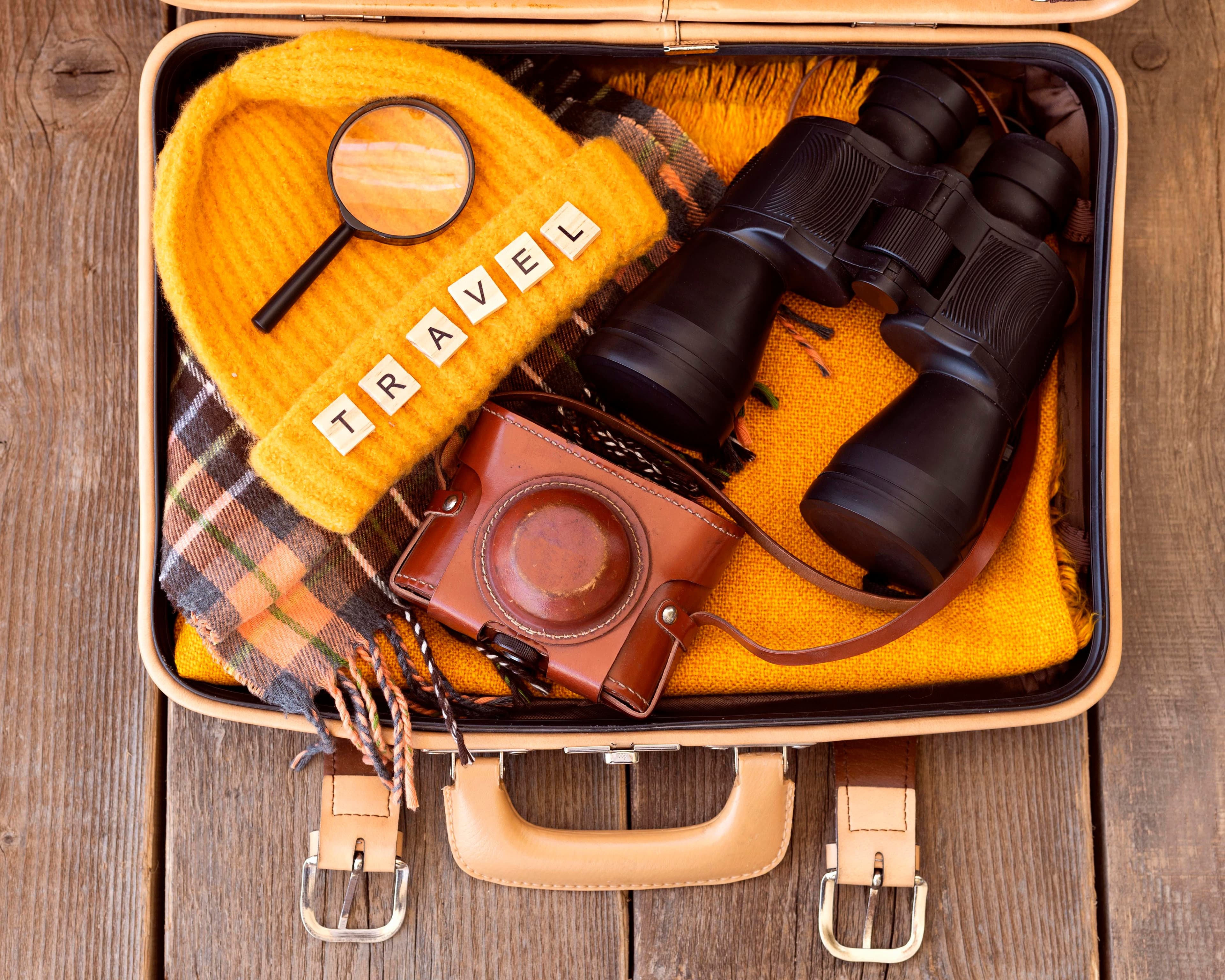
What I actually use daily:
SafetyWing Insurance: $42/month
- Covers medical emergencies, theft, evacuation
- Pays hospitals directly
- 24/7 support
Pacsafe Anti-Theft Backpack: $120
- Slash-proof material
- Locking zippers
- RFID protection
Hidden Money Belt: $15
- Wear under clothes
- Emergency cash + card copy
Addalock Portable Door Lock: $12
- Secure any door
- Peace of mind in sketchy hostels
Power Bank 20,000 mAh: $35
- Keep phone charged
- Essential for emergencies
Whistle on Keychain: $5
- Attract attention if needed
- Loud, lightweight
Total: $137 + $42/month insurance = Peace of mind
What I DON'T use:
- Expensive GPS trackers (phone works)
- Elaborate security systems (too heavy)
- Fake wallets (I just use common sense)
Simple, practical tools work best.
What to Do in Emergency Situations
If You're Being Followed
Don't:
- Go to your accommodation
- Go to isolated areas
- Engage with followers.
Do:
- Go into busy shop/restaurant immediately
- Tell staff "Someone is following me."
- Stay until follower leaves
- Call Grab (don't walk)
- Take different route home
- Report to hostel staff (warn other women)
If Someone Grabs Your Bag
Remember: Stuff is replaceable. You're not.
Do:
- Let the bag go (don't fight)
- Yell loudly (attract attention)
- Note description if safe to do so
- Report to police (for insurance)
- Cancel all cards immediately
- Don't: contact embassy if the passport is stolen
Don't: the passport is
- Chase the thief
- Put yourself in danger for belongings
If You Feel Unsafe in Accommodation
Trust your gut immediately.
Do:
- Leave (your safety > lost deposit)
- Go to 24-hour cafe/restaurant
- Book new accommodation on the phone.
- Take Grab to new place
- Report to booking platform
I've done this once. Cost me $15 lost deposit. Worth it for safety and peace of mind.
If Your Drink Was Spiked
Symptoms:
- Suddenly very drunk
- Dizzy, confused
- Time gaps
- Can't stand/walk
Do immediately:
- Tell friends NOW
- Get to hospital (don't wait to "see if it gets worse")
- Don't accept rides from strangers
- Keep friend with you always
- File police report
- Contact the embassy.
Prevention is easier than dealing with the aftermath. Always watch your drink.
If Harassed
Verbal harassment (catcalling, comments):
- Ignore completely (don't engage)
- Walk away confidently
- Don't make eye contact
Physical harassment (touching, following):
- Loud "NO!" or "STOP!"
- Make a scene (people will help)
- Go into busy area
- Tell staff/security
- Call Grab
- Report to the hostel.
Never:
- Try to be polite
- Apologize
- Go to isolated area with them
Self-Defense Basics for Solo Female Travelers
Most important: Verbal self-defense
What works:
- Firm, loud "NO!" (in English or local language)
- Don't smile, don't apologize, don't explain
- Make eye contact briefly, then walk away
- Project confidence (even if you're scared)
Body language:
- Stand tall
- Shoulders back
- Walk purposefully
- Make yourself "big," yourself "big," "big," not small
Situational awareness (best defense):
Always know:
- Where exits are
- Who's around you
- How to get help quickly
- Your surroundings
Trust your gut:
- If situation feels wrong, it probably is
- Don't talk yourself out of instincts
- Better to overreact than underreact.
Physical self-defense (last resort):
If you must fight:
- Target vulnerable areas: eyes, nose, throat, groin, knees
- Strike HARD and RUN immediately
- Don't stay to fight
- Scream while defending
Use what you have:
- Keys between fingers
- Water bottle as weapon
- Pen to strike
- Bag to swing
Goal: ESCAPE, not win
I'm a certified self-defense instructor. Here's what I teach:
- Awareness prevents 95% of situations
- Verbal defense works in most cases
- Physical defense is absolute last resort
- Your goal is always escape, not fight
Best self-defense: Avoiding dangerous situations entirely.
REAL STORY: The Time I Actually Felt Unsafe
Situation: While staying at a hostel in Siem Reap, a man in my dorm made me feel uncomfortable. Asked where I was going, followed me downstairs, and tried to get me to go out alone with him. Other women were avoiding him.
My gut: Something's downstairs; he isn't safe.
What I did:
- Went to reception (public area, didn't go back to room alone)
- Told staff: "I feel unsafe. Guy in my dorm is making me and other women uncomfortable."
- They moved me to female-only dorm immediately (free)
- They warned other female travelers
- Later learned he'd made multiple complaints
Cost: $0 (they moved me free)
Outcome: Felt safe the rest of the stay. He checked out the next day.
LESSON: Trust your instincts IMMEDIATELY. Don't wait for "proof." Your safety > being polite. Good hostels would rather move you than have an incident.
If you feel unsafe, LEAVE. Book a new place, lose the deposit, and move on. Your gut is usually right.
Cultural Safety: Understanding Local Context
Understanding culture = staying safer

Dress Code Considerations
Thailand:
- Cover shoulders/knees in temples
- Otherwise casual/normal
- Beaches: bikinis fine
Vietnam:
- More conservative than Thailand
- Cover shoulders/knees in rural areas
- Cities more relaxed
Bali:
- Temple attire: Sarong, covered shoulders
- Beaches: Normal swimwear
- Outside beaches: Cover up
Muslim-majority areas (Malaysia, parts of Indonesia):
- Cover shoulders, knees, cleavage
- No shorts/tank tops in conservative areas
- Respect prayer times
General rule: Dress more conservatively, and you'll get less harassment and more respect
Cultural Behaviors That Help
Removing shoes:
- Temples, homes, some shops
- Watch what locals do
Body language:
- Smile defuses tension
- Wai (Thai greeting) shows respect
- Polite but firm when saying no
Understanding helps because:
- Locals judge tourists by behavior
- Respecting culture = more respect back
- Cultural mistakes can create unsafe situations
- Locals protect respectful travelers
Managing Fear vs Actual Risk
Let's talk about fear.
Understanding Your Fearfriends, and
Your fear is valid. Your parents, friends, and partner—they're scared because they love you.
But: Their fear is based on news stories, not statistics. Media sensationalizes rare events. You hear about the one assault, not the friends and safe trips.
Reality check:
- Your hometown probably has higher crime rates
- You manage risks at home without giving them much thought.
- Southeast Asia is statistically safer
- Millions of women travel solo safely every year
Fear vs Risk
Feeling unsafe ≠ being unsafe
Some situations FEEL scary but ARE safe:
- Crowded markets (just chaotic, not dangerous)
- Motorbike traffic (crazy but locals manage)
- Night markets (busy = safe)
- Friendly locals approaching (mostly genuine)
Some situations FEEL fine but ARE risky:
- Accepting drinks from strangers
- Going to isolated beaches alone at night
- Getting very drunk with people you just met
- Ignoring your gut because you don't want to be rude
Learn to calibrate your fear meter with experience.
Building Confidence
Start safe, expand gradually:
- Begin in tourist-heavy areas (Bangkok, Chiang Mai)
- Stay in highly-rated hostels
- Take Grab everywhere at first
- Join group tours initially
- Make hostel friends
- Gradually take more independence
Success builds confidence:
- This was my first time going out to dinner alone!
- It's your first time navigating alone.
- It's also the first time you've dealt with an attempted scam.
- Each success makes you braver
After 2 weeks: You'll feel like a different person. able, confident, aware.
Mental Health While traveling.
It's okay to:
- I feel scared sometimes.
- Video call home when anxious
- Take rest days
- Stay in your comfort zone some days
- Reach out to travel community
Warning signs you need support:
- Constant anxiety preventing enjoyment
- Not leaving hostel due to fear
- Panic attacks
- Not sleeping due to worry
If this happens:
- Talk to other solo female travelers
- Video call a trusted friend/family member.
- Consider therapy apps (BetterHelp works internationally)
- Move to "easier" country temporarily
- Take a break if needed
Your mental health matters as much as physical safety.
What to Tell Worried Family and Friends
This is hard. Your family is scared because they love you.
How to Reassure Them
Share your safety plan:
- "I have travel insurance."
- "I'll check in daily."
- "Here's where I'm staying" (send accommodation details.)
- "I've researched thoroughly."
- "Other women do this safely—here's proof." (show blogs/vlogs)
Provide context:
- "Southeast Asia has lower crime rates than [hometown]."
- "Tourist areas are very safe."
- "I'll be with other travelers often."
- "Millions of women travel solo there."
Set boundaries:
- "I understand your concern."
- "I've made my
- "I need your support, not more fear."
- "I'll prove it's safe by staying safe."
What NOT to Say
❌ "Don't worry!" (dismissive of their feelings)
❌ "Nothing will happen" (unrealistic promise)
❌ "Stop being paranoid" (invalidating)
❌ "You just don't understand" (condescending)
What TO Say
✅ "I understand why you're worried—I was too."
✅ "Here's my detailed safety plan."
✅ "I'll check in every day so you know I'm safe."
✅ "Statistically, this is safer than [Western city]."
✅ "I need you to trust that I'll be smart."
✅ "Your support means everything to me."
For Partners/Spouses
This is even harder.
Address their specific concerns:
- Safety (share this entire guide)
- Loneliness (you'll make friends)
- Relationship impact (stay connected via video)
- Jealousy (be transparent about plans)
Compromises that work:
- Check in twice daily
- Video call regularly
- Share detailed itinerary
- Start with shorter trip (prove it's safe)
- Invite them to visit
But also: You can't live your life controlled by someone else's fear. Your dreams matter too.
DON'T MAKE MY MISTAKE: I Didn't Buy Travel Insurance My First Trip
What happened: I Got food poisoning in Thailand my first week. Needed hospital. Bill: $1,200 for IV fluids, medication, and overnight stay.
I didn't have insurance yet (I was planning to buy it "soon").
Had to pay cash: Wiped out my first month's budget. Had to cut the trip short by 2 weeks to afford it.
Lesson: Buy insurance BEFORE you leave home. Not after you're sick.
What insurance covers:
- Medical emergencies (hospital, doctors, medicine)
- Medical evacuation (if you need to get home)
- Theft (phone, laptop, passport replacement)
- Trip cancellation (if emergency at home)
- 24/7 support line
I now use SafetyWing: $42/month, covers everything, works in 185+ countries, and pays hospitals directly (no cash upfront needed).
Cost comparison: countries, and
- Insurance for 6 months: $252
- ONE hospital visit without insurance: $1,200+
Math is simple. Get insurance.
[SafetyWing Travel Insurance - AFFILIATE LINK]
THE TRUTH ABOUT SOLO FEMALE TRAVEL SAFETY
What I wish I'd known before I was too scared to book my flight:
❌ MYTH: "It's too dangerous for women alone."
✅ REALITY: Southeast Asia is statistically safer than many Western cities
❌ MYTH: "You'll definitely get robbed/assaulted."
✅ REALITY: Most common "danger" is taxi scam or pickpocket attempt (annoying, not life-threatening)
❌ MYTH: "You need to be fearless."
✅ REALITY: You need to be SMART, not fearless (awareness + preparation = safety)
❌ MYTH: "Solo female travel is reckless."
✅ REALITY: An emergency occurrence of women do this safely every year (you can too)
❌ MYTH: "Your family is right to stop you."
✅ REALITY: Their fear is based on love, not facts. You can travel safely despite their worry.
My promise: If you follow the safety strategies in this guide, you will be fine. Not perfect-safe (nowhere is), but absolutely fine.
The only thing you'll regret is not going sooner.
Frequently Asked Questions About Solo Female Travel Safety
Ready to Travel Safely and Confidently?
Key Takeaways:
- Southeast Asia is safer than most people think—statistically safer than many Western cities for violent crime
- Real risks exist but are manageable—petty theft, scams, minor harassment with proper precautions
- Trust your instincts always—if something feels wrong, it probably is; leave immediately
- Preparation equals confidence equals safety—insurance, safety gear, awareness strategies work
- Millions of women travel here safely annually—you're not doing anything crazy or reckless
- Start smart, build confidence gradually—Thailand first, then branch out
- Your biggest risk is probably not going—and regretting missed experiences
I almost didn't take that first trip. Fear nearly won. My mom cried at the airport. My friends thought I was being reckless.
Two years later, I've navigated 20+ cities safely, made lifelong friends, gained confidence I never knew I could have, and proven that solo female travel in Southeast Asia is not just possible—it's incredible.
The dangers are real but manageable. The rewards are immeasurable.
You don't need to be fearless. You need to be informed, prepared, and willing to trust yourself.
Your family's fear is based on love. Your dreams are based on the life you want to live.
The world is waiting for you. And you're more capable than you know.
Plan Your 2026 Southeast Asia Adventures with Confidence ✈️
Get my FREE 52-page Travel Planner Bundle — the exact system I use to organize stress-free solo trips across Southeast Asia. Track budgets, create daily itineraries, manage accommodations, and journal your memories all in one beautiful PDF.
- ✓Full 2026 calendar + monthly trip planning pages
- ✓Budget trackers & expense sheets (perfect for SEA pricing)
- ✓Daily itinerary planners, packing lists & safety checklists
- ✓Travel journal pages to capture every incredible moment
🔒 Your email is safe with me. No spam, just travel tips + occasional freebies. Unsubscribe anytime.