42 MINS READ
Is Vietnam Safe for Solo Female Travelers? Honest Guide
Post by Sophie Chen
Disclosure: This post may contain affiliate links, which means I earn a small commission at no extra cost to you if you book through my links. I only recommend services I've personally used and trust. Read More
I was terrified to travel Vietnam alone. My family thought I was crazy. "The traffic!" "The scams!" "Solo women aren't safe there!"
Two months later, I felt safer walking Hanoi's Old Quarter at midnight than I do in my Western home city at 9pm.
Here's what Vietnam safety is ACTUALLY like.
Is Vietnam safe for solo female travelers? YES. Vietnam has a safety rating of 8/10 for solo women—safer than most Western cities for violent crime. But it has unique challenges you should know about.
This guide covers real safety concerns (traffic, scams, harassment), city-by-city ratings, what to actually worry about vs. ignore, and practical strategies I used daily for 2+ months.
VIETNAM SAFETY RATING: 8/10 FOR SOLO WOMEN
What This Means:
✅ VERY SAFE (safer than most Western cities)
✅ Low violent crime
✅ Tourist-friendly culture
✅ Large solo female traveler community
✅ Good infrastructure
But Has Challenges:
⚠️ Traffic (actual danger if rent motorbike)
⚠️ Common scams (annoying, not dangerous)
⚠️ Language barriers
⚠️ Some harassment (uncomfortable, rarely escalates)
Comparison:
- Safer than: USA, Mexico, Egypt, India
- Similar to: Thailand, Taiwan, Malaysia
- Less safe than: Japan, Singapore
My Honest Take:
I felt more secure strolling through Hanoi at midnight compared to my home city in the West at 9pm. The "dangers" are mostly annoyances (scams, vendors), not threats to physical safety.
ONE exception: Traffic/motorbikes = genuinely risky
Bottom Line:
If you can handle minor annoyances and don't rent motorbikes, Vietnam is VERY safe.
Don't let fear stop you. ✈️
Is Vietnam Safe? The Direct Answer
SHORT ANSWER: YES (8/10 Safety Rating)
Vietnam IS Safe Because:
✅ Very low violent crime (safer than most Western cities statistically)
✅ Tourist-friendly culture (locals generally helpful, protective of solo women)
✅ Strong police presence (especially in tourist areas)
✅ Well-lit major cities (Hanoi, HCMC, Hoi An safe at night)
✅ Large solo traveler community (you're never actually alone)
✅ Tourist infrastructure (English signs in major areas, tourist police)
✅ Low rates of serious assault (extremely rare against tourists)
✅ Economic incentive to protect tourists (tourism = major industry)
Statistical Comparison:
- Violent crime rate: Lower than USA, UK, France, Australia
- Tourist incidents: Primarily petty theft and scams (financial, not physical)
- Solo female traveler population: Thousands travel Vietnam safely every year
- My experience: 2+ months solo, zero physical safety incidents
BUT Vietnam Has Challenges:
⚠️ Traffic is genuinely dangerous (motorbike accidents = actual risk)
⚠️ Scams are VERY common (annoying but not dangerous—financial only)
⚠️ Some harassment (staring, comments—uncomfortable but typically not physical)
⚠️ Language barriers (complicate emergencies, getting help)
⚠️ Less tourist infrastructure than Thailand (requires more self-reliance)
⚠️ Cultural misunderstandings may arise because certain behaviors can appear aggressive, even though they are not intended to be.
COMPARISON TO OTHER COUNTRIES:
Vietnam (8/10) is:
- Safer than: Most major US cities, Mexico, Brazil, parts of Europe
- Similar to: Japan (9/10), Thailand (8.5/10), Taiwan (9/10)
- Less safe than: Singapore (9.5/10), but safer than India (6/10), Egypt (5/10)
My Honest Take:
"I felt safer walking Hanoi's Old Quarter at midnight than I do in my Western home city at 9pm. Violent crime against tourists is extremely rare. The 'dangers' are mostly annoyances (scams, aggressive vendors), not actual threats to your safety.
The ONE exception: Traffic. That's genuinely dangerous. But manageable with awareness."
Vietnam Safety: Quick Comparison
How does Vietnam compare to other popular destinations? Here's the honest breakdown:
| Destination | Solo Female Safety Rating | Main Safety Concerns | Best For | Skip If You Want |
|---|---|---|---|---|
| Vietnam 🇻🇳 | 8/10 | Traffic (motorbikes), scams (annoying), language barriers | Authentic experience, amazing food, budget travel, cultural immersion | Easy mode, English everywhere, zero challenges |
| Thailand 🇹🇭 | 8.5/10 | Party areas late night, some scams, tourist crowds | First-time solo travelers, beaches, ease, infrastructure | Authenticity, fewer tourists |
| Japan 🇯🇵 | 9.5/10 | Virtually none (expense, language in rural areas) | Maximum safety, clean, organized, reliable | Budget travel, spontaneity |
| USA (Major Cities) 🇺🇸 | 6.5/10 | Violent crime (higher than Vietnam!), expensive, homeless issues | English, familiar, variety | Feeling safe at night, affordable travel |
| Indonesia (Bali) 🇮🇩 | 8/10 | Scams, some harassment, motorbike accidents | Beaches, yoga, digital nomad scene | Authentic Indonesia (Bali very touristy) |
Key Takeaway: Vietnam is SAFER than most Western cities for violent crime but has more minor annoyances (scams, vendors). If you can handle Thailand, you can handle Vietnam!
Real Risks vs Perceived Fears (What to Actually Worry About)
I will be frank about the differences between what is truly dangerous and what merely evokes fear.
CATEGORY 1: WILL PROBABLY HAPPEN (Annoying, Not Dangerous)
These are common and frustrating but don't threaten your physical safety:
1. SCAMS (90% of travelers experience at least one)
Taxi/Grab Scams:
- The scam: "Meter broken," long routes, fake Grab drivers
- Frequency: Very common (especially airports, train stations)
- Danger level: 1/10 (financial only, maybe $5-20 loss)
- Solution:
- Use Grab app (price set beforehand)
- Insist on meter or walk away
- Note legitimate taxi companies (Mai Linh, Vinasun)
- Screenshot Grab driver details before getting in
- My experience: "Happened twice. Both times I got out of taxi, called Grab instead. Lost 5 minutes, zero dollars."
Restaurant Overcharging:
- The scam: "Tourist prices" 2-3x local prices, no menu prices
- Frequency: Common in tourist areas
- Danger level: 0.5/10 (pay $8 instead of $3—annoying but minor)
- Solution:
- Ask prices before ordering
- Eat where locals eat (follow the crowds)
- Learn numbers in Vietnamese
- Walk away if uncomfortable
- My experience: "Happened maybe 10 times. I overpaid $50 in total over two months. Frustrating but not dangerous. I have learned to inquire about prices beforehand.
Other Common Scams:
- Fake tour bookings occur when you pay for a tour that does not actually exist.
- Gemstone/silk shop "deals" (overpriced, fake quality)
- Friendly local "shows you around" then demands payment
- Cyclo/xeom rides charging 10x agreed price at end
- "Closed today, I'll take you elsewhere" (usually temples, museums)
Reality Check:
These are ALL financial scams, not physical threats. You might lose $20-50 total over a trip. Annoying Yes. Dangerous? No. Learn to say "No, thank you" firmly and walk away.
2. STREET HARASSMENT / ATTENTION (60-70% of solo women experience)
What It Actually Looks Like:
- Staring: Locals (especially older people in rural areas) stare openly
- Comments: "Hello!" "You beautiful!" "Where you from?" (usually friendly intent)
- Following: Vendors follow you to sell things (not threatening, just aggressive salesmanship).
- Photo requests: Locals (especially kids) want photos with you
Cultural Context:
- Western women are relatively rare outside major tourist areas
- Vietnamese culture = more direct, less personal space boundaries
- Curiosity, not threat (usually)
- Different concepts of personal space
When It Crosses Lines:
- Grabbing/touching (rare but happens)
- Sexual comments (occasional)
- Aggressive following after saying no (uncommon)
- Unwanted physical contact (rare)
Frequency by City:
- Hanoi: Moderate (less in tourist areas, more in local areas more)
- HCMC: Low (more cosmopolitan, Western women common)
- Hoi An: Low (tourist town, used to solo travelers)
- Rural areas: High (foreign women very rare)
Danger level: 3/10 (uncomfortable, annoying, rarely escalates to physical)
How to Handle:
- Firm "No, thank you" in English (they understand tone)
- Keep walking (don't engage)
- Sunglasses + headphones = "don't approach me" signal
- Ignore staring (they're curious, not threatening)
- If truly uncomfortable: Go into a shop/cafe and ask staff for help
My Experience:
"Stared at CONSTANTLY in Hanoi the first week. Felt so uncomfortable. By week 2, I didn't even notice. Handful of annoying vendor followers. ONE guy made me uncomfortable (followed me 3 blocks)—I went into the hotel lobby, and he left. That was the WORST incident in 2 months. Uncomfortable? Sometimes. Dangerous? Never felt in actual danger."
3. PUSHY VENDORS / AGGRESSIVE SALESPEOPLE (80% encounter)
What Happens:
- Street vendors follow you 2-3 blocks trying to sell
- Shop owners grab your arm to pull you inside
- "Just look! No buy! Just look!"
- Persistently solicit customers.
Danger level: 1/10 (super annoying, but not dangerous)
Cultural Context:
- Vietnam = aggressive sales culture (normal, not personal)
- They're trying to make living, not threaten you
- Persistence = business strategy
Solution:
- Firm "No, thank you," and keep walking
- Don't make eye contact with vendors (signals interest)
- Headphones are helpful.
- Don't feel guilty (they do this to everyone)
My Experience:
"First 3 days in Hanoi, vendors made me SO stressed. By day 5, learned to smile, say 'No thank you,' and keep walking. They're not offended. It's just how business works. By week 2, barely noticed."

Plan Your 2026 Southeast Asia Adventures with Confidence ✈️
Get my FREE 52-page Travel Planner Bundle — the exact system I use to organize stress-free solo trips across Southeast Asia. Track budgets, create daily itineraries, manage accommodations, and journal your memories all in one beautiful PDF.
- ✓Full 2026 calendar + monthly trip planning pages
- ✓Budget trackers & expense sheets (perfect for SEA pricing)
- ✓Daily itinerary planners, packing lists & safety checklists
- ✓Travel journal pages to capture every incredible moment
🔒 Your email is safe with me. No spam, just travel tips + occasional freebies. Unsubscribe anytime.
CATEGORY 2: MIGHT HAPPEN (Uncommon, Manageable)
4. PETTY THEFT (15-20% of long-term travelers)
Types:
- Bag snatching: Motorbike grabs bag while driving past (rare but happens)
- Pickpocketing: Crowded markets, buses (uncommon, mostly targets men's wallets)
- Hostel theft: Dorm mates (rare in decent hostels)
Most Common Scenario:
Motorbike grabs phone/bag from passenger side while you're walking/sitting at cafe
Danger level: 4/10 (lose items, but not physically harmed)
Prevention:
- Cross-body bag in FRONT when walking near street
- Don't use your phone while walking on the street, as it can lead to motorbike theft.
- Cafe: Sit away from the street; don't leave phone on the table.
- Hostels: Always use lockers (bring your own padlock).
- Valuables: Money belt, leave in hostel; don't carry everything
My Experience:
"Never personally robbed in Vietnam. But I saw three travelers who had their phones grabbed by motorcycles. All were holding phones near the street or sitting at cafe tables street-side. I was paranoid about this and kept my phone in a bag near the street. Zero issues."
5. FOOD/WATER ILLNESS (30-40% get at least mild stomach issues)
Types:
- Mild stomach upset (1-2 days, uncomfortable but not serious)
- Food poisoning (3-5 days, rough but manageable)
- Serious illness (rare—dysentery, etc.)
Danger level: 3/10 (uncomfortable, ruins a few days, rarely serious)
Common Causes:
- Ice from tap water
- Unwashed produce
- Seafood (especially shellfish)
- Adjusting to new bacteria
- Hygiene standards differ
Prevention:
- Drink bottled water only
- Ice: Usually safe in cities (made from filtered water); skip in rural areas
- Street food: Eat where it's busy (fast turnover = fresh)
- Wash hands frequently
- Avoid raw produce in rural areas
- Seafood: Well-cooked only
What to Do If Sick:
- Pharmacies everywhere (pharmacists help without prescription)
- Imodium for short-term relief
- Oral rehydration salts
- Serious: Go to hospital (Western hospitals in Hanoi/HCMC)
My Experience:
"I experienced mild stomach upset twice within a span of two months." Once from iced coffee (drank anyway, no regrets), once from an unknown cause. Each time: 1-2 days uncomfortable, Imodium, hydration, fine after. Not fun but not dangerous. Worth it for amazing food!"
CATEGORY 3: UNLIKELY BUT SERIOUS (Rare, Important to Know)
6. MOTORBIKE ACCIDENTS (2-5% of travelers who rent motorbikes)
This is THE real physical danger in Vietnam.
Statistics:
- Leading cause of tourist injuries/deaths in Vietnam
- Usually: Falls, collisions, road rash, broken bones
- Occasionally: Serious head injuries, death
Why Dangerous:
- Vietnamese traffic is chaotic (motorbikes dominate, few rules followed)
- Tourists are inexperienced with Vietnamese driving culture
- Roads = poor condition (potholes, gravel, animals)
- Medical care = far from Western standards in rural areas
- Travel insurance often DOESN'T cover motorbike accidents
Danger level: 7-9/10 IF you rent motorbike (but 0/10 if you don't)
My Stance: DON'T RENT UNLESS:
- You're experienced motorbike rider at home
- You have Vietnamese motorbike license (yes, legally required)
- You have insurance that covers motorbikes (most don't!)
- You're confident in chaotic traffic
- You've researched routes, road conditions
Alternative:
- Grab for city transport
- Hire driver for day trips (cheap, safe)
- Buses/trains between cities
- Bicycle in Hoi An (flat, small town)
My Experience:
"I did NOT rent a motorbike despite everyone saying, 'you have to!' Friend rented, crashed Day 2 in Hanoi (minor fall, road rash, $400 hospital bill, insurance didn't cover). Watching Vietnamese traffic convinced me it's not worth it. Used Grab everywhere—cost maybe $100 extra over 2 months vs. motorbike. Worth it for peace of mind and functioning limbs."
MOTORBIKES: THE ACTUAL DANGER IN VIETNAM
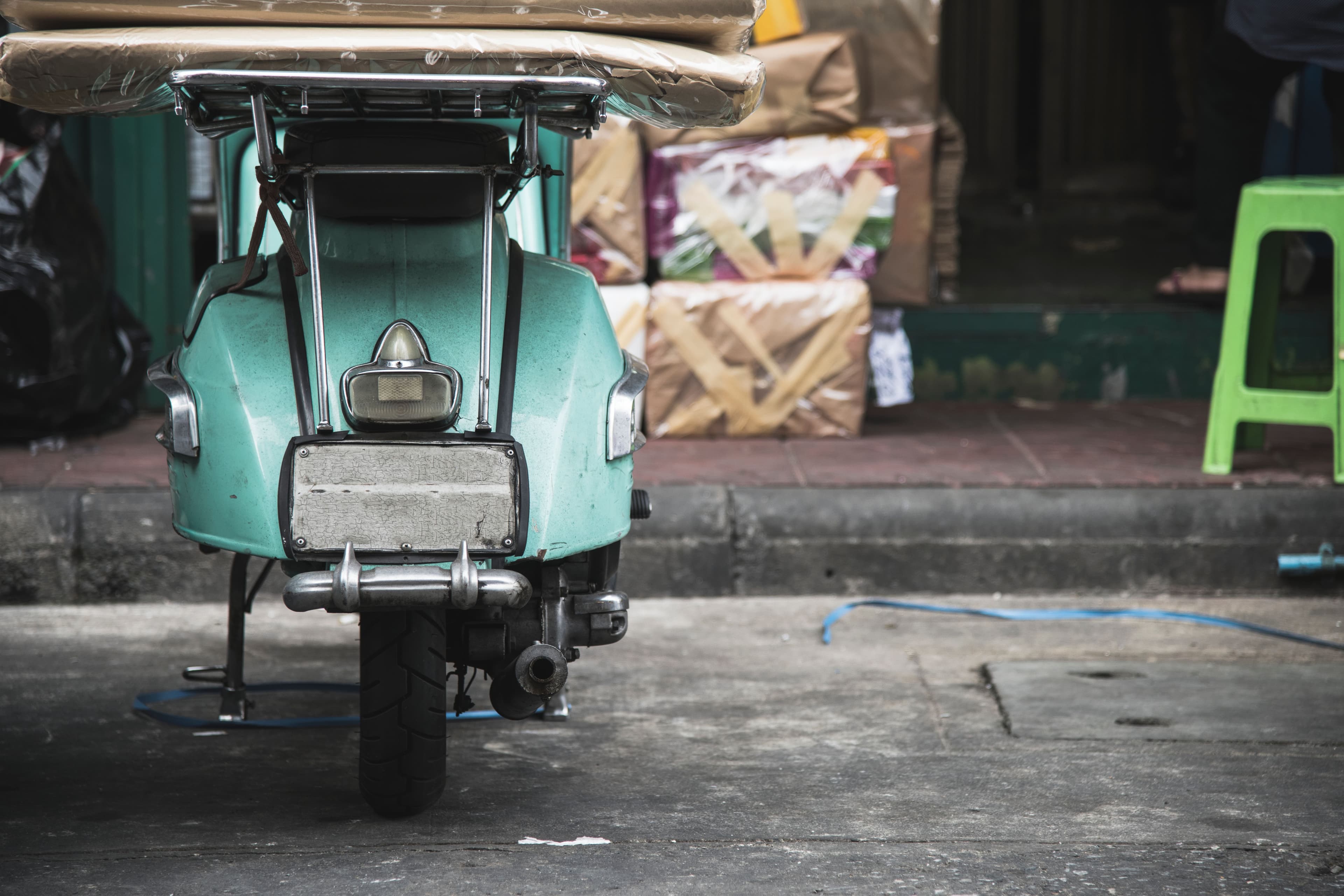
This is THE one thing that's genuinely risky.
Statistics:
- Leading cause of tourist injuries/deaths in Vietnam
- Thousands of accidents per year
- Hospital bills: $500-$5,000+ (insurance often doesn't cover)
My Friend's Experience:
Rented motorbike in Hanoi "for authentic experience"
Day 2: Hit gravel on turn, fell
Result:
- Broken wrist
- Road rash (took 3 weeks to heal)
- Hospital: $1,800 bill
- Insurance: Didn't cover (motorbike exclusion)
- Trip ruined: Flew home early
Total cost: $3,500 + ruined trip
"Not worth it. Should have just used Grab."
Why Vietnamese Motorbikes Are Dangerous:
🚦 No Traffic Rules Followed:
- Red lights = suggestions
- Lanes = decorative
- Right of way = whoever's faster
🛵 Motorbike Culture:
- 4+ people on one bike (including babies!)
- Drive on sidewalks
- Wrong side of road
- No helmets (despite law)
🛣️ Road Conditions:
- Potholes everywhere
- Gravel randomly
- Animals crossing
- No streetlights in many areas
🏥 Medical Care:
- Rural areas: Basic care only
- Evacuations expensive ($10,000+)
- Western hospitals: Hanoi/HCMC only
💳 Insurance Doesn't Cover:
- Most travel insurance EXCLUDES motorbikes
- Even if you have license
- Read your policy fine print
"But Everyone Rents Motorbikes!"
Yes. And everyone crashes eventually.
Ask any long-term Vietnam traveler: "Do you know someone who crashed?"
Answer: Always yes.
Common injuries:
- Road rash (heals into ugly scars)
- Broken bones (wrist, ankle, collarbone common)
- Head injuries (serious/fatal)
- Infections from road wounds (Vietnam roads = dirty)
ALTERNATIVES (Safe + Cheap):
✅ Grab: $2-5 per ride (cheaper than motorbike rental when you factor in gas, parking, injuries!) ✅ Bicycle: Hoi An perfect (flat, small, safe)
✅ Walking: Hanoi Old Quarter totally walkable
✅ Hire driver: Day trip $30-50 (split with travelers)
✅ Tours: Include transport, guide, safety
My Vietnam Transport Costs:
2 months using Grab/walking/buses: ~$200 total
VS
Friend's motorbike costs: 1-week rental + 1 crash: $1,850 (rental $50 + hospital $1,800)
My Honest Recommendation:
DON'T RENT.
I know it sounds fun. I know everyone's doing it. I know it feels "authentic."
But statistically, it's the most dangerous thing you'll do in Vietnam.
Everything else in Vietnam is very safe. Motorbikes are genuinely risky.
Bottom Line:
Vietnam is VERY safe for solo female travelers. EXCEPT motorbikes. Those are actually dangerous. Choose wisely. 🛵💀
7. SEXUAL ASSAULT (Est. 1-2% based on limited reporting)
Reality Check:
- Vietnam has LOWER sexual assault rates against tourists than many Western countries
- Most incidents involve: Alcohol, isolated situations, misjudging situations
- Stranger assault: Extremely rare
- Acquaintance situations: More common (as everywhere)
Danger level: 9/10 severity IF happens, but 1/10 likelihood
Risk Factors (Reduce These):
- Drinking heavily with strangers
- Going to isolated areas alone at night
- Accepting rides from strangers (not Grab)
- Going to the home/hotel room of someone you just met
- Ignoring gut instinct ("he seems nice but something feels off")
Cultural Context:
- Vietnamese men generally respectful toward women
- Public sexual harassment is rare vs some countries
- Most Vietnamese want to HELP solo women, not harm them
Prevention:
- Trust your gut (always)
- Tell friends where you're going (hostel people, text updates)
- Stay in groups at night (easy to find hostel groups)
- Moderate alcohol (stay in control)
- Avoid isolated areas alone at night
- Use Grab (tracked), not random motos/taxis
- Don't accept rides from strangers
If Something Happens:
- Go to hospital immediately (evidence collection)
- Contact embassy (they have protocols and can help)
- Contact tourist police: 1900 1388
- File police report (for insurance and legal purposes)
- Reach out to hostel staff/friends for support
My Experience:
"I never felt sexually threatened in Vietnam." Walking alone at night in tourist areas felt safer than home. Local men were respectful, helpful, and even protective. One time a guy made me uncomfortable (persistent, following)—I went into a restaurant, told staff, and they made him leave. Locals take care of tourists."
8. ROBBERY/VIOLENT CRIME (<1% of tourists)
This is EXTREMELY RARE in Vietnam.
Statistics:
- Violent crime against tourists = unusual enough to make news
- Vietnam has one of lowest violent crime rates in SE Asia
- Most "robbery" is bag snatching (Category 2), not violent confrontation
Danger level: 10/10 severity, 0.5/10 likelihood
If It Happens:
- Give them what they want (things are replaceable; you're not)
- Don't fight, don't chase
- Report to police (for insurance)
- Contact embassy if needed
Prevention:
- Don't flash expensive items (jewelry, hanging cameras).
- Avoid dark empty streets at night
- Stay in well-lit, populated areas
- Trust your gut (if area feels wrong, leave)
My Honest Assessment:
"You're more likely to be violently robbed in most Western cities than in Vietnam. I never worried about this. Vietnamese culture values hospitality toward guests. Tourists are good for the economy; locals protect you."
Safety by City (Where You'll Actually Travel)
HANOI: 8/10 Safety Rating
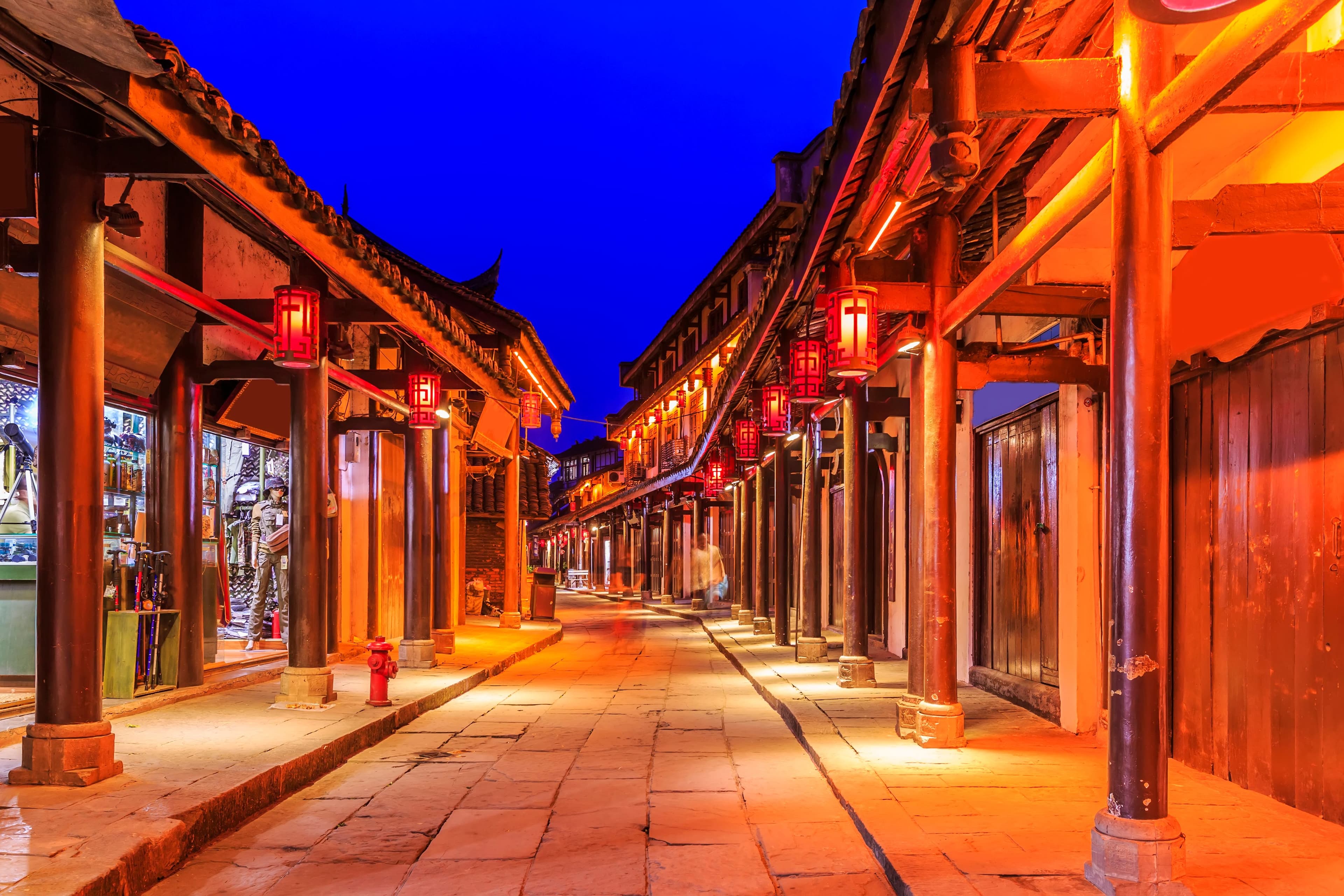
Safe Because:
✅ Heavy police presence in Old Quarter (tourist central)
✅ Well-lit streets at night
✅ Locals protective of tourists (good for business)
✅ Low violent crime
✅ Tourist infrastructure (English signs, tourist police)
Challenges:
⚠️ TRAFFIC (scariest in Vietnam—crossing streets terrifying at first)
⚠️ Scams common (taxi, tours, vendors)
⚠️ Pickpockets in very crowded areas (rare)
⚠️ Can feel overwhelming/chaotic (sensory, not dangerous)
Safest Areas:
- Old Quarter (tourist central, busy = safe)
- Hoan Kiem Lake area (well-lit, patrolled)
- French Quarter (upscale, calm)
- Tay Ho (expat area, westernized)
Be More Careful:
- Bia Hoi Corner late night (drunk tourists = targets)
- Empty streets after midnight
- Motorbike taxis (use Grab instead)
My Hanoi Safety Experience:
"Walked the Old Quarter alone at midnight regularly. Felt completely safe—busy, well-lit, vendors still out, tourists everywhere. Only 'danger' was aggressive vendors (annoying, not threatening). Traffic scared me WAY more than people. Overall felt safer than my Western home city at night."
Tips:
- Learn to cross streets (walk slowly, steadily—they'll go around you)
- Grab random taxis (avoids meter scams)
- Sunglasses and headphones = fewer vendor approaches
- Carry small bills (vendors "never have change")
HO CHI MINH CITY (SAIGON): 8.5/10 Safety Rating
Safe Because:
✅ More cosmopolitan (Western women common)
✅ Less aggressive vendor harassment than Hanoi
✅ Modern infrastructure
✅ Heavy police presence
✅ Well-lit major streets
✅ International crowd (expats, tourists)
Challenges:
⚠️ District 1 late night (drunk tourists, bag snatching)
⚠️ Motorbike bag snatching (more common than Hanoi)
⚠️ Some areas poorly lit at night
⚠️ Spread out city (harder to walk everywhere)
Safest Areas:
- District 1 (tourist central, daytime + early evening)
- District 2 (expat, westernized, very safe)
- District 3 (residential, safe)
Be More Careful:
- Bui Vien late night (backpacker party street—drunk people, bag snatchers)
- Using phone near street (motorbike snatch-and-grab)
- District 4 at night (less touristy, poorly lit)
My HCMC Safety Experience:
"Felt very safe in HCMC. More modern, cosmopolitan than Hanoi. But saw motorbike phone theft happen to tourist at cafe (phone on table street-side, motorbike grabbed it). Made me paranoid about phone placement. Otherwise, walked alone at night in District 1, no issues. Less aggressive vendors than Hanoi = nice change."
Tips:
- Cross-body bag in FRONT walking near streets
- Don't use phone street-side
- Sit away from street at cafes
- Grab everywhere (cheap, safe)
- District 1 great until 11pm-midnight, then quieter
HOI AN: 9/10 Safety Rating (SAFEST)
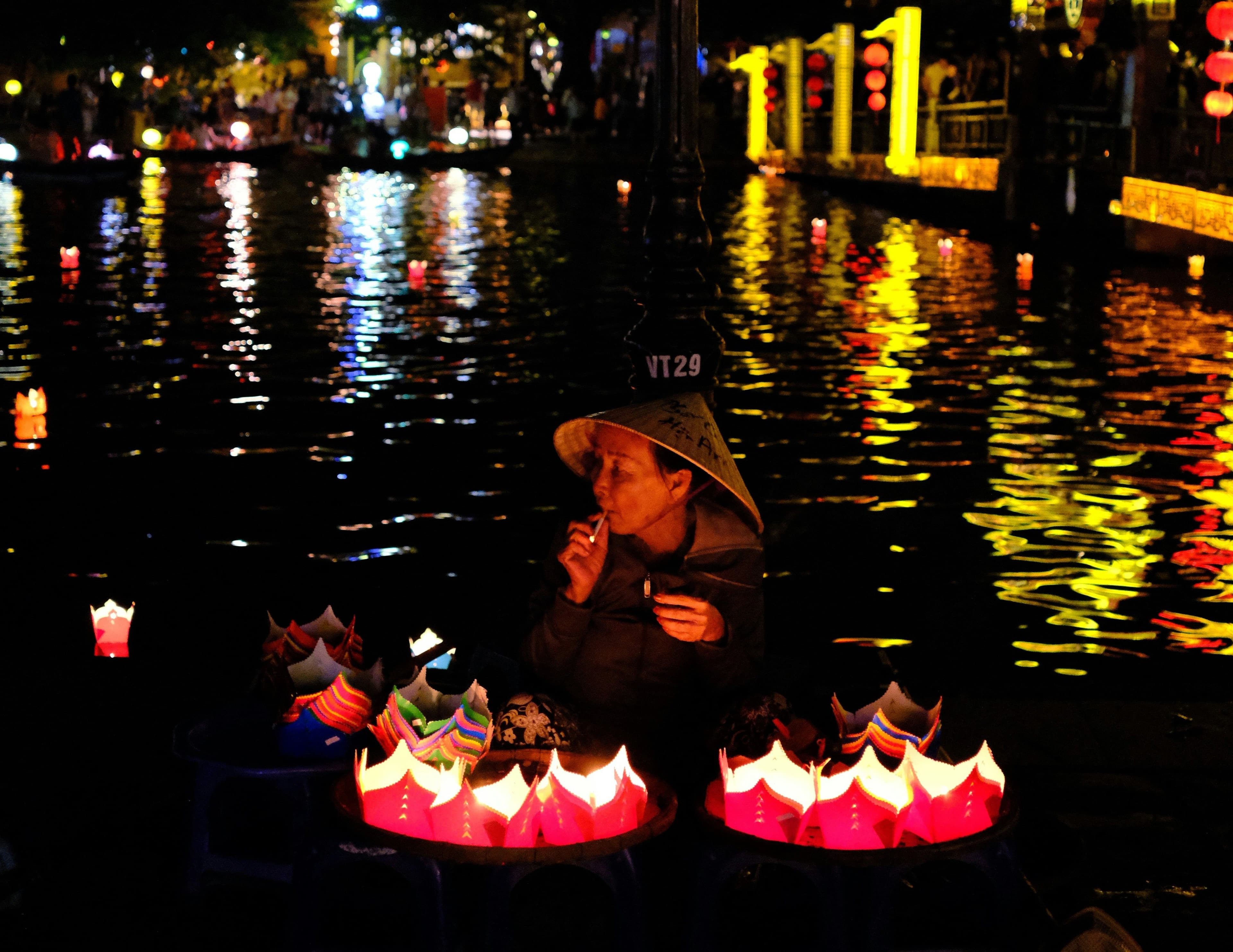
Safe Because:
✅ Small town (everyone knows everyone)
✅ Tourist-dependent economy (locals protective)
✅ Virtually zero violent crime
✅ Bicycle-friendly (less traffic danger)
✅ Well-lit Ancient Town
✅ Family-friendly atmosphere
✅ Strong community feel
Challenges:
⚠️ Tourist scams (tailors, taxis)—minor
⚠️ Occasional petty theft (very rare)
⚠️ Beach areas more isolated at night
My Hoi An Safety Experience:
"Felt 100% safe in Hoi An. Biked around at night alone constantly. Small town = safe town. Locals friendly, helpful, protective. Zero safety concerns. Only 'issue' was paying too much for tailored dress (tourist tax, not dangerous). This is THE place to relax your guard a bit (but still use common sense)."
Tips:
- Still lock up bike/use hostel lockers
- An Bang Beach at night = isolated (go with friends)
- Tailors: Get recommendations, compare prices
- Otherwise: Most relaxed safety-wise in Vietnam
HA LONG BAY: 8/10 Safety Rating
Safe Because:
✅ Tourist boats heavily regulated
✅ Tour groups (safety in numbers)
✅ Staff attentive (liability concerns)
Challenges:
⚠️ Boat safety varies by company (choose reputable!)
⚠️ Seasickness (not dangerous but miserable)
⚠️ Scam tours (book reputable companies only)
Tips:
- Book through Hostelworld/GetYourGuide (reliable)
- Avoid cheapest cruises (safety corners cut)
- Life jackets are available (use them for kayaking).
- Swim only at designated spots
DA NANG: 8.5/10 Safety Rating
Safe Because:
✅ Modern city, expat-friendly
✅ Beach city (relaxed vibe)
✅ Growing tourist infrastructure
Challenges:
⚠️ Less English than Hanoi/HCMC
⚠️ Beach theft (leave valuables at hostel)
Tips:
- Don't leave things unattended on the beach.
- Use Grab for transport
- Modern, safe beach city overall
HOW TO CROSS VIETNAMESE STREETS (Without Dying)
If you master this, you can survive Vietnam.
The Problem:
Traffic doesn't stop. Lights are suggestions. Crosswalks are decorative. Motorbikes come from all directions.
First Time Crossing Hanoi Street:
"I'm going to die. This is how I die. Motorbikes everywhere. They're not stopping. I've been standing here 10 minutes. I'll never get to my hotel. I live here now. This corner is home."
THE SECRET (That Sounds Insane But Works):
🚶♀️ Walk slowly and steadily into traffic.
🚶♀️ They'll go around you
🚶♀️ Don't stop, don't run, don't speed up
🚶♀️ Trust the system
Yes, seriously.
STEP-BY-STEP TUTORIAL:
1. Pick Your Moment
- Don't wait for "clear" (won't happen)
- Don't wait for light (they don't stop)
- Wait for slight gap in traffic
- Even small gap okay
2. Make Eye Contact
- Look at drivers
- They need to see you
- Raise hand slightly (signal "I'm crossing")
3. Step Into Traffic
- Slowly
- Steadily
- Confidence is key (fake it!)
4. Keep Walking
- Constant speed
- Don't stop
- Don't speed up
- Don't change direction suddenly
5. Don't React
- Motorbikes will come close (inches!)
- They're going AROUND you
- This is normal
- Don't panic
6. Keep Going Until Other Side
- Don't stop in the middle.
- Maintain pace
- Almost there...
- Made it!
DO: ✓ Walk slow and steady ✓ Make yourself visible ✓ Go when locals go (follow their lead) ✓ Trust they'll avoid you ✓ Breathe (helps with terror)
DON'T: ✗ Wait for traffic to stop (won't happen) ✗ Run (they can't predict where you'll be) ✗ Stop in middle (confuses drivers) ✗ Look at phone (death wish) ✗ Go when you're not ready (wait for confidence)
CULTURAL CONTEXT:
This system works because:
- Drivers EXPECT pedestrians to cross
- Drivers trained to go around obstacles
- Constant flow more predictable than stopping/starting
- Vietnamese do this their whole lives
What feels chaotic to you is organized to them
PRACTICE PROGRESSION:
- Day 1: Stand at corner terrified
- Day 2: Local grandma grabs your hand, walks you across
- Day 3: Try it alone, almost die (didn't though!)
- Day 4: Successfully cross, heart pounding
- Day 5: Cross almost confidently
- Week 2: Cross while eating banh mi
- Month 2: Wonder what you were ever scared of
MY JOURNEY:
Week 1: Uber'd 2 blocks to avoid crossing street
Week 2: Could cross with locals
Week 3: Could cross alone
Week 4: Comfortable
Month 2: Teaching other scared tourists
You'll get there.
THE REWARD:
When you successfully cross your first Vietnamese street alone, you'll feel like you can do ANYTHING.
Honestly, if you can navigate through Vietnamese traffic, everything else in life becomes effortless.
It's a metaphor AND a life skill.
You've got this. 🚶♀️🏍️✨
Practical Safety Strategies I Used Daily
ACCOMMODATION SAFETY
Choosing Safe Hostels:
✅ Hostelworld rating 8.0+ minimum
✅ Recent reviews mention "safe," "secure," and "lockers."
✅ Female dorms available
✅ 24/7 reception (someone always there)
✅ Safe neighborhood (check Google Maps reviews)
✅ Lockers in rooms (ESSENTIAL)
In the Hostel:
✅ Use lockers ALWAYS (bring own padlock)
✅ Don't leave valuables in the room.
✅ Keep phone/wallet with you
✅ Lock doors/windows (even during day)
✅ Get to know staff (they help if issues)
✅ Trust your gut (if hostel feels sketchy, leave)
Red Flags:
🚩 No lockers provided
🚩 Broken locks on doors
🚩 Staff unhelpful/sketchy
🚩 Reviews mention theft
🚩 Neighborhood feels unsafe
🚩 No security (no reception after hours)
TRANSPORT SAFETY
GRAB APP = YOUR BEST FRIEND
Why Grab:
✅ Price set before ride (no negotiation/scams)
✅ Driver tracked (GPS, license plate on record) ✅ Rate drivers (accountability)
✅ Share trip with friends (safety feature)
✅ Payment through app (no cash confusion)
✅ English interface
Using Grab Safely:
✅ Screenshot driver info before getting in
✅ Check license plate matches
✅ Sit behind the driver.
✅ Share trip with friend (Grab has feature)
✅ Don't share personal info with driver
✅ If driver makes you uncomfortable, exit and cancel
My Grab Experience:
"Used Grab 100+ times in Vietnam. Zero issues. Cost maybe $2-5 per ride. Felt safe every time. Way better than random taxis. Can't recommend enough."
GOING OUT AT NIGHT
Always:
✅ Tell someone where you're going (hostel friend, text update)
✅ Keep phone charged (power bank essential)
✅ Have Grab money (cash or card working)
✅ Stay in well-lit, populated areas
✅ Trust your gut (if something feels off, it probably is)
✅ Join hostel groups (solo doesn't mean alone)
Drinking:
✅ Moderate alcohol (stay in control)
✅ Don't accept drinks from strangers
✅ Watch your drink (never leave unattended)
✅ Know your limit
✅ Have exit plan (Grab app ready, cash for emergency)
If You Feel Unsafe:
✅ Go into shop/restaurant
✅ Call Grab immediately
✅ Ask locals for help (they're protective)
✅ Call hostel (they'll help)
✅ Tourist police: 1900 1388
MONEY SAFETY
What to Carry:
- Daily expenses in wallet (500,000-1,000,000 VND = $20-40)
- Emergency cash in money belt (hidden)
- Cards in separate places (not all together)
Don't:
❌ Flash large amounts of cash
❌ Count money publicly
❌ Carry all cards together
❌ Leave wallet in back pocket
❌ Use ATMs in isolated areas at night
My System:
- Daily cash in small crossbody bag (worn in front)
- Emergency $100 in money belt (under clothes)
- Extra cards in hostel locker
- Never felt at risk, nothing stolen in 2 months
Essential Safety Gear ($150 Total)
1. Good Backpack with Security Features
- Osprey Farpoint 40L: $160
- Lockable zippers, slash-proof material
- Hip belt (keeps bag close to body) → Buy on Amazon
2. Money Belt / Hidden Pouch
- Travel Hidden Wallet Belt: $15
- Wear under clothes
- Emergency cash, backup card, passport copy → Buy on Amazon
3. Padlock for Hostel Lockers
- TSA-approved combination lock: $10
- ESSENTIAL (hostels provide lockers but not locks) → Buy on Amazon
4. Portable Door Lock
- Addalock: $12
- Extra security for sketchy hostels → Buy on Amazon
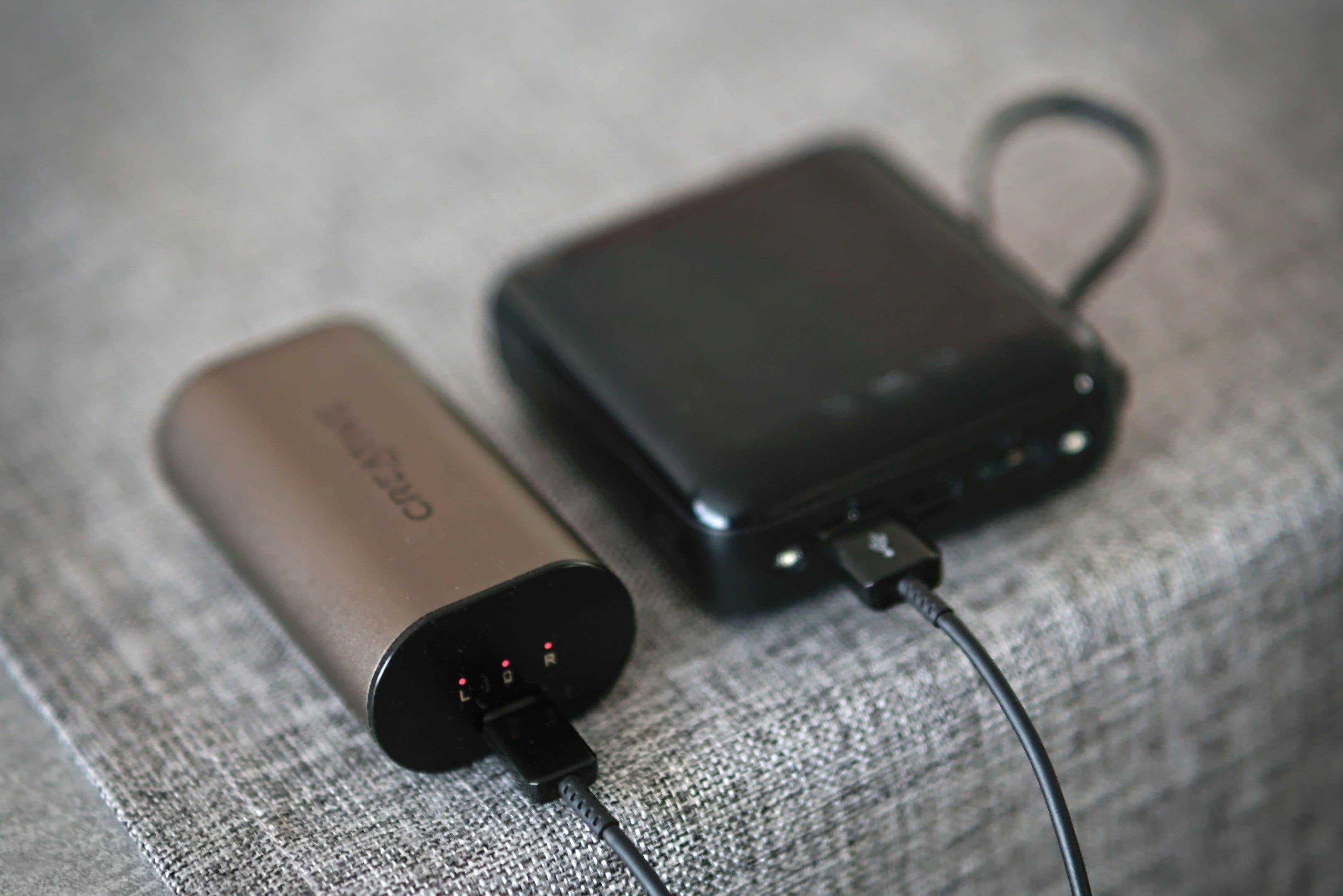
5. Power Bank 20,000 mAh
- Anker PowerCore: $50
- Dead phone = lost/unsafe → Buy on Amazon
6. Travel Insurance
- SafetyWing: $42/month
- Medical, theft, emergency evacuation → Buy SafetyWing
7. Crossbody Bag (for daily use)
- Pacsafe anti-theft bag: $80
- Slash-proof, lockable, wear in front → Buy on Amazon
TOTAL: ~$369 (but most you'll use for years of travel)
Budget Alternative: $100
- Basic backpack ($50)
- Simple money belt ($10)
- Padlock ($10)
- Cheap power bank ($20)
- Regular crossbody bag ($10)
VIETNAM EMERGENCY CONTACTS (Save NOW)
Screenshot this. Save offline. Hope you never need it.
EMERGENCY SERVICES (FREE FROM ANY PHONE)
📞 Tourist Police: 1900 1388
- English-speaking
- For scams, theft, harassment, emergencies
- Specifically trained for tourists
- Available 24/7
📞 General Police: 113 📞 Ambulance: 115 📞 Fire: 114
WESTERN HOSPITALS (HANOI)
🏥 Hanoi French Hospital
- Phone: +84 24 3577 1100
- Address: 1 Phung Khac Khoan St
- Western standards, English-speaking
- Expensive but good (use insurance)
🏥 Family Medical Practice Hanoi
- Phone: +84 24 3843 0748
- Address: 298 Kim Ma St
- International clinic
- Emergency 24/7
WESTERN HOSPITALS (HO CHI MINH CITY)
🏥 Family Medical Practice HCMC
- Phone: +84 28 3822 7848
- Address: Diamond Plaza, 34 Le Duan
- International standards
- English-speaking
🏥 Columbia Asia Saigon
- Phone: +84 28 3823 8888
- Address: 8 Alexandre de Rhodes St, District 1
- International hospital
- Emergency 24/7
EMBASSIES (HANOI)
🏛️ US Embassy
- Phone: +84 24 3850 5000
- Emergency: +84 24 3850 5000 (24/7)
- Address: 170 Ngoc Khanh, Ba Dinh
🏛️ UK Embassy
- Phone: +84 24 3936 0500
- Emergency: +84 91 220 0695
- Address: 29th Floor, Central Building, 31 Hai Ba Trung
🏛️ Canadian Embassy
- Phone: +84 24 3734 5000
- Emergency: +1 613 996 8885 (Ottawa collect)
- Address: 31 Hung Vuong, Ba Dinh
🏛️ Australian Embassy
- Phone: +84 24 3774 0100
- Emergency: +61 2 6261 3305 (Canberra collect)
- Address: 8 Dao Tan, Ba Dinh
YOUR PERSONAL CONTACTS
Fill these in before you go:
Travel Insurance 24/7:
- Company: ________________
- Phone: ________________
- Policy #: ________________
Your Bank (Lost/Stolen Cards):
- Phone: ________________
Emergency Contact at Home:
- Name: ________________
- Phone: ________________
Your Hostel:
- Name: ________________
- Address: ________________
- Phone: ________________
WHAT TO DO IN EMERGENCY
If Sick:
- Call travel insurance FIRST (they direct you)
- Western hospital (list above)
- They handle payment with insurance
If Injured:
- Ambulance (115) or taxi to hospital
- Call insurance immediately
- Embassy if serious
If Robbed:
- Police (113) for report
- Tourist police (1900 1388) for help
- Embassy if passport stolen
- Insurance for reimbursement
If Harassed/Assault
- Get to safe place
- Tourist police (1900 1388)
- Embassy for support
- Your hostel for help
If Scammed:
- Tourist police (1900 1388)
- Probably won't get money back
- Report to warn others
SAVE THIS INFO OFFLINE:
- Screenshot this box
- Write in the notebook.
- Email to yourself
- Share with family/friend at home
Hope you never need it. But be prepared. 🚨
Safety Mistakes I Made (Learn From Me)
Mistake 1: Ignored Gut Instinct
"Taxi driver at the airport seemed off. Insisted on 'special price.' I got in anyway (tired, just wanted to get to the hostel). He took the 'scenic route' and charged 3x the normal price. Should have walked away, called Grab. Lesson: Trust your gut ALWAYS."
Mistake 2: Phone on Cafe Table Street-Side
"Sitting at a cafe in HCMC, phone on the table near street. Local woman urgently motioned to move the phone. I didn't understand. Two minutes later, saw motorbike grab tourist's phone from table 20 feet away. THAT'S what she was warning me about. Now I ALWAYS sit away from street, keep phone in bag."
Mistake 3: Didn't Research Motorbike Danger
"Everyone said 'rent motorbike in Vietnam!' Almost did. Friend convinced me to try. Literally 30 seconds on bike in Hanoi traffic, realized I would 100% crash. Returned bike, lost deposit ($20), saved myself ER visit. Research BEFORE doing dangerous things, not after."
Mistake 4: Drank Too Much at Hostel Party
"Hanoi hostel pub crawl. Free shots. Drank way too much. Vague memory of getting back to hostel. Could have been robbed, lost, hurt. Woke up safe (lucky). Never again. Moderate alcohol = stay in control = stay safe."
Mistake 5: Walked Dark Street Alone Midnight
"HCMC, took wrong turn, ended up dark empty street late night. Felt immediately wrong. Heard footsteps behind me. Turned around, guy following. Panic. Ran into still-open restaurant, guy walked past. Could have avoided by: (a) using Grab, or (b) staying on main lit streets. Lucky it ended okay."
Reader Safety Stories (From Solo Female Travelers)
POSITIVE EXPERIENCES (Majority):
Sarah, 28, UK:
"Traveled Vietnam 4 weeks solo. Felt safer than London. One time got lost at night in Hanoi, elderly Vietnamese couple walked me 15 minutes to my hostel. Refused money. Just wanted to help. That was Vietnam for me—locals looking out for tourists."
Jessica, 32, USA:
"Was sick in Hoi An (food poisoning). Hostel staff took me to doctor, paid upfront, helped me get medicine, checked on me hourly. Their kindness made me cry. Vietnam felt so safe because people CARED."
Emma, 26, Australia:
"Solo travel Vietnam was easier than I expected. Yes, scams annoying. Yes, traffic scary. But never once felt in danger. Hostel communities were great—always had people to explore with if wanted. Would do it again tomorrow."
CHALLENGING EXPERIENCES (Learn From These):
Rachel, 29, Canada:
"Rented motorbike in Da Nang. Crashed Day 2 (gravel turn). Broke wrist, road rash. Hospital bill $1,800, insurance didn't cover (excluded motorbikes). Worst decision of trip. Don't rent unless you're EXPERIENCED rider."
Megan, 27, USA:
"Guy at Bui Vien bar seemed nice, offered to show me 'real HCMC.' Red flags ignored. Took me to isolated area, got aggressive when I refused to go further. Screamed, locals came, he left. I was LUCKY. Don't go alone with strangers, doesn't matter how nice they seem."
Sophie, 30, UK:
"Bag snatched by motorbike in HCMC. Phone, wallet, cards gone. I was holding bag loosely on street-side. Lesson learned: cross-body bag in FRONT, away from street. Vietnamese police helpful filing report for insurance. Got everything reimbursed, but ruined 2 days of trip dealing with it."
BIGGEST SAFETY MYTH: "Vietnam is Dangerous."
What People Warned Me:
❌ "You'll get robbed!"
❌ "Solo women get attacked!"
❌ "The scams are out of control!"
❌ "You can't trust anyone!"
❌ "Don't go alone, it's too dangerous!"
What Actually Happened (2+ Months Solo):
Violent Crime: 0 incidents Robbery: 0 incidents Assault: 0 incidents Genuine fear for safety: 0 times
Annoying But Not Dangerous:
- Scammed: 3 times (lost total $30—taxi overcharges)
- Harassed: 5-10 times (comments, staring—uncomfortable but never physical)
- Aggressive vendors: Daily (annoying, not threatening)
Actually Dangerous:
- Nearly hit by motorbike: 2 times (crossing street)
- Friend crashed motorbike: 1 time (this is the REAL risk)
Reality Check:
- Violent crime rate Vietnam: 0.6 per 100,000
- Violent crime rate in the USA: 4.7 per 100,000
- Violent crime rate in the UK: 2.0 per 100,000
Vietnam is statistically safer than most Western countries.
What People DON'T Warn You About:
✅ How HELPFUL locals are
✅ How PROTECTED you feel as tourist
✅ How SAFE you feel at night
✅ How EASY it is to make friends (you're never alone)
✅ How EMPOWERED you'll feel after
The Real "Danger":
You'll fall in love with Vietnam and want to return. That's the actual risk. 😊
My Family's Reaction:
Before the trip: "We're so worried! Text us every day! Be careful! Maybe don't go alone..."
After the trip: "You seemed... safer there than at home?"
Me: "I WAS safer there."
Don't Believe the Hype:
Fear-mongering about Vietnam safety is outdated, exaggerated, and often rooted in Western biases.
Is Vietnam perfect? No. Will you encounter annoyances? Yes. Is it DANGEROUS? No.
Vietnam is one of the safest solo female travel destinations in the world.
The myth that it's dangerous stops women from incredible experiences.
Don't let it stop you.
FAQs About Vietnam Safety
Your Safe Vietnam Adventure Awaits
✓ Vietnam is SAFE for solo female travelers (8/10 rating)
✓ Safer than most Western cities for violent crime
✓ Real dangers: Traffic (if rent motorbike), food illness (manageable)
✓ Common annoyances: Scams, aggressive vendors, harassment (uncomfortable, not dangerous)
✓ Most "scary" things are actually safe with awareness
✓ Millions of women travel Vietnam solo safely
✓ Vietnamese culture protective toward tourists
✓ Safety strategies: Grab app, cross-body bag, trust your gut, moderate alcohol
✓ Emergency contacts: Tourist Police 1900 1388, Embassy
✓ Essential gear: Travel insurance ($42/month), padlock, money belt, power bank
✓ City safety: Hanoi 8/10, HCMC 8.5/10, Hoi An 9/10
✓ Don't let fear stop you—Vietnam is incredible and manageable
✓ You're more capable than you think
✓ Trust yourself, stay aware, enjoy Vietnam!
Plan Your 2026 Southeast Asia Adventures with Confidence ✈️
Get my FREE 52-page Travel Planner Bundle — the exact system I use to organize stress-free solo trips across Southeast Asia. Track budgets, create daily itineraries, manage accommodations, and journal your memories all in one beautiful PDF.
- ✓Full 2026 calendar + monthly trip planning pages
- ✓Budget trackers & expense sheets (perfect for SEA pricing)
- ✓Daily itinerary planners, packing lists & safety checklists
- ✓Travel journal pages to capture every incredible moment
🔒 Your email is safe with me. No spam, just travel tips + occasional freebies. Unsubscribe anytime.
Vietnam isn't just safe—it's transformative.
The challenges you'll face (crossing streets, dealing with scams, navigating language barriers) will make you stronger, more confident, and more capable.
I arrived in Vietnam scared. I left feeling unstoppable.
That's what solo travel does. That's what Vietnam does.
Your adventure starts now. 🇻🇳✨